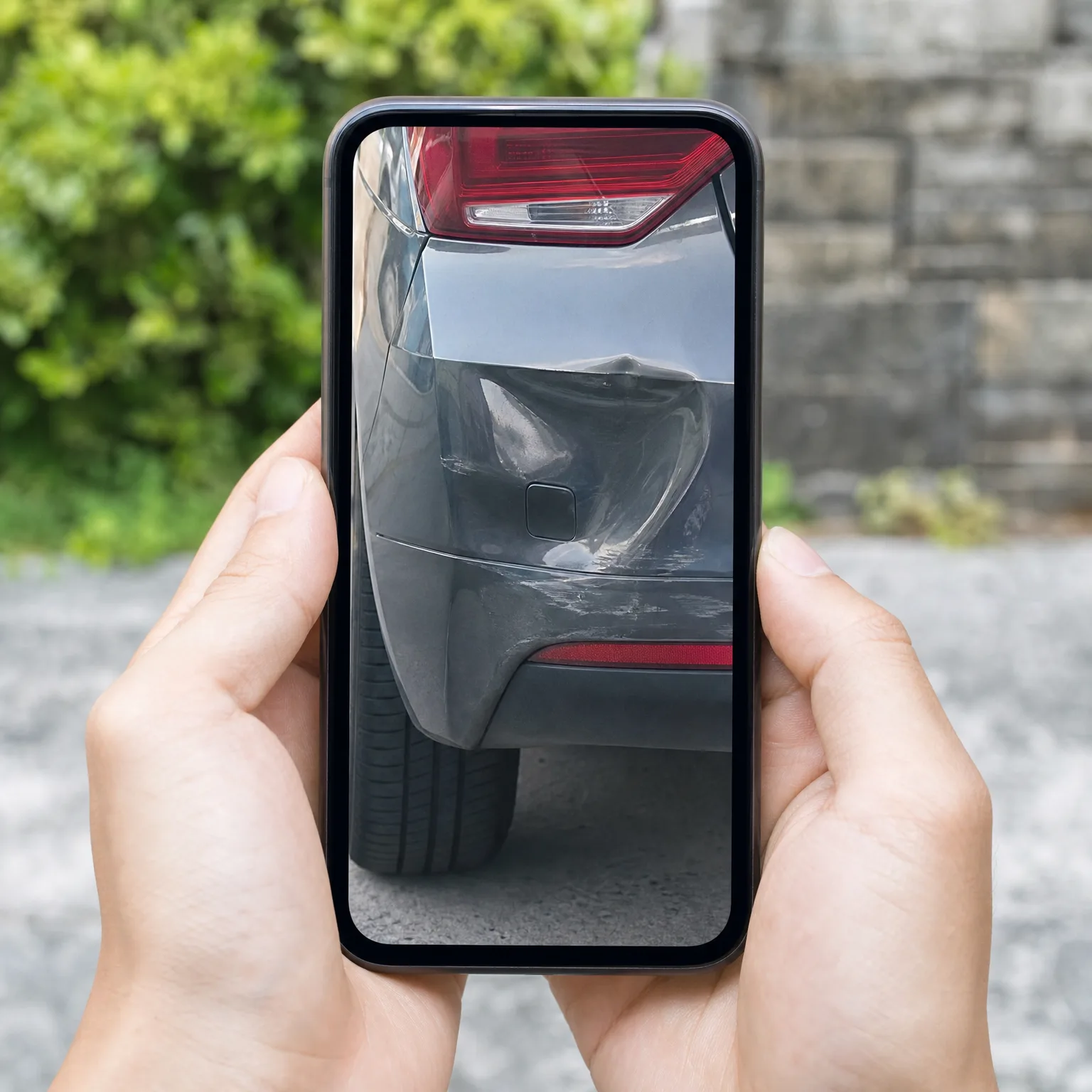
What Insurance Allows Me to Drive Other People Cars
Most of the time, it's your own insurance that follows you into someone else's car, not theirs.
Your policy usually travels with you, even behind someone else's wheel
Insurance is built around the driver, not just the car. When you borrow a car with the owner's permission, your own liability coverage typically extends to that situation, filling in if the owner's insurance doesn't cover everything. This is called permissive use, and it exists in some form across the industry, though exactly how it works depends on the insurer and the state.
The reason this matters so much for you specifically is that you don't have years of driving history backing you up yet. Insurers price risk partly on experience, and without a record, you look like an unknown to them. That's true whether you're driving your own car or someone else's. So the car's insurance and your insurance both come into play, and usually the owner's policy pays first, with yours acting as backup if costs go beyond what their policy covers.
There are situations where this breaks down. If you drive the car regularly, some insurers expect that car to be listed on a policy with you as a driver, and they may deny a claim if it looks like you were using it as your own without saying so. If you weren't given permission, or you're excluded by name from the owner's policy, none of this protection applies. And some policies limit permissive use to occasional situations, not daily borrowing.
This is also why building your own driving record matters even if you don't own a car yet. Being listed as an occasional driver on a parent's or partner's policy, or getting a policy of your own, starts that history. Once insurers can see you driving without incidents, the cost of insuring you anywhere starts to come down.
Do I need my own insurance if I don't own a car yet?
Often yes, even without owning a car. If you're regularly driving someone else's vehicle, being added to their policy as a listed driver is usually the cleanest way to be covered, and it starts building your driving history.
If you only drive occasionally, a non-owner policy is worth looking into. It's built for people in exactly your position, providing liability coverage when you drive a car that isn't yours, without insuring any specific vehicle. It also creates a record insurers can see later, which matters a lot when you eventually buy a car and shop for your own full policy.
Once you know whether you need your own coverage or just to be listed on theirs, compare quotes built for new drivers.
What actually determines whether you're covered
- Permission to drive You need the owner's actual permission, not just access to the keys. Always confirm out loud, even with family, so there's no question later.
- Being listed as a driver If you drive a particular car often, the owner's insurer may expect you listed on that policy. Ask the owner to check with their insurer if this is becoming a regular thing.
- A non-owner policy This covers you as a driver across different cars you don't own, useful if you borrow cars occasionally. It also starts your own driving record.
- State rules on permissive use How far permissive use coverage goes differs by state and insurer. Ask directly what counts as occasional versus regular use before assuming you're covered.
- Building your own history Every month you drive without an incident makes you look less risky to insurers. Start that record now, even before you own a car, so your first real policy costs less.
You don't need to own a car to start building the record that makes insurance affordable later.
Does my insurance cover me if I crash someone else's car?
Yes, in most cases your liability coverage applies if you had permission to drive the car. The owner's policy usually pays first for damage to their car or others, and your policy can cover costs beyond that. Check your policy's liability limits, since a thin limit may leave a gap. If you're excluded by name from the owner's policy or didn't have permission, this protection disappears.
Will driving someone else's car raise my own insurance rates?
Not from the act of borrowing itself, only if there's a claim involved. One accident while driving a borrowed car can affect your record the same way an accident in your own car would. If nothing goes wrong, there's no effect on your rates. What matters most is whether a claim gets filed and under whose policy it's reported.
Can I be added to a family member's policy without owning a car?
Yes, and it's one of the most common ways new drivers start building a record. You're listed as an occasional or secondary driver on their policy, which gives you coverage when you drive their car and creates a history insurers can see. When you eventually get your own car, that history usually brings your own quote down.