
What Is Better Actual Cash Value or Replacement Cost
Replacement cost is better in almost every case because it pays to repair or replace your property without subtracting for age or wear.
What separates the two and why it matters to you
- How the payout is calculated Actual cash value pays the item's depreciated worth, so an older roof or car gets paid out as used, not new. Replacement cost pays what it takes to buy or rebuild the same thing today.
- What it costs you monthly Replacement cost coverage costs more in premium because the insurer takes on more risk. Decide if the extra monthly cost is worth avoiding a large gap later.
- Where each one shows up Home policies often default to replacement cost for the dwelling but actual cash value for contents unless you add coverage. Check your policy declarations page to see which applies to what.
- The gap after a total loss If you're new to owning a car or home, a total loss early on with actual cash value coverage can leave you without enough money to replace what you lost. This matters most when you have little savings as a backup.
- When actual cash value fits If the item is old or you're insuring something you wouldn't replace anyway, actual cash value coverage saves money without much downside. Ask yourself what you'd actually do if you lost it tomorrow.
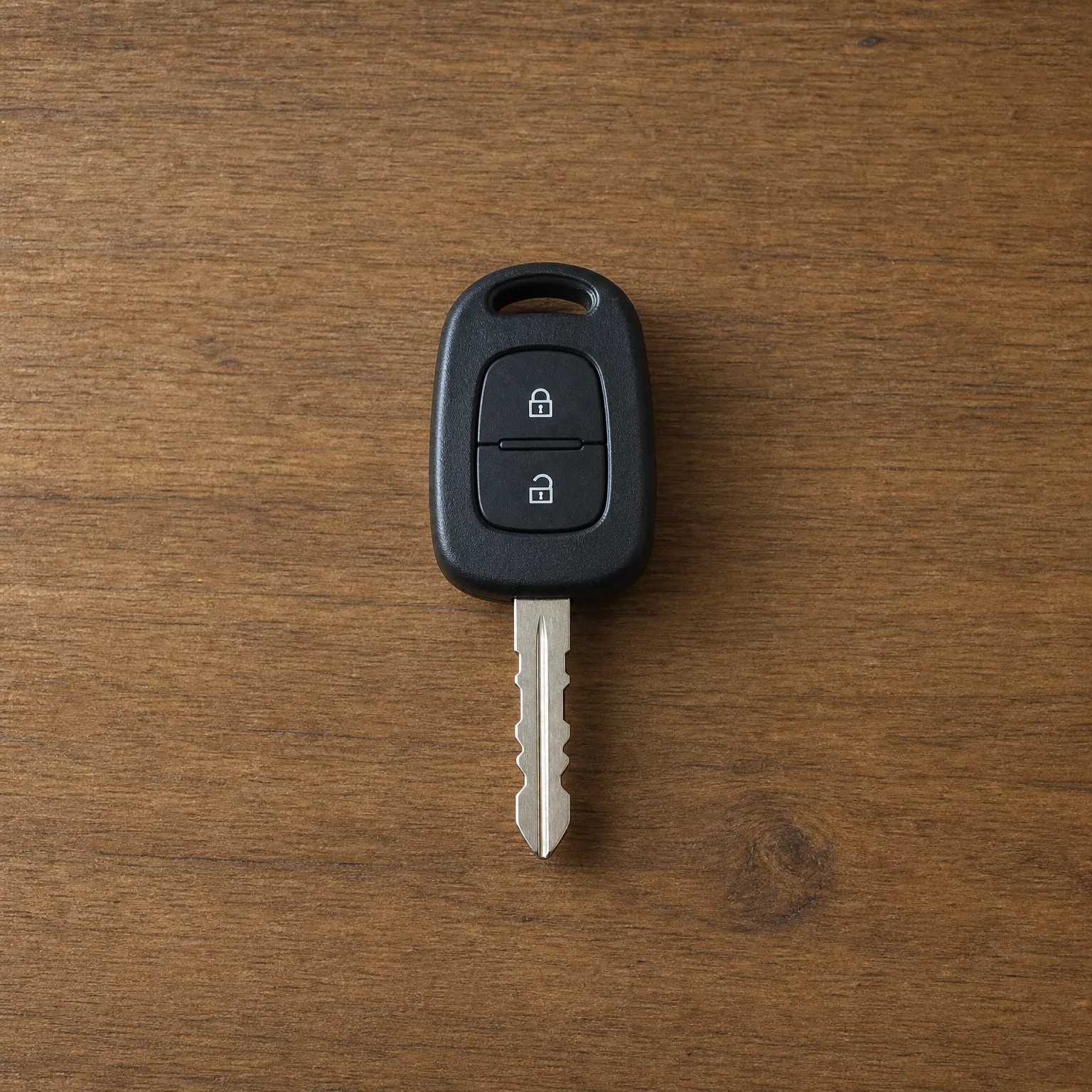
A new driver's car gets totaled in year two
You bought your first car two years ago, financed partly with savings since you didn't have a long credit history yet. You chose actual cash value coverage because it was cheaper and you were still building your driving record and didn't want to overspend on a policy while you were new to all of this.
A tree fell on the car during a storm and it was declared a total loss. The insurer paid out what the car was worth used, accounting for the two years of depreciation. The payout covered less than what you still owed and less than what a similar replacement car cost at the time. You had to add savings to cover the gap, and the experience changed what you chose for the next car. On the replacement policy, the payout would have matched what it actually took to replace the car, without the gap.

Choosing replacement cost over actual cash value
If you do
You pay a bit more each month, but if your car or home items are damaged or stolen, the payout covers what it costs to replace them now. You won't face a gap between what you're paid and what you actually need to spend to get back to where you were.
If you don't
Your premium is lower, but a payout after a loss reflects age and wear, not replacement price. If something older gets totaled or stolen, you may receive far less than it costs to replace it, and you'll need savings or credit to cover the difference.
Now you know which coverage protects you, so compare quotes for replacement cost and see what it adds to your premium.
Can you switch from actual cash value to replacement cost later?
Yes, in most cases you can change this at your next renewal or even mid-policy by calling your insurer and asking to adjust your coverage. It's one of the easier changes to make since it doesn't require new underwriting in most situations.
The tradeoff is timing. If you wait until after something breaks or gets stolen, it's too late for that specific loss. The change only applies going forward. So if you're reading this because you're deciding on a new policy or renewing an old one, that's the moment to make the switch, not after a claim is already filed. Check with your insurer about whether the change affects your premium immediately or at the next billing cycle, since this can vary.
Why insurers depreciate items and when that works against you
Insurance is built around restoring you to where you were before a loss, not giving you a windfall. Actual cash value follows that logic literally. It pays what the item was actually worth at the moment it was lost, which accounts for the fact that an older car or an aging roof isn't worth what it was new. From the insurer's perspective, this feels fair because they aren't paying for improvement, only restoration.
The problem is that restoration and replacement aren't the same thing when the item can't be bought used. You can't buy a slightly worn version of a new roof installation or a specific car trim at a used price that matches depreciation math exactly. So actual cash value often leaves a real gap between the payout and what it costs to actually get back to normal, especially for anyone who doesn't have savings sitting around to cover that gap.
Replacement cost closes that gap by ignoring depreciation and paying what it costs to replace the item now, at current prices. This costs more in premium because the insurer is taking on more exposure, but it matches what most people actually need, which is to be made whole in a practical sense, not a theoretical one.
There are cases where actual cash value makes more sense, mainly when the item is old enough that you wouldn't replace it anyway, or when the cost difference in premium outweighs what you'd realistically lose. If you're newly insured and still building both a driving record and a financial cushion, the case for replacement cost is usually stronger, since you have less room to absorb an unexpected gap.
Does replacement cost coverage have a depreciation holdback?
Yes, many replacement cost policies pay the depreciated value first and release the remaining amount once you actually repair or replace the item. This protects the insurer from paying for something you never replace. Check your policy wording for this holdback clause, since it affects how much cash you have upfront after a loss.
Is replacement cost worth it for an older car?
Usually not, because once a car is old enough its replacement cost and actual cash value are close to the same number. The coverage adds the most value for newer or higher value items that depreciate quickly. Check your car's current value against a new equivalent to see if the gap is worth insuring against.
Does replacement cost cover upgrades or only the same item?
It covers the same kind and quality of item, not an upgrade. If your roof was standard shingles, replacement cost pays for standard shingles again, not a premium material. Check your policy if you want upgraded materials covered, since that usually requires an added endorsement.