
What Is Considered Full Coverage Car Insurance
Full coverage means liability plus collision and comprehensive, so your own car is paid for too, not just the other driver's.

Full coverage is really three coverages working together
- Liability This pays for the other person's car and injuries if you cause an accident. Every state requires some amount, and it alone is not full coverage.
- Collision This pays to fix or replace your own car after a crash, no matter who caused it. Add this if your car would be hard to replace out of pocket.
- Comprehensive This covers your car for things like theft, weather, or hitting an animal. Pair it with collision since insurers usually sell them together.
- Deductible This is the amount you pay before collision or comprehensive kicks in. Choose one you could actually afford to pay the week after a claim.
- Lender requirement If you finance or lease the car, the lender will require collision and comprehensive. Check your loan or lease paperwork to confirm what's mandatory.
Do you actually need full coverage as a new driver?
It depends mostly on the car, not on how new you are to driving. If the car is worth very little, paying for collision and comprehensive might cost more over time than just replacing the car yourself after a bad accident. If the car is financed, newer, or something you could not easily replace, full coverage makes sense regardless of your experience level.
Your lack of driving history affects the price you pay for any coverage, not which coverages you need. A newer driver and an experienced driver with the same car and the same loan should be weighing this decision the same way. Check what your lender requires first, then decide based on the car's value whether comprehensive and collision are worth it beyond that.

Choosing full coverage over liability only
If you do
Your own car gets repaired or replaced after a crash, theft, or weather damage, minus your deductible. This matters most if you couldn't cover a major repair yourself or if a lender requires it. Your premium is higher than liability alone.
If you don't
You're only covered for damage you cause to others. If you crash, hit an object, or your car is stolen, you pay out of pocket entirely. This works if your car is low in value and you could replace it without much trouble.
Now that you know which coverages you actually need, compare quotes to see what full coverage costs for your car.
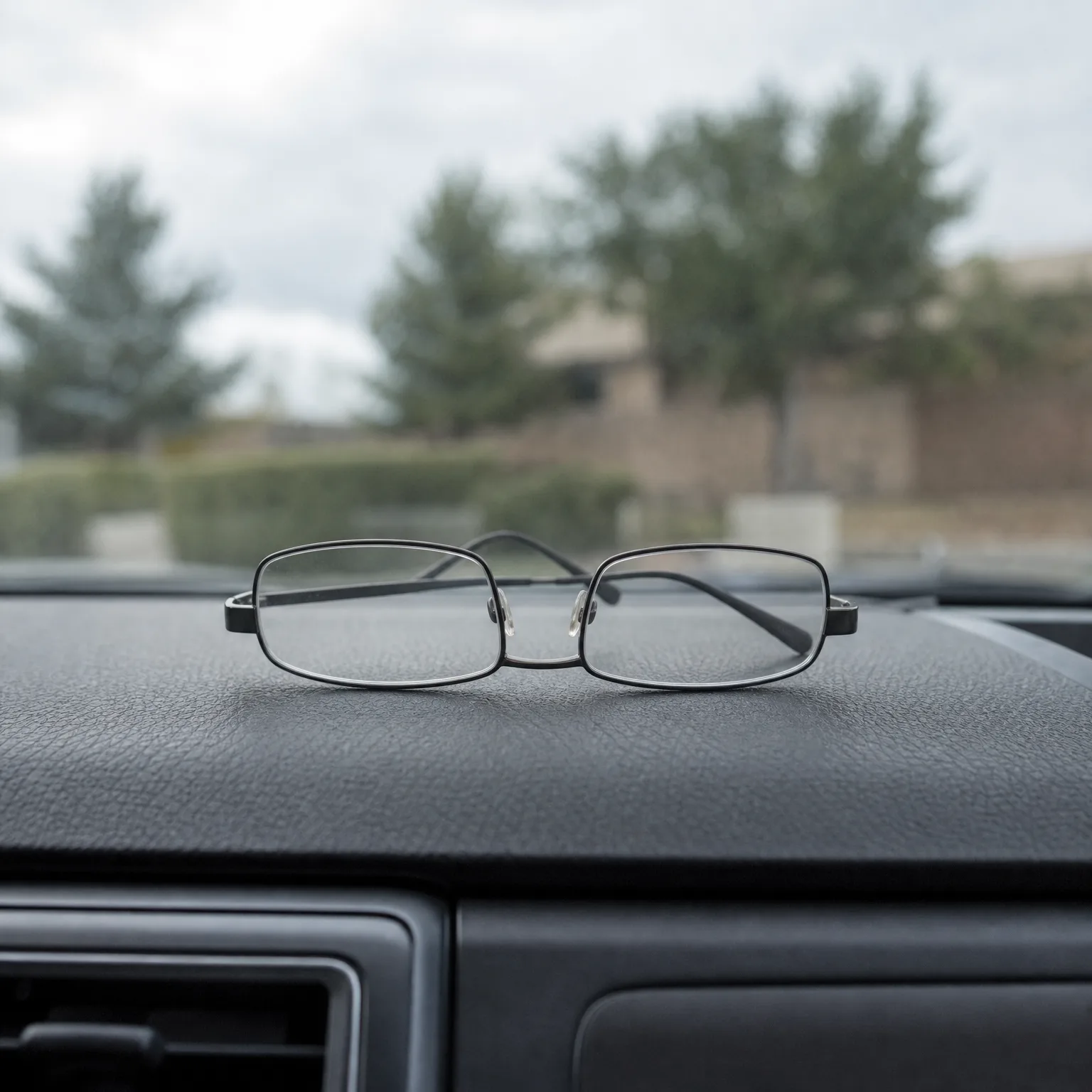
Deciding on coverage for a first car bought used
Say you're thirty-four and just bought a used car to commute to a new job, paying cash so there's no lender involved. You've never carried your own policy before, since you grew up taking trains and never needed to drive. Your first instinct is to buy full coverage because it sounds like the safe, complete choice, especially while you're still new behind the wheel.
But when you look at what the car is actually worth, it's low enough that collision and comprehensive premiums over a couple of years would add up to a meaningful chunk of the car's value. You decide to carry liability at the level your state requires, plus a bit more since you have some savings worth protecting, and skip collision and comprehensive for now. A year later, once you've built a driving record and maybe moved to a more valuable car, you revisit the decision. The choice wasn't about being a new driver. It was about what the car was worth and what you could absorb yourself.
Why coverage is split this way instead of sold as one thing
Insurance is built around who pays for what, and liability exists because every state wants to guarantee that if you hurt someone else or damage their property, there's money to cover it. That's a protection for other people, not for your own car, which is why it's mandatory everywhere while the rest is optional.
Collision and comprehensive exist separately because they protect an asset you own, and insurers treat that as a choice you get to make based on what the asset is worth to you. A car worth very little doesn't justify the ongoing cost of insuring it against its own destruction, since you could simply absorb that loss. A car you financed, or one you couldn't replace without real financial strain, justifies the cost because the alternative is paying for a totaled car and still owing the loan.
This is also why the term full coverage isn't official and isn't the same everywhere. It's a shorthand people use for carrying liability, collision, and comprehensive together, but insurers define their packages differently and some states have additional required coverages layered on top, like coverage for uninsured drivers or medical payments. Check what your state mandates and what your insurer bundles before assuming any package matches what someone else means by the term.
Where it works out differently is mainly around the car's value and your own finances. Someone with significant savings might reasonably skip collision on a mid-value car because they could cover a repair themselves. Someone with little cushion might carry full coverage even on a modest car because they can't risk an unexpected repair bill. The math is personal, even though the categories are universal.
Does full coverage protect me if an uninsured driver hits me?
Not by itself. Liability, collision, and comprehensive don't automatically include protection against uninsured or underinsured drivers, that's typically a separate coverage you add on. Some states require insurers to offer it, and a few require you to carry it. Check your state's rules and ask your insurer directly whether it's included or optional in your policy, since assuming full coverage covers this gap is a common and costly mistake.
Will my rates drop once I have a few years of driving history?
Yes, generally, because insurers price you partly on how much verified experience you have behind the wheel. As you build a record with no claims or violations, insurers see less uncertainty and that typically brings your rate down over time. How much it drops and how quickly varies by insurer, so when you're ready to compare quotes again after a year or two, ask specifically how your driving record affected the new price.
Should I get added to a family member's policy instead of my own?
It depends on your situation, not your age or experience level. Being added to someone else's policy can sometimes cost less than starting your own, especially if they've built a long clean record, but it also ties your coverage to their policy and their choices. Compare the cost and the terms of both options directly, and check whether the car you're driving is actually eligible to be covered under their policy at all.