What Is Considered Permissive Use
If you hand someone your keys and say yes, your insurance generally follows the car and covers them while they drive it.
Lending your car to a friend for the weekend
Say you just got your license at thirty-six and bought a car. A friend asks to borrow it for a weekend trip while their own car is in the shop. You say yes, hand over the keys, and don't think much more about it. That friend is now a permissive user. If they get into an accident, your policy responds first, the same as if you had been driving.
This matters because you're new to having a policy of your own and you might not know that lending the car carries real weight. Before handing over the keys, you check your policy for anything about who can drive the car and whether there is a list of excluded drivers. You also talk to your friend about what happened, so if a mistake happens, you're not getting the story secondhand from a claims adjuster. The weekend goes fine, nothing happens, but now you know that saying yes to someone driving your car means saying yes to real consequences, and you decide to be more deliberate about who you lend it to going forward.
The short version
Permissive use means your insurance covers someone you allowed to drive your car, even if they're not named on your policy. The coverage follows the car, not the driver. Before lending your car, check your policy for excluded drivers or frequency limits on permissive use.
Does letting someone borrow my car raise my rates?
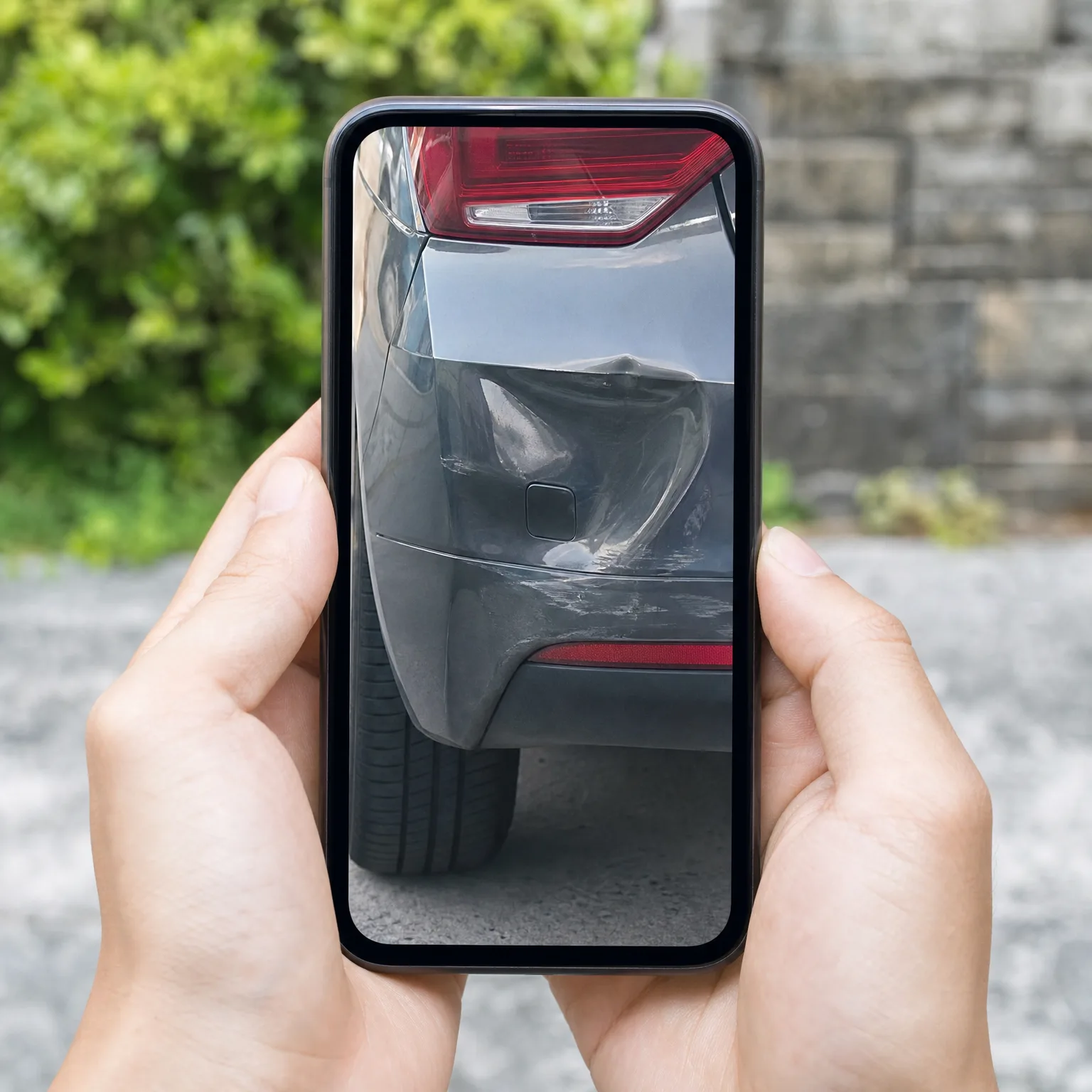
It can, but only if they cause an accident while driving your car with your permission. The claim goes against your policy because you're the owner, not because the other person was driving. Your insurer doesn't usually know who was behind the wheel unless a claim is filed.
If your friend or relative borrows your car occasionally and nothing happens, your rates stay the same. The risk only becomes real the moment there's a claim. This is why some new drivers hesitate to lend their cars out at all while they're still building a clean record, since a single accident involving someone else behind the wheel still counts as a mark against your own history.
Now that you know who's covered driving your car, compare quotes to find a policy that fits how you share it.

Whether you say yes before someone drives your car
If you do
You confirm they're not excluded on your policy, you know your coverage limits, and you tell them to drive carefully since any accident affects your record. If something goes wrong, your policy handles it as if you were driving, and you deal with the claim as the owner.
If you don't
Someone drives your car without your knowledge or against your wishes, and your insurer may deny the claim entirely. The driver could be personally liable, and you could be left without coverage for damage to your own car or to anyone else involved.
What decides whether someone's covered driving your car
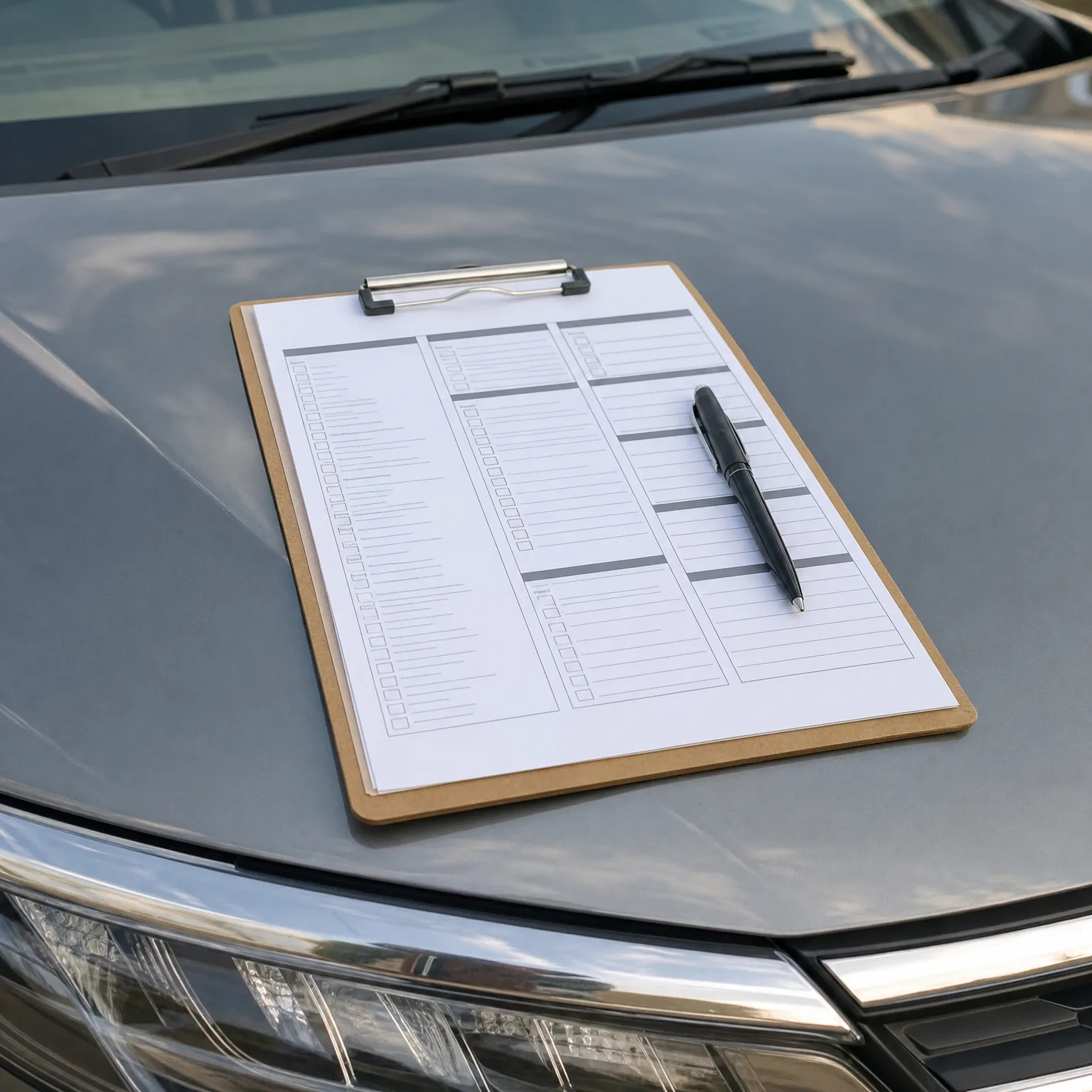
- You gave permission If you said yes, even casually, that person is typically covered under your policy. Be clear about who you're allowing to drive and for how long.
- Excluded driver lists Some policies name people who are never covered, regardless of permission. Check your declarations page for any excluded driver before lending your car.
- Regular versus occasional use A one-time loan is treated differently than someone borrowing your car every week. If someone drives it often, tell your insurer so they can be added properly.
- State and insurer rules differ How broadly permissive use applies varies by state and by insurer. Ask your insurer directly what their policy says about unnamed drivers.
- Your policy pays first When a permissive user causes an accident, your insurance is usually the primary coverage. Know your limits before you hand over the keys.
Why insurance follows the car instead of the driver
Auto insurance is built around the vehicle as the insured object, not just the person who owns it. This is why, when you let someone drive your car with your permission, your policy typically extends to cover that use. The logic is that you control who gets access to your car, so the responsibility for that access sits with you and your policy.
This breaks down in a few predictable places. If someone takes your car without asking, permissive use doesn't apply because there was no permission given. If someone is named as an excluded driver on your policy, your insurer has already decided in writing that they are never covered, no matter what you say in the moment. And if someone drives your car so often that it starts to look like regular use rather than an occasional favor, insurers may expect that person to be listed as a driver on the policy instead of relying on permissive use.
For someone newly licensed, this matters in both directions. If you're borrowing a car from a parent or partner while you build your own driving record, you're likely covered as a permissive user under their policy already, which is often how new drivers get practice without buying their own coverage right away. But if you're the one lending out your car, you're taking on the risk of someone else's driving decisions, which is a different kind of exposure than simply driving yourself.
The variation across states and insurers is real, so this isn't something to assume. Some insurers interpret permissive use broadly, others attach more conditions. The only way to know exactly where you stand is to read your declarations page or call your insurer and ask plainly who is and isn't covered when they drive your car.