What Is Liability Insurance
Liability insurance pays for the other driver's car and injuries when the crash is your fault, not your own.
It exists to protect other people from your mistakes
Liability insurance is built around a simple idea. When you cause a crash, someone else ends up with a damaged car or an injury they didn't ask for, and the law says you owe them for it. Liability coverage is what pays that debt instead of it coming straight out of your pocket. It has two sides, one for the other car and property, one for the other person's medical bills and related costs, and most states require you to carry both at some minimum level.
The part people miss is that liability does nothing for you. It doesn't pay to fix your own car and it doesn't cover your own injuries. That's a separate kind of coverage, usually collision and medical or injury protection, and you choose it separately. If you're new to insurance entirely, this split surprises a lot of people, because "car insurance" sounds like one thing and it's really several coverages bundled together.
How much liability you're required to carry depends on your state, and some states also require you to carry a bit extra in case the other driver has no insurance of their own. The right amount above that minimum depends on what you actually own and what a bad crash could cost you, since you're personally on the hook for anything a judgment asks for beyond what your policy pays. A newer driver with few assets faces different stakes here than someone with a house and savings, and it's worth thinking about which one describes you.
Where this gets practical for you is that insurers price liability based on risk, and with no driving history yet, you look like an unknown risk rather than a bad one. That's different from being judged reckless. As you build a record of claim-free driving over time, that unknown turns into a track record, and the price reflects it.
What liability actually covers
- Other car's repairs If you cause a crash, this pays to fix the other vehicle. It does not touch your own car's damage, which needs separate coverage.
- Other person's injuries This covers their medical costs if you're at fault. Check your state's required minimum and whether it's enough to protect your savings.
- Your legal defense If you're sued over the crash, liability coverage pays for your defense. This matters more the more you own.
- Minimum required by law Every state sets a required minimum you must carry to drive legally. Check your state's number before assuming a quote meets it.
- No payout to you Liability never pays for your own car or your own injuries. If you want that, add collision and medical coverage on top.

Carrying only the state minimum liability
If you do
You meet the legal requirement and pay the lowest possible premium while you're new to driving. If you cause a bigger crash, you could owe money beyond what the policy pays, since minimums are often lower than real repair or medical costs.
If you don't
You carry higher liability limits and pay a bit more now. In exchange, a serious at-fault crash is far less likely to leave you paying out of pocket for someone else's totaled car or hospital bill.
Now that you know what liability covers and doesn't, compare quotes to find the limits that fit what you own.
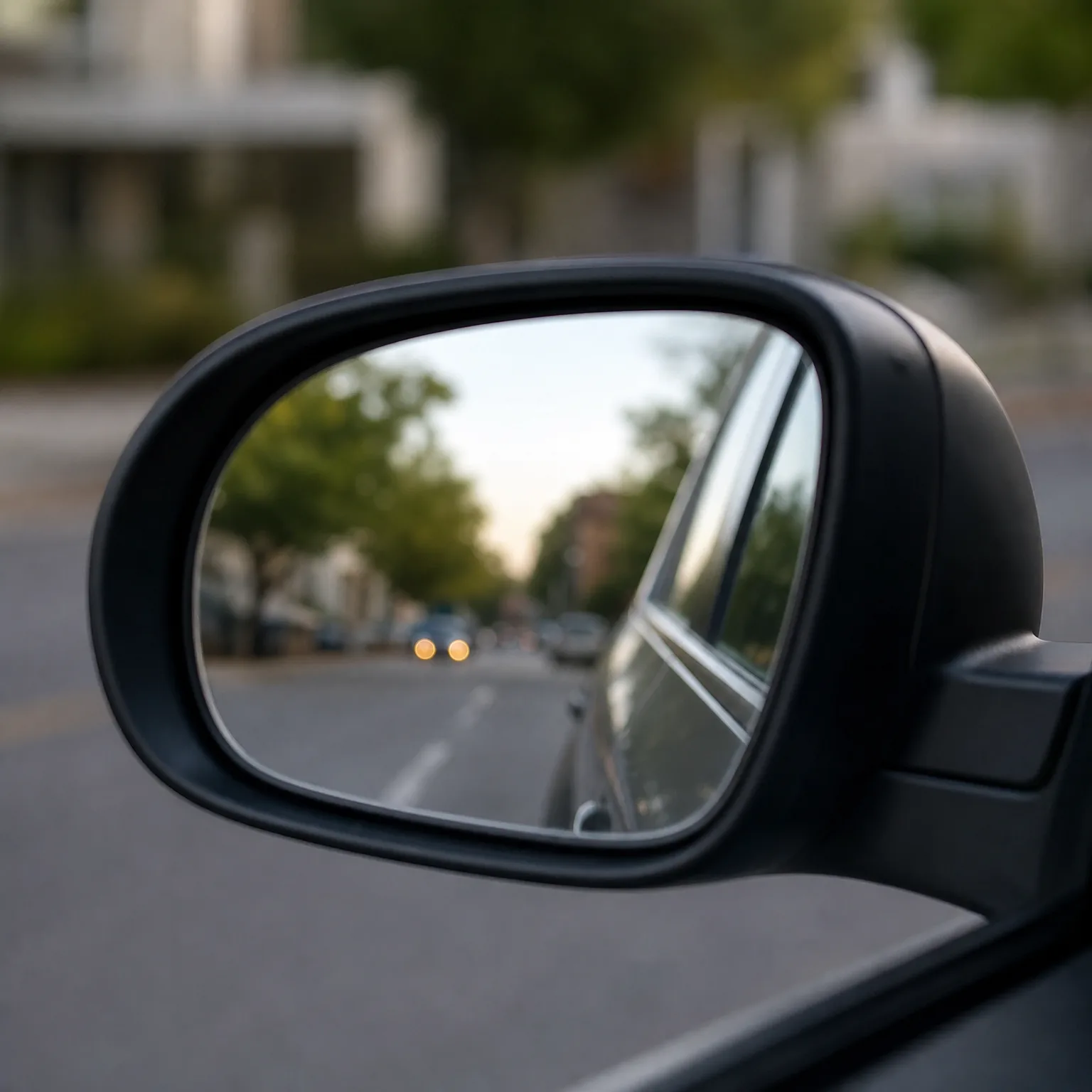
A new driver backs into a parked car in a lot
Say you're newly licensed as an adult and still getting used to judging distances. You back out of a space and clip a parked car, denting its door. Nobody's hurt, but the other car's owner wants it repaired. This is exactly the situation liability insurance is for, and it's why every state requires you to carry it before you drive at all.
You call your insurer, they confirm the damage and your coverage, and the claim gets paid to the other owner, up to your policy's limit. Because you carried a reasonable liability limit rather than the bare state minimum, the full repair gets covered without you owing anything extra. Your own car has no damage, so there's nothing for you to claim on that side. The crash does affect your rates going forward, since you're still building a record, but it doesn't leave you with a surprise bill, and that's the entire point of having carried solid coverage from the start.
How much liability coverage do I actually need as a new driver?
Enough to cover what you own, not just the state minimum. Check your state's required amount, then add more if you have savings, a house, or other assets a lawsuit could reach. With no driving record yet, insurers price you as unknown risk, so raising limits now usually costs less than you'd expect, and it's worth comparing the price difference before deciding.
Does liability insurance cover me if someone else drives my car?
Usually yes, if you gave them permission, since liability typically follows the car, not just the named driver. This varies by insurer, so check your policy's language on permissive use. If someone drives your car regularly, like a partner or roommate, ask whether they need to be added as a listed driver, since that can change both coverage and price.
What happens if I cause a crash and don't have enough liability coverage?
You can be personally responsible for whatever your policy doesn't cover, including through wage garnishment or a lien on property. This is why coverage above the state minimum matters more as you own more. If this is a real risk for you, it's worth asking an agent directly how higher limits affect your premium before you decide.