
What Is Replacement Cost Coverage for Car Insurance
Replacement cost coverage pays to replace your totaled car with a new one of the same model, not its depreciated value.
It exists because cars lose value the moment you own them
Standard car insurance pays what your car was worth right before the accident, not what you paid for it or what a similar new one costs today. That amount is called actual cash value, and it drops fast in the first few years you own a car. If your car is totaled, a regular policy hands you a check based on that depreciated value, which is often thousands less than what it would take to buy the same car again.
Replacement cost coverage changes that math. Instead of paying depreciated value, it pays to replace your totaled car with a new one of the same make and model, or in some versions, pays off what you still owe on a loan even if that's more than the car's current worth. It's built for the gap between what a car is worth on paper and what it actually costs to replace.
This coverage usually only applies to newer cars, often ones bought within the last couple of years, since insurers don't want to pay new prices for old cars. It also tends to cost more than standard coverage, because the insurer is taking on a bigger payout if something goes wrong. Whether it's offered at all, what counts as eligible, and how long you can keep it after buying the car all vary by insurer, so check the specifics before assuming it's available to you.
For someone building a driving record from scratch, this matters less for the insurance history question and more for the financial one. If you're financing or leasing a car while you're still a new driver, and new drivers are statistically more likely to be in accidents while they're building experience, the gap between what you owe and what a standard payout covers can be real money. That's the problem this coverage solves, not your record, not your rates, just the size of the check if the worst happens.

What to check before you decide if you need it
- How new the car is Most insurers only offer this coverage on cars bought new or within a short window after that. Ask directly whether your car qualifies.
- Whether you're financing it If you owe more than the car is worth, this coverage can close that gap. If you own the car outright, it matters less.
- The cost difference Ask for a quote with and without it so you can see exactly what it adds to your premium before deciding.
- How long it lasts Some policies only offer this for a limited time after purchase, then switch you to standard coverage automatically. Ask what happens after that window closes.
- What counts as totaled Ask your insurer exactly what threshold makes a car a total loss, since that determines when this coverage actually kicks in.

Once you know whether your car qualifies and what the coverage actually adds, compare quotes with that answer in hand.

A new driver financing a car they just bought
Someone in their thirties gets their first license after a job change requires a daily commute. They finance a car that's a few months old, putting down a small amount and taking a loan for the rest. Because they're new to driving, their insurer flags them as inexperienced and premiums come in higher than they expected. They ask their insurer about replacement cost coverage after reading that it might matter more to them than to someone with an older car.
The insurer confirms the car qualifies since it was bought new and is within the eligibility window. They compare a quote with the coverage against one without it and the difference is noticeable but not dramatic. They decide to add it for the first couple of years while they're still paying off the loan and still building driving experience, since that's the stretch where both the loan balance and the accident risk are highest. Once the car is older and the loan is smaller, they plan to drop it and rely on standard coverage instead.
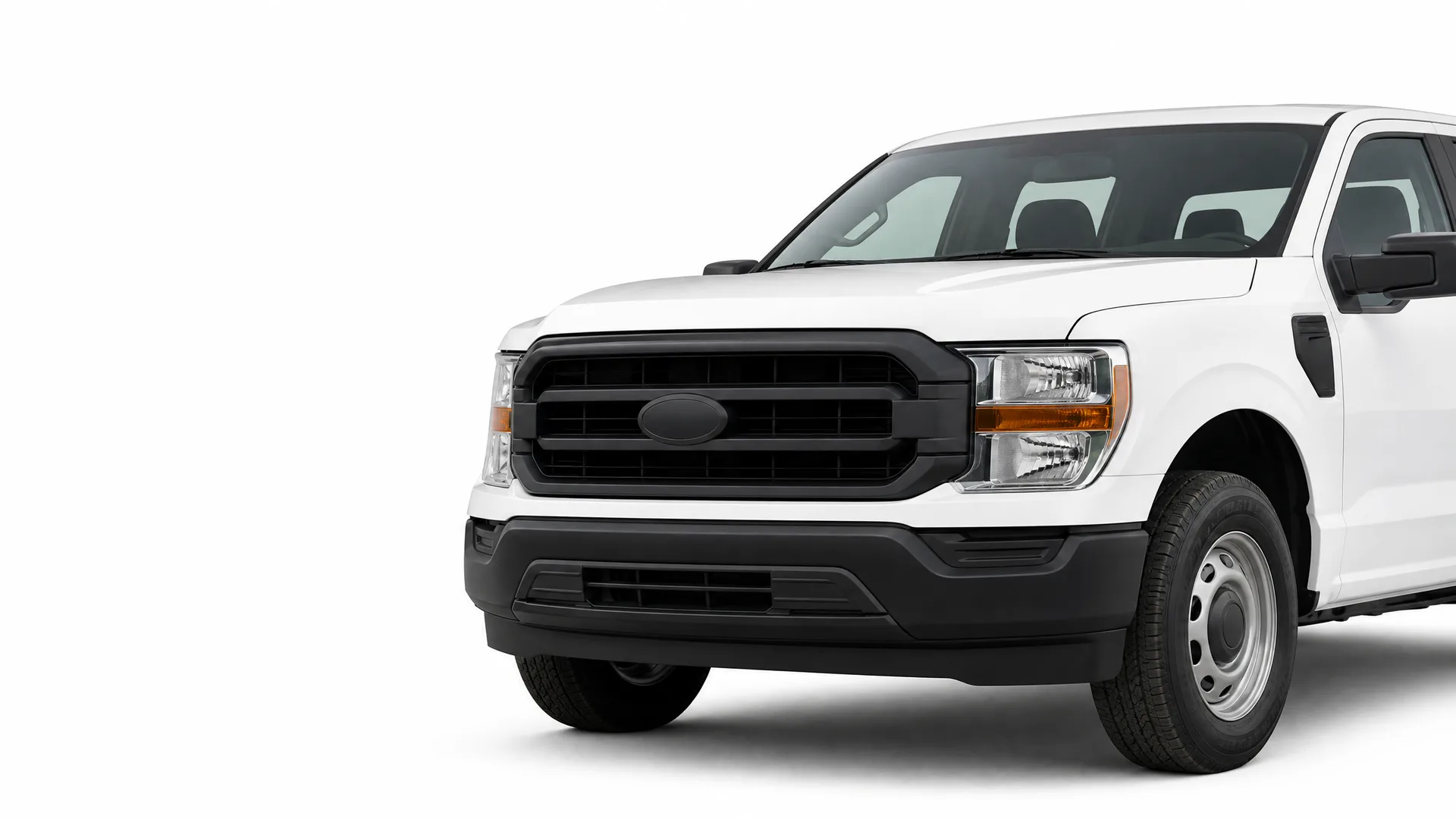
This coverage protects the money you owe on the car, not your record, so decide based on the loan.
Does replacement cost coverage lower my insurance rates as a new driver?
No, it doesn't affect your rates at all. It only changes what you're paid if your car is totaled. Your rates as a new driver depend on your driving record, the car you drive, and where you live, not on whether you carry this coverage. Don't add it expecting a discount, since that's not what it's designed to do.
Is replacement cost coverage the same as gap insurance?
They're similar but not identical, and insurers define them differently, so check the exact terms. Gap insurance typically pays the difference between what you owe on a loan and the car's actual cash value. Replacement cost coverage pays to replace the car with a new one of the same model, which can be a larger amount. Ask your insurer which one they offer and how the payout is calculated before assuming they're interchangeable.
Can I add replacement cost coverage after I already bought the car?
Sometimes, but there's usually a limited window after purchase, so check with your insurer right away. Many insurers require you to add this coverage when the policy starts or within the first few months of ownership. If you wait too long, you may only be offered standard actual cash value coverage instead. If your car is still new, ask now rather than assuming you can add it later.