
What Is the Easiest Way to Shop for Car Insurance
The easiest way to shop is to get your driving record settled first, then compare quotes built on the real picture of you as a driver.
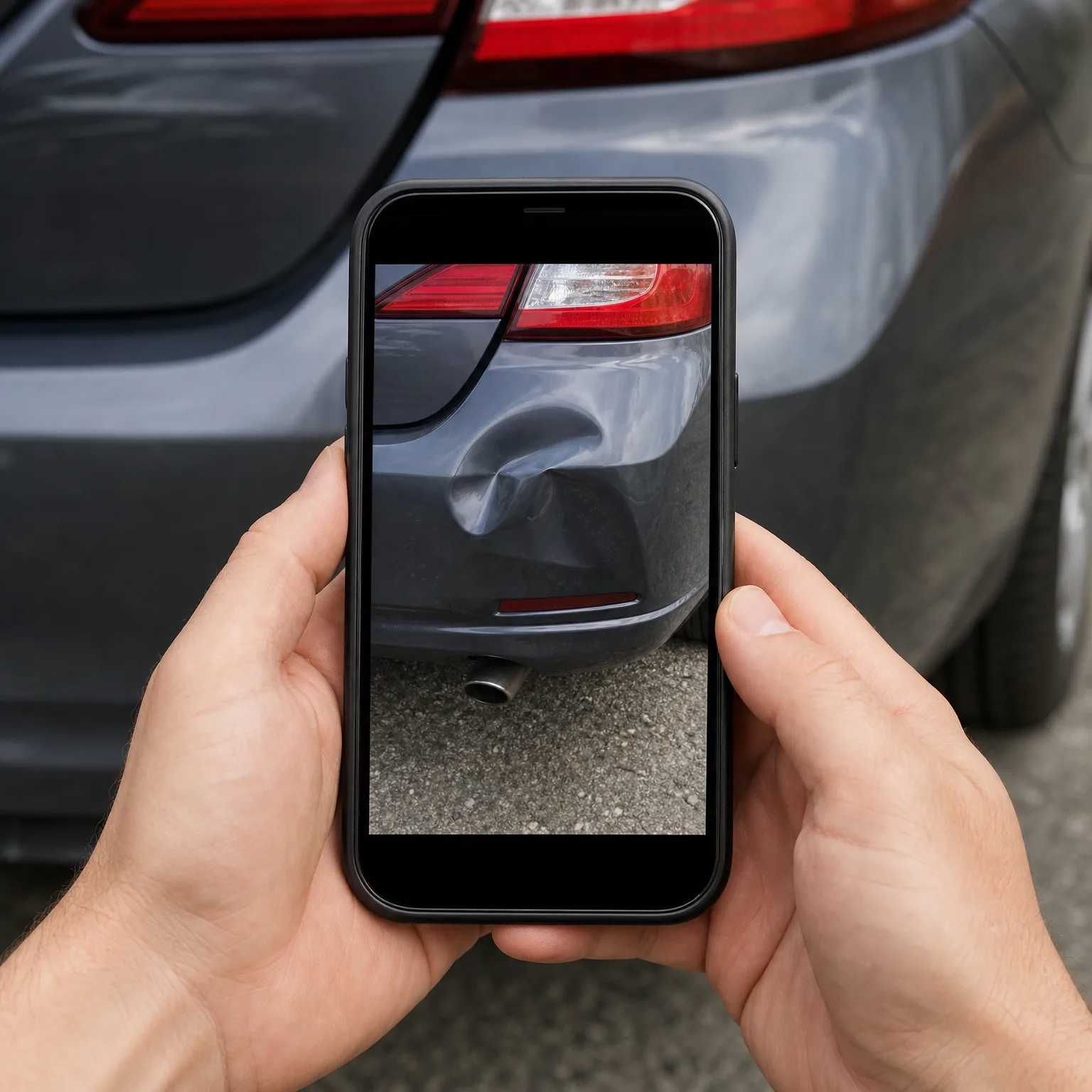
A simple order makes shopping fast and accurate
- Decide whose policy you're on If you'll be added to a parent's or spouse's policy, quotes should reflect that before you shop solo. This changes every number you'll see, so settle it first.
- Gather proof of practice Any supervised driving, driving courses, or time on a learner's permit can count toward your record. Collect dates and documentation now so you can mention them to every insurer.
- Pick the car before you quote The vehicle you'll drive affects the price as much as your history does. Know the make, model and year before you start comparing.
- Ask insurers the same questions Ask how they treat a new driver with no history, and whether completed courses or practice time lower the price. Consistent questions make quotes easy to compare side by side.
- Get quotes close together Spreading quotes out over weeks makes you forget details and compare unevenly. Get them close together in time so the comparison is fair.
A new driver at thirty-eight compares her options
Maria got her license at thirty-eight after years of relying on public transit and rides from her husband. A new job outside the city meant she needed to drive, so she started looking into insurance before she'd even finished the paperwork for her license. She wasn't sure whether to get her own policy or join her husband's, and she didn't know if the driving course she'd taken would matter to anyone.
She decided to be added to her husband's policy first, since he already had years of clean driving history and it brought the household rate down more than a separate policy would have. She called three insurers in the same week, asked each one the same questions about her course and her lack of driving history, and wrote down every answer. Two of the three gave her a lower rate because of the course. She picked the one with the better price and the clearest answers about what would happen if she had a claim in her first year. A year later, with a clean record of her own, she had more options and a lower price when she shopped again.
Compare quotes now that you know whose policy to use and what to ask, so you can see real differences between insurers.
Will my lack of driving history always cost me more?
No. It affects your price only until you build a record of your own, and that record grows every month you drive without an incident. Most of the cost tied to being new behind the wheel fades over time rather than staying fixed.
How fast it fades depends on your driving and on the insurer, since some weigh recent months heavily while others look at longer stretches. Staying with one insurer while you build that record can help, since many reward continuous history with the same company. Switching too often in your first year or two can reset some of that progress, so check how a prospective insurer treats a short but clean record before you move your policy.

Whether to wait until you have a driving record to shop
If you do
You'll likely see higher prices now, since insurers price you as unknown. But you keep flexibility, you can compare insurers freely, and once you build even a few months of clean driving, you'll have real leverage to negotiate a better rate anywhere you go.
If you don't
If you skip shopping now and just take the first offer, you may pay more than necessary from day one. You'll also miss out on insurers who treat courses or supervised practice favorably, since those differences only show up when you compare several quotes.
Do I need my own insurance while I'm still a new driver?
Yes, you need some form of coverage from the moment you're licensed and driving, even informally. Whether that's your own policy or being added to someone else's depends on your situation. Check whether the car you'll drive is already insured under someone else's policy, since that often decides the simplest path. If you'll drive regularly and have your own car, your own policy is usually required.
Does taking a driving course actually lower my insurance price?
Often yes, but not with every insurer. Many treat a completed course as a stand-in for experience, especially for a new driver with no history. Ask each insurer directly, since some only recognize certain kinds of courses or require it to be recent. If one doesn't count it, another might, so this is worth comparing.
What happens to my rate if I have an accident in my first year of driving?
It will likely rise more than it would for an experienced driver, since insurers have less history to balance against one incident. How much depends on the insurer and the state you're in, so check how claims are weighted for new drivers specifically. Some insurers offer forgiveness for a first incident, which is worth asking about before you choose one.