
What Makes a Car Insurance Policy Full Coverage
Full coverage means your policy includes liability plus collision and comprehensive coverage, which together pay for your own car too.
It's a combination, not a single product you buy
Full coverage isn't a legal category or a specific policy type. It's a shorthand people use for a policy that combines liability coverage, which pays for damage and injuries you cause to others, with collision and comprehensive coverage, which pay to repair or replace your own car. Liability alone is often what state law requires. Add the other two and people call it full coverage because it covers you on both sides of an accident.
This matters for you because you're building your coverage from scratch, without a past policy to copy. Someone upgrading from an old policy usually already knows what full coverage looked like for them. You're deciding fresh, which means you get to understand what each piece actually does instead of just matching what you had before.
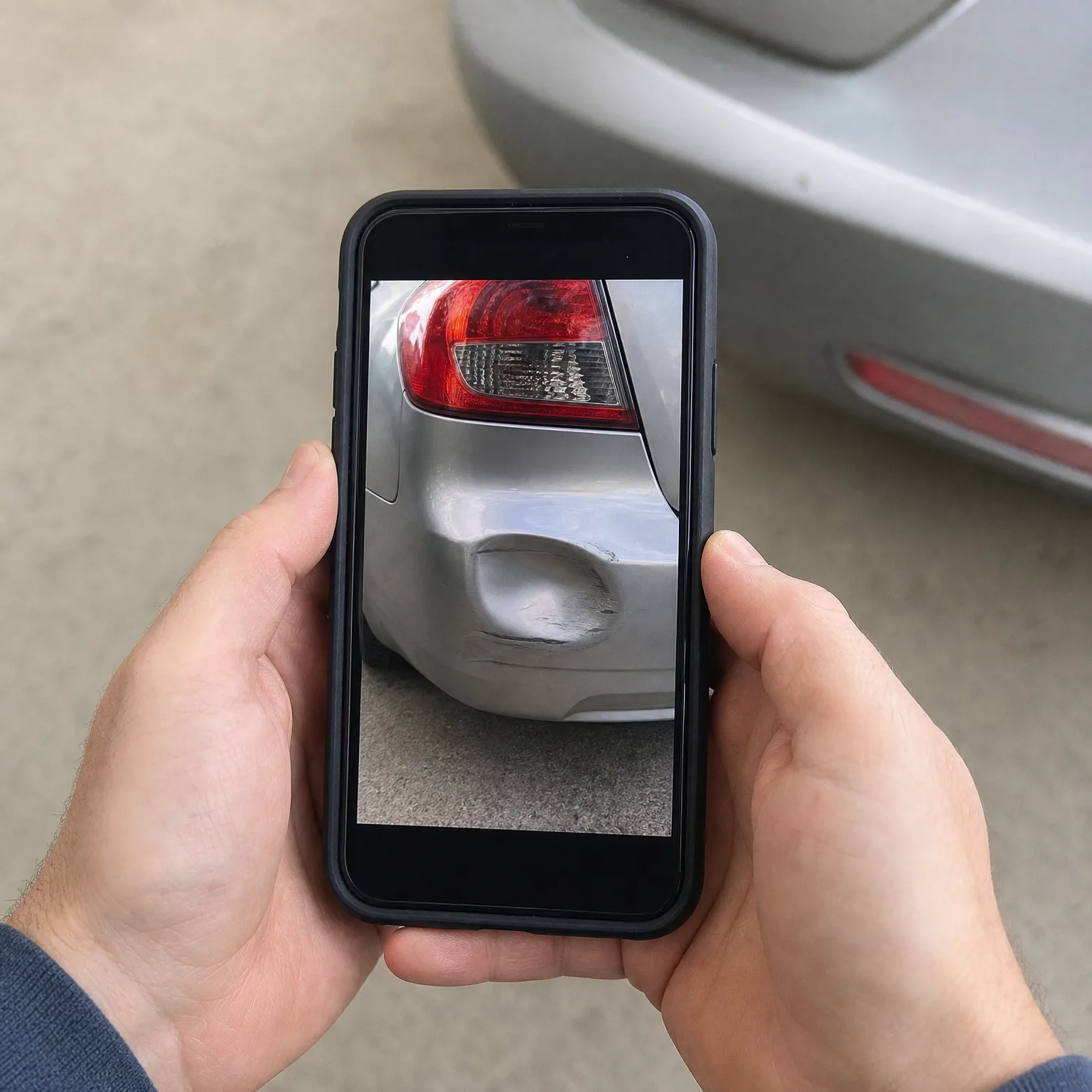
Collision pays when your car hits something or flips, regardless of fault. Comprehensive pays for damage from things other than a collision, like theft, fire, weather or hitting an animal. If you have a loan or lease on the car, the lender almost always requires both, so the decision may already be made for you. If you own the car outright, it's your call whether the car's value justifies paying for that extra coverage.
What counts as full coverage can vary slightly by insurer, some bundle in extra protections like rental reimbursement or roadside help under that label, some don't. Check exactly what's included in any quote that uses the term, because the name alone doesn't guarantee what's inside.
What to check before you call a policy full coverage
- Liability limits This pays for others' damage and injuries if you're at fault. Make sure the limits are high enough that a bad accident wouldn't leave you owing money beyond what the policy pays.
- Collision coverage This pays to fix your car after a crash, no matter who caused it. If your car isn't worth much, weigh the cost of this coverage against what you'd actually get paid out.
- Comprehensive coverage This covers non-crash damage like theft, weather or hitting an animal. It's usually required alongside collision if you're financing the car.
- Deductible amount This is what you pay out of pocket before collision or comprehensive kicks in. A higher deductible lowers your cost now but raises what you'd owe after a claim.
- Extra add-ons Things like rental car coverage or roadside assistance sometimes get bundled into a full coverage label. Ask directly whether these are included or cost extra.

Once you know which coverages you actually need, compare quotes to see what full coverage costs for your car.

Deciding what to carry on a financed car
Say you just bought a car with a loan and you're insuring it for the first time. The lender requires collision and comprehensive, so that part isn't optional, but you still have to choose your deductible and your liability limits. You ask for quotes at a low deductible and a high one, and you look at how much the monthly difference actually saves you.
You also bump your liability limits above the state minimum, because you don't have years of safe driving behind you yet and you'd rather not risk owing money out of pocket if you're found at fault in a serious accident. You land on a policy with collision, comprehensive, and liability limits higher than the minimum, with a moderate deductible you could cover if needed. It costs more than the cheapest option, but it matches what the lender requires and what you're comfortable risking.
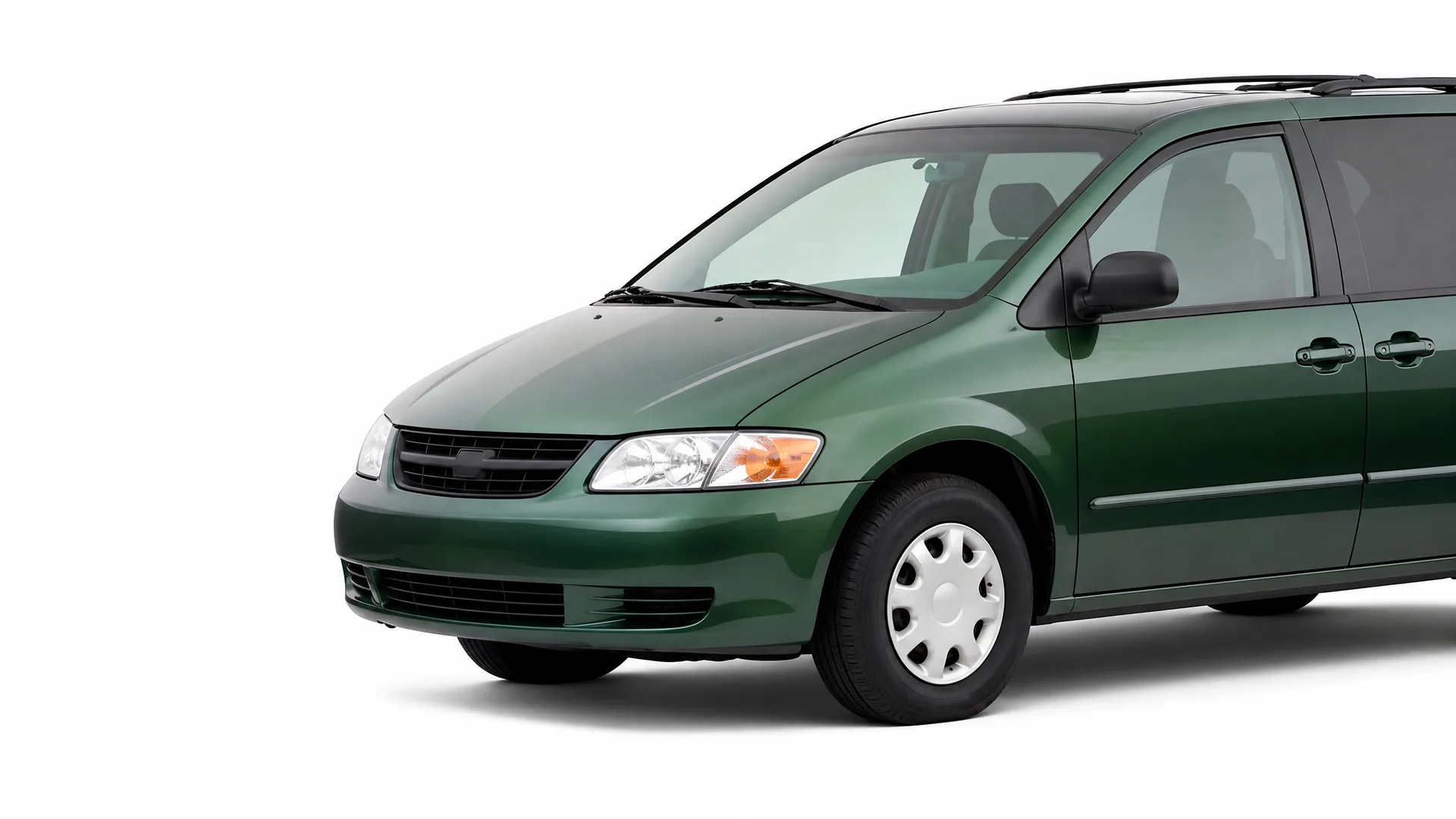
Full coverage is a combination you choose, matched to your car and the risk you can afford.
Do I need full coverage if I'm paying cash for the car?
No, it's not legally required if there's no loan or lease. It becomes a judgment call based on the car's value. If the car is old or low in value, the payout from a claim might be small compared to what you'd pay for collision and comprehensive over time, so some owners choose to carry just liability instead.
How much does full coverage cost compared to just liability?
It costs more, because you're adding coverage for your own car instead of just others'. The gap depends on your car's value, your deductible, and your driving record. The only way to know the real difference for you is to compare quotes with and without collision and comprehensive included.
Can I drop full coverage later once I have more experience?
Yes, if the car is paid off and no longer financed. Many people switch to liability only once the car is older or once they've built enough savings to cover a repair themselves. If there's still a loan or lease, the lender's requirement stays in place regardless of your driving record.