What Makes Car Insurance Cheaper
Your rate drops mainly by proving over time, through a clean record, that you drive the way insurers hope you will.
Price follows proof, and right now you don't have any yet
Insurers price a policy by guessing how likely you are to file a claim. For most drivers, that guess comes from years of history, tickets, accidents, how long they've held a license. You don't have that history yet, so the insurer can't tell whether you're careful or not, and when they can't tell, they charge you as if you might not be.
That's why the record you build from here matters more than almost anything else you can do. Every stretch of time you go without an accident or a ticket is evidence, and insurers lower prices for people who've turned into a known, steady risk instead of an unknown one. This is also why the car, coverage level, and how you pay all move the price, because each one changes how much the insurer stands to lose if something goes wrong.
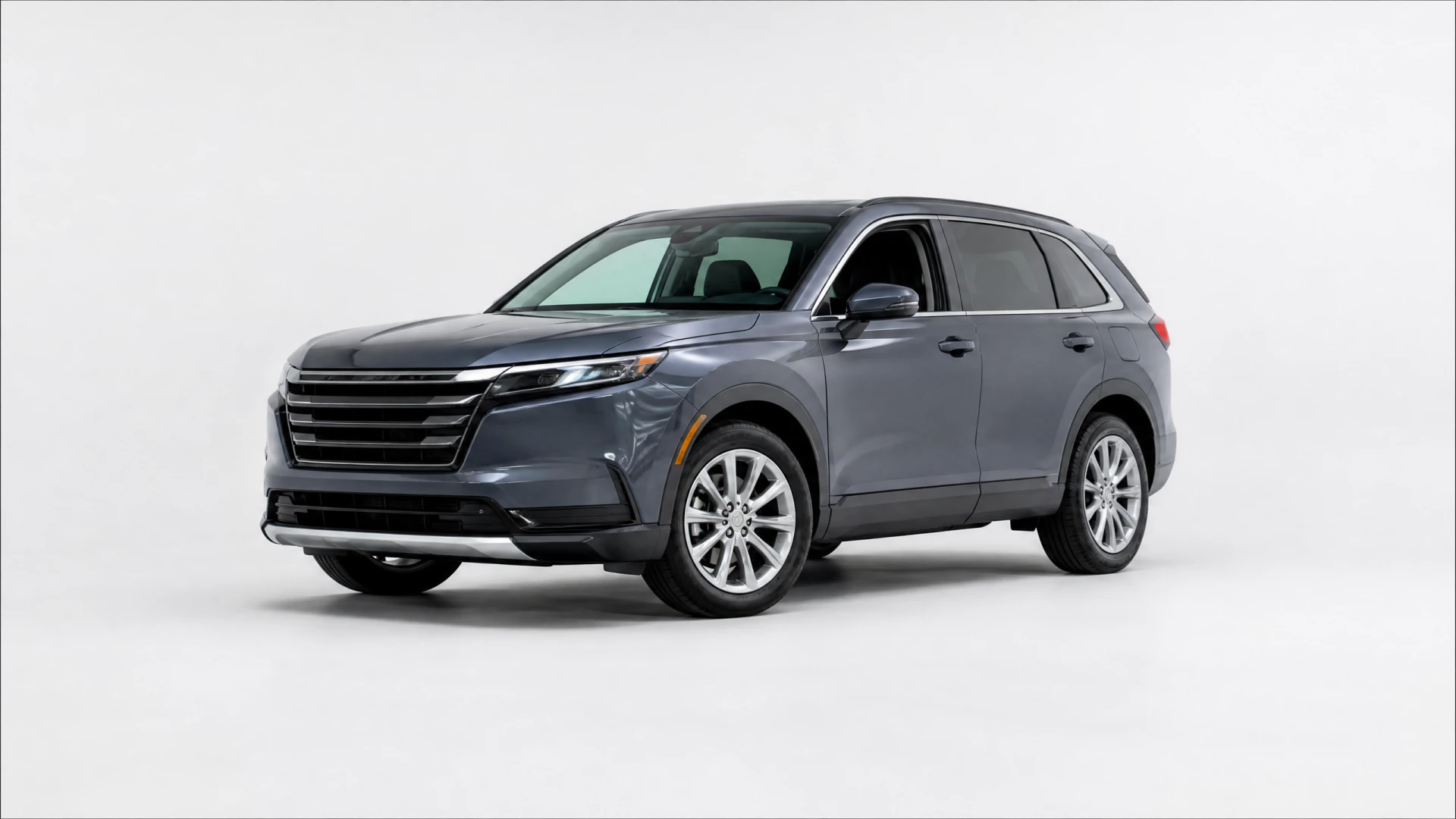
The car you drive matters because repair costs, safety record, and theft rates are all baked into the price before you ever get behind the wheel. A modest, common car with good safety ratings will almost always cost less to insure than something powerful or expensive to fix. This is one of the few things you control completely from day one, and it works independently of your driving record.
Where this varies is in how much weight each factor gets. Some states limit how much insurers can factor in things like how you pay or your credit history, and insurers themselves weigh age, experience, and location differently. Check with a few insurers directly, because the same driver can see noticeably different prices depending on which factors a company leans on most.
The short version
Your price comes down mainly by building a clean driving record over time, since insurers price you on evidence they don't have yet. Choosing a modest, safe car and a policy that fits your real needs also helps right away. Start driving carefully now, and revisit your rate once you've built up some time behind the wheel.
A new driver who waited until adulthood to get a license
Maria got her license well into adulthood when a new job meant she could no longer rely on trains. She had no driving history at all, and when she first shopped for coverage, the quotes she got were close to what a teenager might pay. She picked a modest sedan instead of the larger SUV she liked, added herself to a policy with higher liability limits than the state minimum, and asked about paying in full instead of monthly, since that mattered with the insurer she chose.
She kept her first stretch of driving uneventful on purpose, avoiding highway driving at first and slowly building confidence. When she shopped again after holding a clean record for a while, her price had dropped noticeably, and dropped again as more time passed without incident. The car and the coverage choices helped some from the start, but the clean record is what actually moved the number. She now tells people in her position not to expect the first quote to be the lasting one.
Compare quotes now with a car and coverage plan that sets you up to pay less as your record builds.
What actually brings the price down for a new driver
- A clean record over time Every stretch of time without a ticket or accident is proof you're a lower risk. Keep driving carefully and re-shop your rate once you've built up some history.
- A modest, safe car Cheaper repairs and strong safety ratings mean lower premiums regardless of your driving history. Choose practicality over power or size when you're starting out.
- Coverage matched to your risk Minimum coverage isn't always cheapest long-term if it leaves you exposed. Ask what higher liability limits actually cost, since the gap is often smaller than expected.
- Joining a family policy If a parent or spouse has a long clean record, joining their policy can lower your price compared to starting on your own. Ask insurers directly whether this is an option where you live.
- How and when you pay Paying in full or setting up automatic payments can reduce the price with some insurers. Ask each insurer what payment habits they reward before you commit.

How long until my rate actually drops as a new driver?
There's no fixed timeline that applies to everyone, because insurers set their own schedules for how they weigh experience. What's consistent is that the first real drop usually comes after you've completed a meaningful stretch of driving with no tickets or accidents. Further time spent building a clean record tends to bring further drops after that.
The best way to know for sure is to re-shop your coverage once you feel you've built up a real record, rather than assuming your current insurer will lower your price automatically. Some will adjust it without you asking, but many won't, and comparing quotes at that point often reveals a better price elsewhere even if your current insurer doesn't move. Treat the first policy you buy as temporary, not permanent.