What Qualifies as Anti-Theft for Car Insurance
Insurers count anti-theft features in three tiers, passive alarms, immobilizers and tracking systems, and the tier decides your discount.
Five features insurers actually recognize
- Factory alarm A built-in alarm that sounds on break-in usually qualifies for a small discount. Check your owner's manual or window sticker to confirm it's original equipment, not aftermarket.
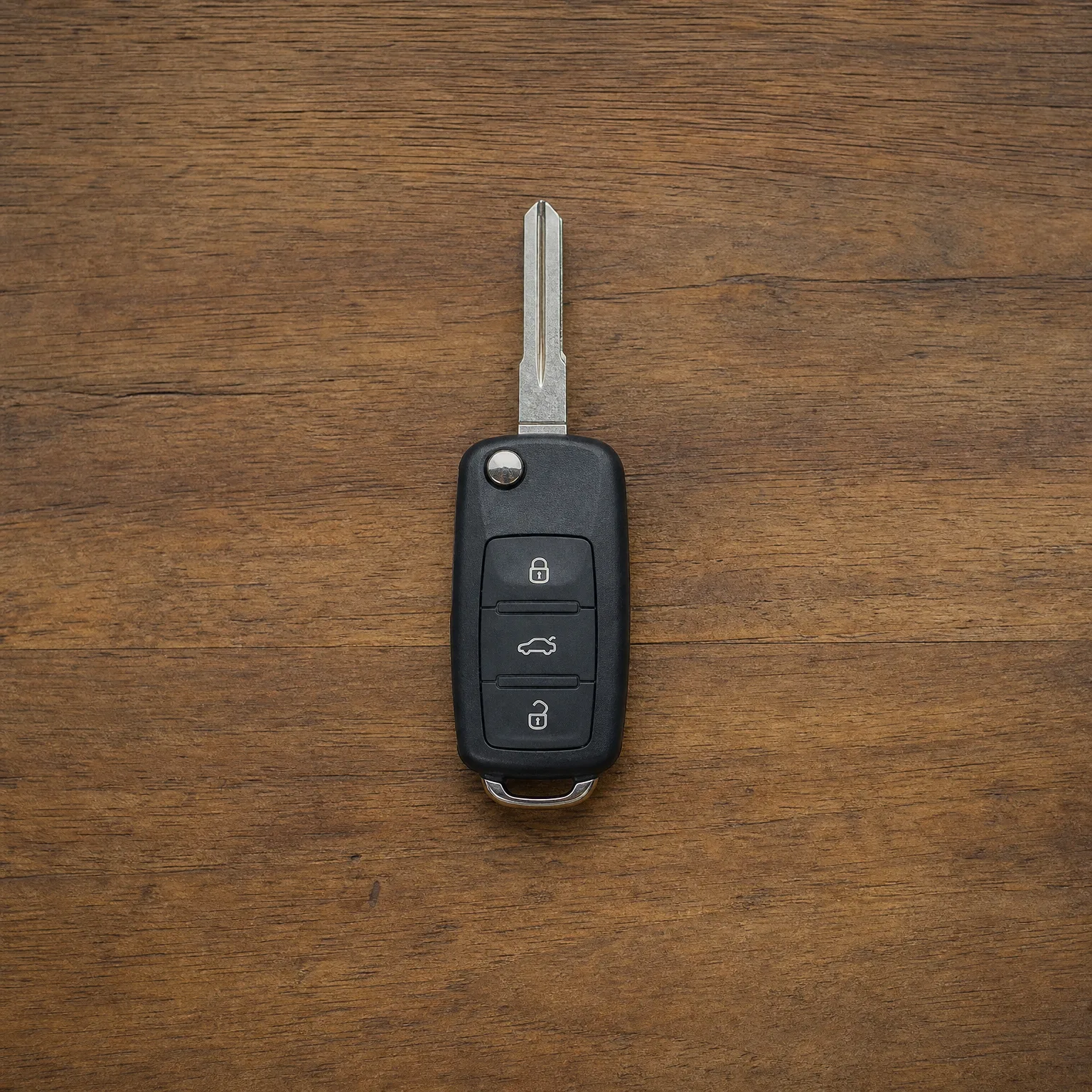
- Engine immobilizer This stops the car from starting without the correct key or chip and ranks higher than a basic alarm. Most cars made in the last couple decades already have one, so ask your insurer to check the VIN.
- GPS tracking device A system that can locate or shut down the car after theft often brings the biggest discount. Insurers usually need proof of installation, like a receipt or activation certificate.
- Vehicle recovery service A subscription service that actively tracks and recovers a stolen vehicle counts separately from passive tracking. Give your insurer the provider's name and your account details.
- Steering wheel lock A visible physical lock can help but rarely qualifies alone for a discount. Pair it with an alarm or immobilizer if you want it to actually lower your premium.

A driver assumes her car already qualifies, then checks
Maria buys a ten-year-old sedan after years of not driving and calls her insurer to set up a policy. She mentions the car has an alarm, assuming that's enough to get a discount, since the dealer said it had one. The agent asks whether it's a factory alarm or something installed later, and Maria doesn't know, so she agrees to check before the policy starts.
She finds the original window sticker in the glovebox, which lists the alarm as standard equipment, and also notices the car has an immobilizer chip in the key, something she never knew mattered. She reports both to her insurer, who applies a discount for the immobilizer since it ranks above a basic alarm. Maria later considers adding a tracking device too, but decides the cost of the service outweighs the discount for a car of that age and value. She ends up with a modest discount for no added cost, just from reporting what the car already had.

Reporting anti-theft features to your insurer
If you do
You give your insurer the make, model and VIN, and they confirm which features qualify. If your car has a factory immobilizer or alarm, you likely get a discount added automatically, lowering your premium a little with no extra steps or purchases required.
If you don't
You keep paying full price even if your car already has qualifying equipment built in. Insurers don't search for discounts on your behalf, so an immobilizer or alarm that came standard sits unused on your policy, quietly costing you money every renewal.
Once you know which anti-theft features your car has, compare quotes to see which insurers value them most.
Why insurers reward some features and not others
Insurers price theft risk based on how much a feature actually reduces the chance of loss, not how reassuring it feels to the driver. A passive alarm that sounds on its own, without you arming it, lowers risk more reliably than one you have to remember to set, which is why factory alarms often qualify but aftermarket ones sometimes need extra documentation.
Immobilizers rank higher because they stop the car from being driven at all, not just flagged as being broken into. A thief can silence an alarm, but a car that won't start without the correct key stays put, and insurers see that as a bigger reduction in theft claims, so the discount reflects that.
Tracking and recovery systems work differently. They don't prevent theft, they increase the odds the car gets returned afterward, which lowers the total payout even if the theft happens. That's why these systems often carry the largest discount despite not stopping the crime itself, since insurers are pricing the claim outcome, not the break-in.
What varies is which categories an insurer recognizes and how they verify them, since some require documentation and others pull it straight from the VIN. A few states also regulate which anti-theft discounts insurers must offer, so check with your insurer or your state's insurance department if you want to know exactly what's required where you live.

Does adding a dash cam count as anti-theft equipment?
No, a dash cam records evidence but doesn't prevent or interrupt a theft, so insurers generally don't count it toward a discount. It can still help a claim move faster if your car is broken into, since you'd have footage, but check with your insurer because this isn't a feature they price in.
Will installing anti-theft equipment lower rates on an older car?
It can, but the savings depend on the car's value, since discounts are usually a share of the comprehensive portion of your premium. On a car worth very little, that portion is already small, so the discount may not cover the cost of installing new equipment. Ask your insurer for the estimated discount before you buy anything.
Do insurers verify anti-theft features or just take your word for it?
It depends on the insurer and the feature. VIN-based features like factory immobilizers are usually verified automatically, while aftermarket alarms or tracking systems often need a receipt or installer certificate. If you're ever unsure, ask your insurer directly what proof they need before you assume a discount is already applied.