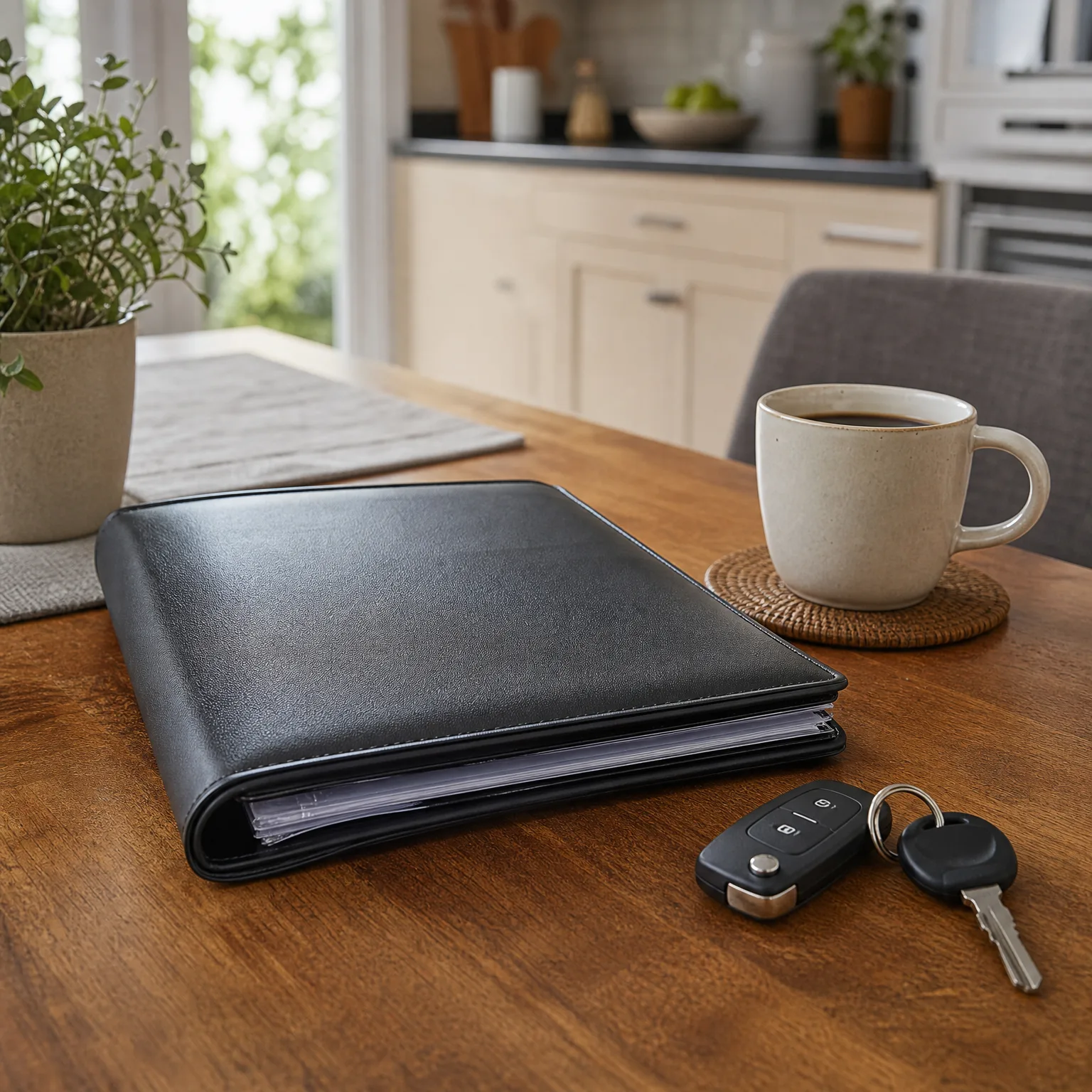
What Should I Do to Prepare for Winter Driving
Get your car, your coverage and your habits ready before the first cold snap, not after.

Five things to check before the cold arrives
- Tires with real tread Worn tires lose grip fast on wet and icy roads. Check tread depth now and replace or switch to winter tires before temperatures drop.
- Battery and fluids Cold weather is hard on batteries and they often fail without warning. Have a shop test yours and top off antifreeze and wiper fluid rated for freezing temps.
- Emergency kit in the trunk If you slide off the road or get stuck, you may wait a while for help. Pack a blanket, flashlight, snacks, water and a phone charger.
- Coverage that fits your drive If winter means longer commutes or driving in worse conditions, your current coverage may not match the risk. Review your policy before the season starts, not after a claim.
- A plan for bad days Know when you'll delay a trip or work from home instead of driving through a storm. Decide this now, before you're deciding it in the middle of one.
Does my insurance cost more just because it's winter?
Your rate doesn't change automatically because the season changed. Insurers set rates based on your record, your car, where you live and your coverage choices, not the calendar.
What can change is your risk of filing a claim. More accidents happen in winter because of ice, snow and reduced visibility, and if you have one, that claim can affect your rate later regardless of when it happened.
Some drivers do adjust their coverage for winter, raising liability limits or adding roadside assistance because they're driving more in bad conditions or on unfamiliar roads for holiday travel. That's a choice you make based on your situation, not something that happens to you automatically. Check your policy to see what you already have before assuming you need to add anything.

Whether you actually prepare before winter hits
If you do
Your car starts reliably, your tires grip when roads turn icy, and you have supplies if you're stranded. You already know what your coverage handles, so if something happens, you're filing a claim instead of scrambling to understand your policy for the first time.
If you don't
You're checking tire tread in a parking lot during the first snowfall, hoping your battery survives the cold snap, and reading your policy for the first time after a slide-off. Nothing about this saves you money, it just moves the stress to a worse moment.
Once you know your car and habits are ready for winter, compare quotes to make sure your coverage matches them too.
Why winter prep is really about reducing surprises
Winter driving isn't more dangerous because the rules of driving change. It's more dangerous because the margin for error shrinks. Stopping distances grow, visibility drops, and a small mistake that would be nothing on dry pavement in July can become a serious problem on ice in January. Preparing ahead of time is really about giving yourself back some of that margin.
Most of what fails in winter isn't exotic, it's neglect. Tires that were fine in summer but are worn past the point of being safe in snow. Batteries that were already weak and just needed cold weather to finish them off. These are things you can see coming if you check in advance, which is why the prep matters more than any specific gadget or product.
Coverage works the same way underneath. Your policy doesn't know it's winter, but the odds of needing it go up when roads get worse. That's why it's worth looking at your coverage before the season starts rather than after something happens. You want to know what you're protected against while you still have the option to change it, not while you're on the phone after a crash.
Where this plays out differently is based on where you live and how you drive. Someone in a place with heavy snow and ice has a very different risk than someone in a place where winter just means a few cold, rainy days. Your own driving habits matter too. If winter means you're driving more, farther, or in conditions you're less used to, that's worth factoring into how much you prepare and what coverage makes sense, more than any general winter checklist can tell you.
Winter doesn't raise your risk on its own. Being unprepared for it does.
Do I need special insurance for winter tires or snow driving?
No, standard coverage applies regardless of the tires you use or the conditions you drive in. There's no separate winter policy you need to buy.
What matters is whether your existing coverage fits your actual driving, including any winter-specific risk like longer commutes or driving in areas with worse conditions. Check your policy now if you're unsure, and adjust coverage limits if your risk has genuinely increased, not because it's winter but because of how you're driving.
What happens to my rate if I slide on ice and cause an accident?
An accident is an accident regardless of the weather that caused it. If you're found at fault, it can affect your rate the same way any at-fault claim would.
Insurers generally don't treat weather as an excuse that changes how a claim is handled, though some may consider the circumstances when reviewing details. Check your policy's accident forgiveness terms if you have them, since those can change whether a first at-fault claim affects your rate at all.
Should I drive less in winter to keep my rates down?
Driving less can lower your risk, but it only affects your rate directly if your policy is usage-based or tracks mileage. Check whether yours does.
For most standard policies, your rate is set at renewal based on your profile and history, not adjusted in real time for how much you drove that month. If you're genuinely driving much less due to remote work or avoiding winter roads, it's worth asking your insurer whether that changes your premium at your next renewal.