What to Do if Nobody Lets You Merge
Slow down, signal early, and look for a gap instead of forcing one, because merging is about timing, not permission.
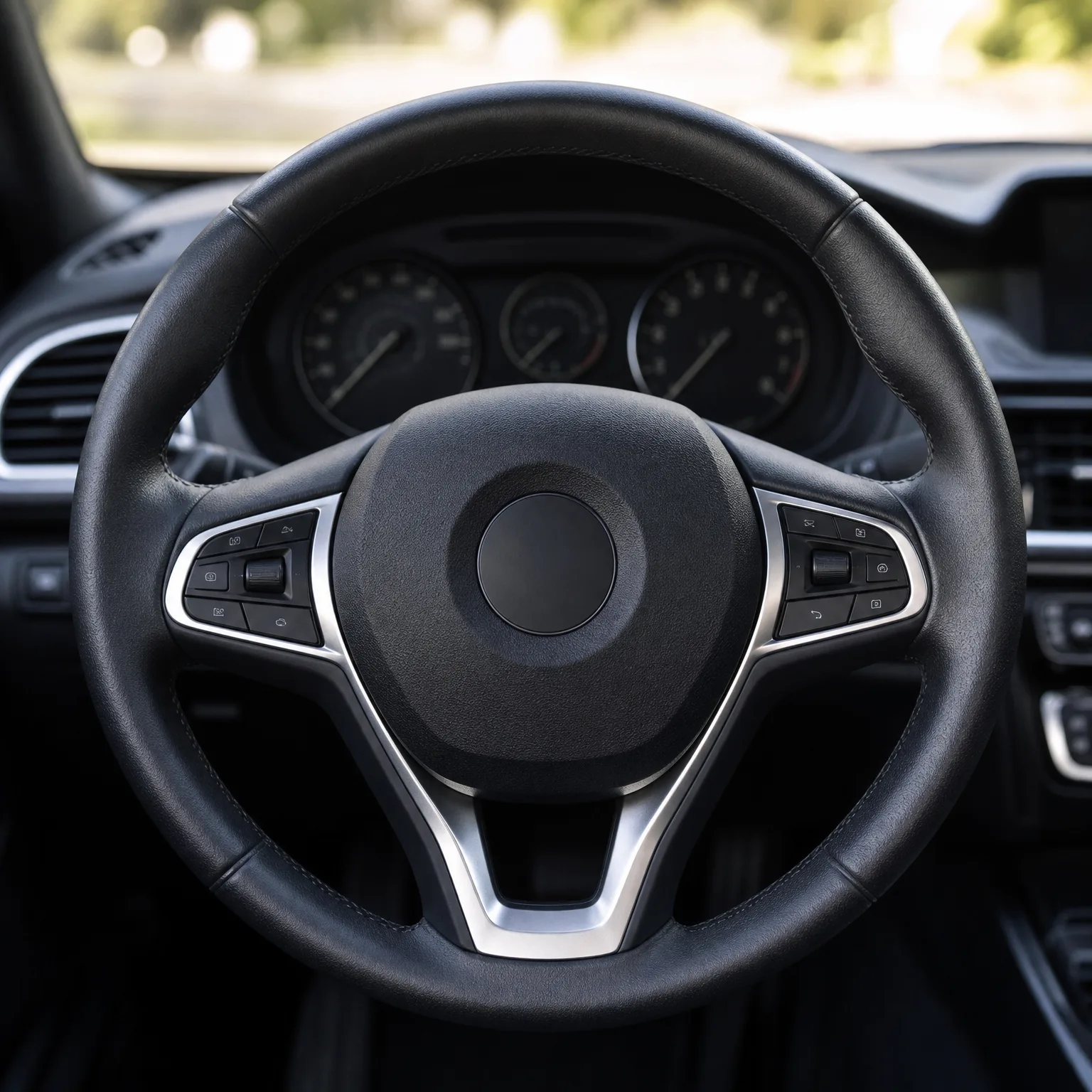
A lane closure on the highway with nobody slowing down
You're driving home and see the orange signs ahead warning that your lane ends in half a mile. Cars are packed bumper to bumper in the lane next to you, and nobody seems willing to open a gap. You try matching your speed to the car beside you, signal, and inch forward, but they speed up every time you get close. You start to feel like you're being boxed out on purpose, and your instinct is to force your way in before the lane disappears completely.
Instead, you ease off the gas and drop back a few car lengths, giving yourself room to see further down the line. You spot a gap forming behind a driver who's leaving extra space, signal again, and merge smoothly into that space at a matching speed. It costs you a few seconds, but you avoid the near-miss you were heading toward. When you get home, you realize the slowdown wasn't really about you. It was about everyone merging late and tight, and the fix was patience, not speed.
Is it illegal to not let someone merge?
In most places there's no specific law requiring drivers to let another car merge, though blocking someone intentionally or causing a crash by refusing to yield can still get you cited depending on the state. Merging laws usually focus on the merging driver's duty to yield to traffic already in the lane, not the other way around.
That said, intentionally speeding up to block a merging car, especially near a lane closure, can be treated as aggressive driving or reckless driving in some states. Check your state's vehicle code or ask your insurer's claims department how merging fault is typically assigned there, since it varies by state and by the specifics of the road.

Do you force your way into the gap or wait for room
If you do
You speed up, cut close, and squeeze into a tight gap. It often works, but it raises your crash risk, since the other driver may brake hard or swerve. If contact happens, insurers often view a merging driver as at fault, so forcing it can cost you more than the few seconds you saved.
If you don't
You ease off, drop back if needed, and wait for a gap that's actually safe. It costs you a little time and feels frustrating when drivers won't cooperate, but you arrive just as fast and avoid a collision that could follow you for years through higher premiums.
Now that you know how to merge safely, compare quotes to see how a clean record keeps your rate down.
Who is at fault if a merging car gets hit?
The merging driver is usually found at fault, since the general rule is that the car already in the lane has the right of way. This isn't absolute though. If the other driver was speeding, blocking intentionally, or driving erratically, fault can shift or be shared. Insurers investigate speed, signals, and dash cam or witness evidence when available. Check how your state handles comparative fault, since some states reduce your payout rather than eliminate it if you're partly responsible.
Does using your turn signal protect you legally when merging?
Signaling doesn't guarantee legal protection, but it strongly helps your case if there's a dispute. It shows you communicated your intent and acted reasonably, which insurers and police weigh heavily when assigning fault. Without a signal, you look like the cause of a sudden, unsafe move even if the other driver was equally at fault. Always signal early, not right as you merge, since late signaling can still be read as reckless.
What should I do if I miss my exit because nobody let me merge?
Keep driving to the next exit rather than stopping or reversing on the highway, since backing up or cutting across lanes is far more dangerous and often illegal. Missing an exit costs you a few minutes, while an unsafe maneuver to fix it can cause a serious crash. If this happens often in one spot, look at the map ahead of time and move into position earlier next time.
Merging is about timing, not a fight for space, and patience almost always costs less than forcing it.