
When Should You Drop Car Insurance to Liability Only
Drop full coverage when your car is worth little enough that paying out of pocket to replace it costs less than years of extra premium.

Weigh these before you drop collision and comprehensive
- Your car's real value Look up what your car actually sells for now, not what you paid. If that number is low, the payout you'd get after a claim is also low, so the extra premium may not be worth it.
- The yearly cost of full coverage Add up what collision and comprehensive cost you per year. Compare that to the car's value, and if you'd pay a large share of the car's worth every few years just to insure it, liability only starts to make sense.
- Whether you still owe on the car If you're financing or leasing, the lender almost always requires full coverage. Check your loan or lease terms before you touch this, since dropping it could violate the agreement.
- Your ability to replace it If the car was totaled tomorrow, think about whether you have savings to cover a replacement. If losing the car wouldn't hurt financially, carrying liability only is a reasonable trade.
- How you'd cover your own damage Liability only pays for the other driver when you're at fault, not your own car. Make sure you're comfortable covering your own repairs or walking away from the car if something happens.
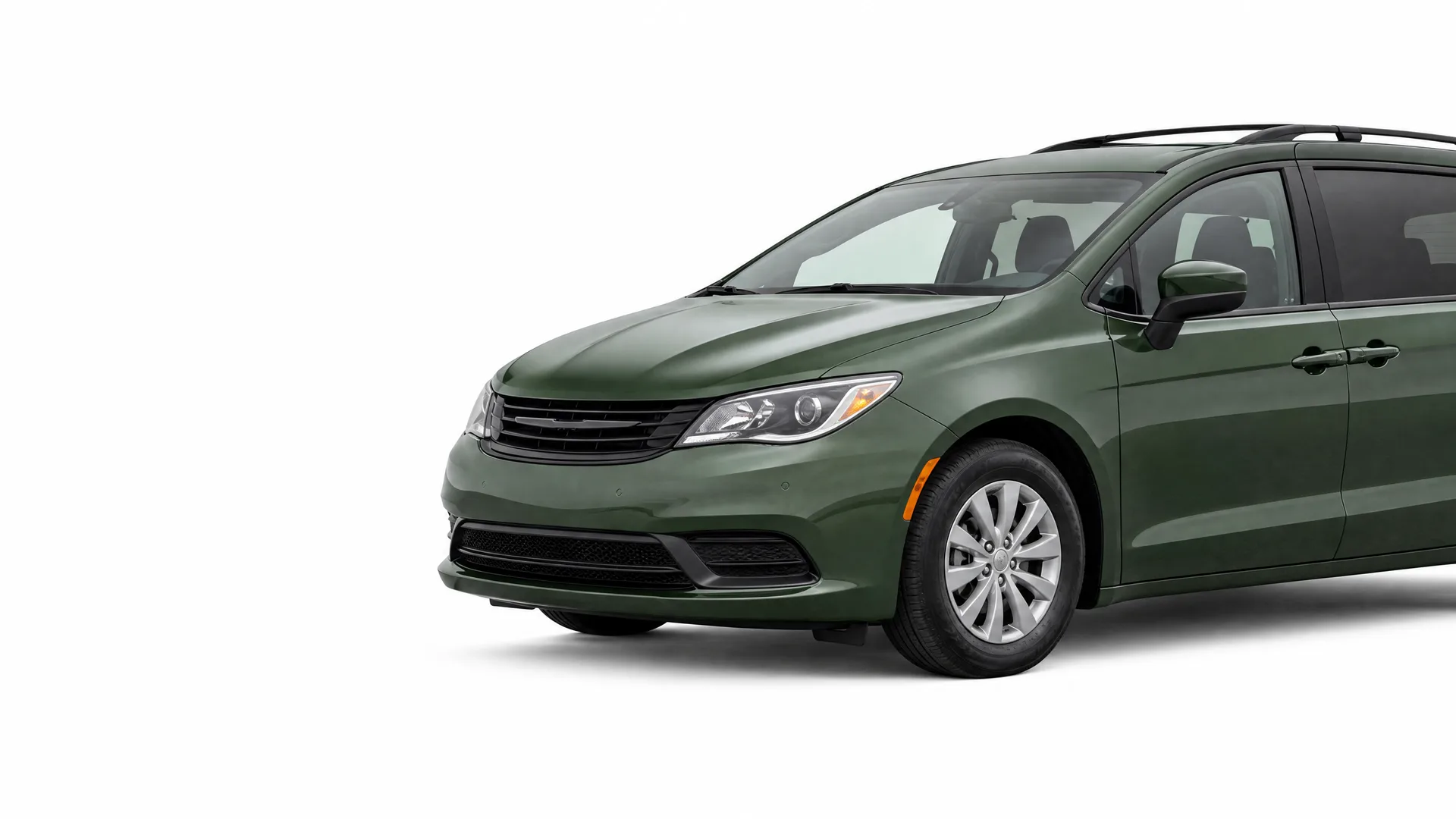
An older car that was costing more to insure than it was worth
A driver had a car worth a modest amount, bought used years earlier and now showing its age. Every six months the bill for full coverage came in, and collision and comprehensive made up a large part of it. The car ran fine, but if it were stolen or totaled, the insurer would only owe its current value, which wasn't much.
The driver pulled up the car's resale value, then compared it to a year of collision and comprehensive premiums combined. The premium cost was a significant fraction of what the car was worth, and that happened every year. They checked that the loan was paid off, confirmed there was no lender requirement, and then called their insurer to drop everything but liability. The next bill was noticeably smaller, and they put some of the difference into a small savings cushion earmarked for a future car, in case something ever happened to this one.
The real question isn't your age or record, it's whether your car is worth more than it costs to protect.
Once you know whether liability only fits your car's value, compare quotes to see what you'd actually save.
Why this comes down to math, not a rule of thumb
Collision and comprehensive coverage exist to pay you back for damage to your own car, up to what that car is currently worth. As a car ages, its value drops every year, but the cost of insuring it against damage doesn't drop at the same pace. At some point the two lines cross, and you're paying more over time to protect the car than the car would be worth if something happened to it.
Liability coverage is different. It pays for damage you cause to other people and their property, and most states require you to carry some amount of it no matter what your own car is worth. That part of your policy doesn't change when you drop full coverage, so dropping to liability only means giving up protection for your own car, not reducing what you owe others if you cause an accident.
The decision isn't really about how long you've been driving or how clean your record is. A new driver with an old, low value car and a long time driver with the same car face the same math. What matters is the relationship between the car's value, the premium you're paying, and what you could afford if you had to replace the car yourself.
This works out differently if you still owe money on the car, since lenders typically require full coverage until the loan is paid off. It also works out differently if you live somewhere that makes totaled cars expensive to replace, or if your insurer's rules about proving a car's value differ from what you'd expect. Check your loan terms and your state's requirements before deciding, since both can override the math.

Will dropping full coverage actually lower my rate a lot?
Usually yes, because collision and comprehensive often make up a large share of your total premium, especially if your driving record is still thin and insurers are pricing you cautiously. Liability alone tends to cost noticeably less.
How much less depends on your insurer, your state, and details about your car and driving history that vary case by case. The only way to know your real number is to get a quote for liability only and compare it directly to what you're paying now, rather than assuming a typical savings amount applies to you.