
When Should You Not Put Full Coverage on a Car
Drop full coverage once your car is worth so little that the payout couldn't justify what you're paying for it.

A driver with an older paid off car decides what to carry
You bought your first car two years ago, a used sedan with high mileage, and you're still carrying full coverage out of habit from when the loan required it. Now the loan is paid off and you're wondering if that extra premium still makes sense. You check what the car would sell for today and it's a small amount, far less than you expected.
You call around and compare what you'd pay over a year for comprehensive and collision against what you'd actually get back if the car were totaled. The gap is too close to justify the cost, so you drop both and keep only the liability coverage your state requires. You put the difference into a small savings fund earmarked for repairs or a future car. A few months later a hailstorm dents the hood, and you pay for it yourself out of that fund instead of filing a claim, which is exactly the tradeoff you planned for.
What if I can't afford to replace the car if something happens to it?
This is the real question behind the decision, and it matters more than the car's value alone. If losing the car tomorrow would leave you stuck with no way to get to work or handle daily life, that risk needs to be covered somehow, either through insurance or through savings you can actually access fast.
Full coverage is one way to protect against that, but it's not the only way. If you have an emergency fund that could replace the car outright, dropping full coverage is reasonable even if the car has moderate value. If you don't have that cushion, keep the coverage a while longer, even on an older car, until you've built one.

Deciding whether to drop full coverage on your car
If you do
You lower your monthly payment right away and free up money for other costs. If the car is stolen, totaled, or badly damaged, you cover the full cost yourself, from a fund or your own pocket. This works as long as you could actually afford that loss without real hardship.
If you don't
You keep paying for comprehensive and collision every month, even if the car's value is low. If something happens, you get a payout toward a replacement, minus your deductible. This makes sense if you lack savings to absorb a sudden loss or still owe money on the car.
Now that you know when to drop full coverage, compare quotes to see what keeping or dropping it would actually cost you.
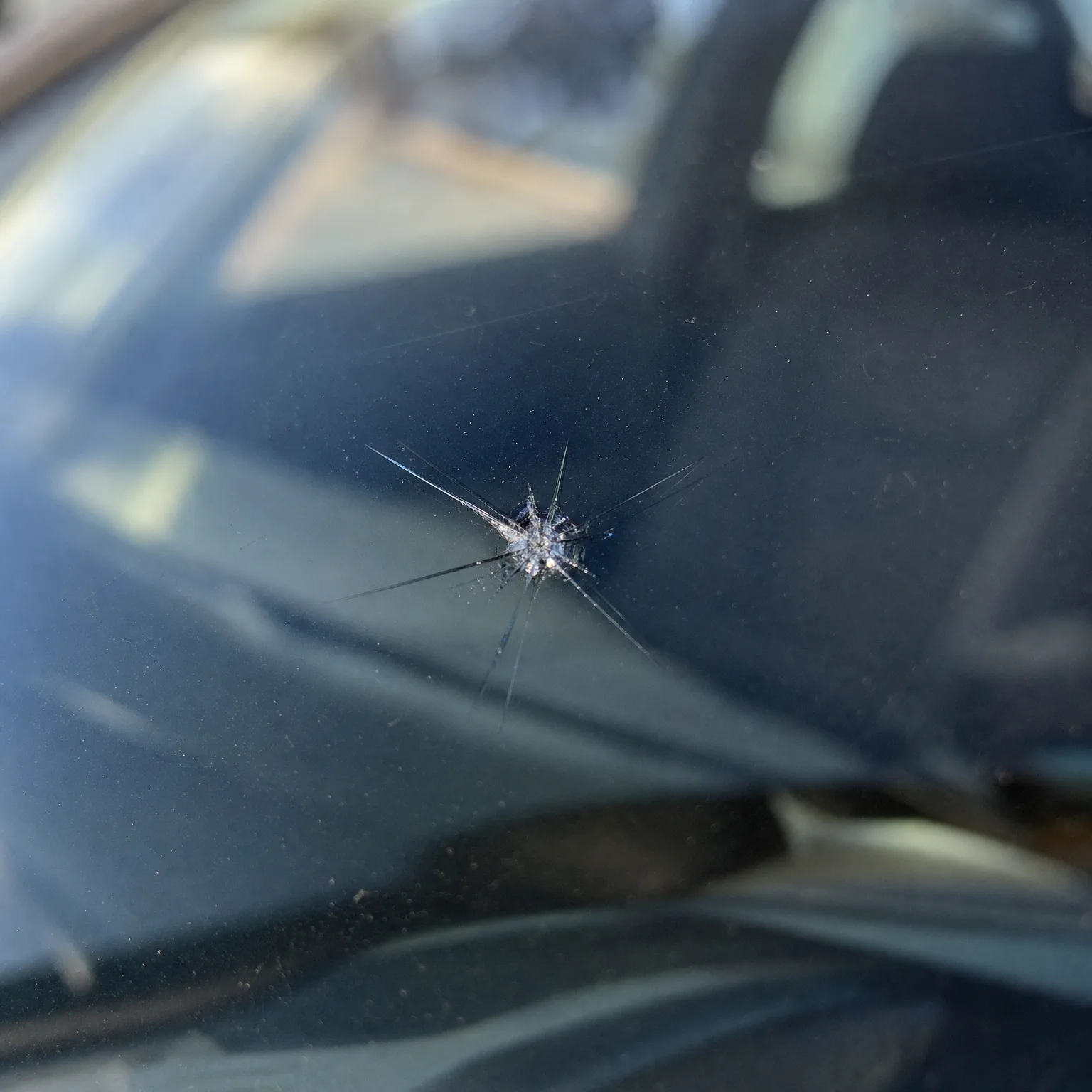
Signs it's time to drop full coverage
- Car's value is low Check what your car would actually sell for today. If a payout would be small, the premium you're paying for that protection may not be worth it.
- You have savings to replace it If you could cover a totaled car out of pocket without hardship, you're insuring against a loss you could already absorb yourself.
- No loan or lease requires it Lenders require full coverage while you owe money on a car. Once it's paid off, that requirement disappears and the choice is yours.
- You rarely drive it A car that sits most of the time carries less risk of a crash, though it can still be stolen or damaged, so weigh that against the savings.
- Repairs would exceed its worth If body work or parts cost more than the car is worth, an insurer would total it anyway, so the coverage protects less than it seems to.
Why this comes down to value, not age
Full coverage exists to pay you back what your car is worth if it's stolen or wrecked beyond repair. That payout is always capped at the car's actual cash value, not what you paid for it or what it would cost to replace. As a car ages, that value drops, often faster than people expect, while the premium for comprehensive and collision doesn't drop at the same pace. At some point you're paying a steady amount to protect a shrinking number.
The math underneath this is simple once you see it. Insurers price comprehensive and collision based on the cost to repair or replace your specific car, weighed against the odds of that happening. An older or lower value car costs less to replace, so in theory the premium should fall too, but it often doesn't fall enough to keep pace with how fast the value drops. That's the gap that makes dropping coverage worth considering.
This isn't only about age. A car with a rebuilt title, a salvage history, or heavy mileage can lose value fast even if it's only a few years old. On the other hand, a well kept older car in a model that holds value might still be worth carrying full coverage on longer than you'd guess. The only way to know is to check the actual value, not the age or the odometer alone.
What doesn't change is your liability coverage. That part of your policy protects other people and their property if you cause an accident, and it has nothing to do with your car's value. Dropping full coverage never means dropping that. States set their own minimums for it and some insurers offer higher limits worth considering, so check what your state requires and what your insurer offers before you decide.
Full coverage protects your car's value, not the car itself, so a low value leaves little left to protect.