Which Anti-Theft Device Is Best for an Insurance Discount
A factory-installed or professionally fitted tracking or disabling device earns the biggest insurance discount, more than an alarm alone.

What actually moves your discount
- Tracking devices A GPS or recovery tracker helps insurers get a stolen car back fast, which they reward most. Check if yours reports to a monitored service, since a silent app alone may not qualify.
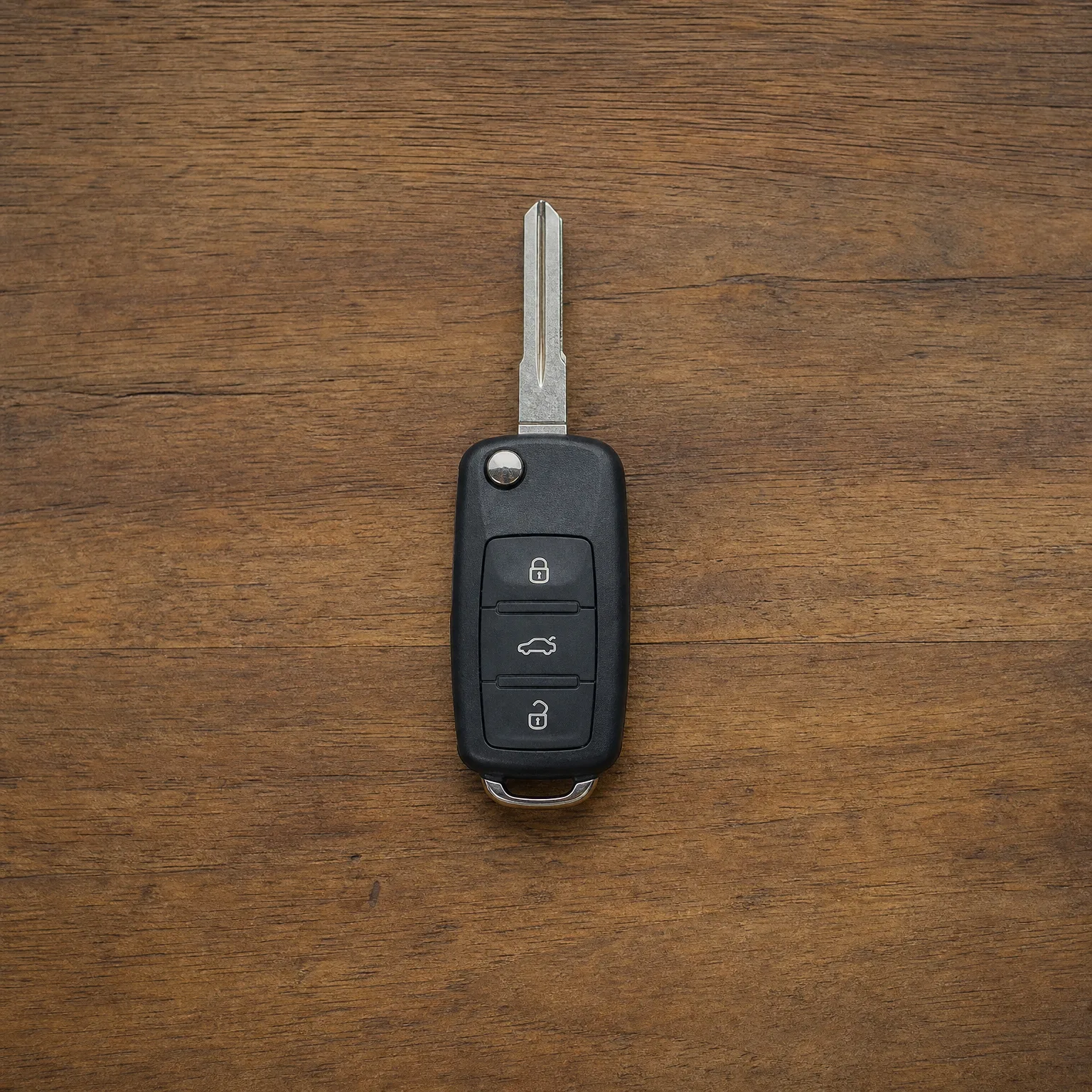
- Disabling systems A device that stops the engine from starting without the right key or fob counts as real theft prevention. Confirm with your insurer whether it must be factory installed or can be aftermarket.
- Alarms alone A basic alarm that just makes noise usually earns a smaller discount than a tracker or disabler. It still helps, so mention it, but don't expect it to carry the full discount by itself.
- Insurer-approved lists Some insurers only discount devices from an approved brand or installer list. Ask before you buy, so the one you pick actually counts.
- Proof you'll need You'll likely need a receipt, installation certificate, or VIN-linked confirmation. Keep this paperwork, since you may have to send it in before the discount is applied.
Choosing a device before buying your first car
You're about to buy a used sedan and you've never had to think about anti-theft equipment before. You call two insurers to ask what they'd actually discount. One tells you a tracking device with a monitoring service qualifies for their biggest discount, the other says any device on their approved list works, alarm included, but at a smaller rate.
You decide to install a tracking device rather than a basic alarm, since it's recognized by both insurers and gives you a bigger discount with either one. You keep the installation receipt and send a copy to your insurer when you set up the policy. The discount shows up on your first bill, and because the device is tied to the car rather than to you personally, it keeps applying even as your policy renews.
The device has to help recover or disable the car, not just scare someone off, or the discount stays small.
Now that you know which device actually earns the discount, compare quotes to see how much it's worth with each insurer.

Installing a qualifying device or skipping it
If you do
You install a tracking or disabling device, send the installer's paperwork to your insurer, and the discount applies to your policy. If your car is ever stolen, recovery is faster, and some insurers also ease up slightly on how they view your risk overall.
If you don't
You skip it and pay a little more for comprehensive coverage with no theft discount. If the car is stolen, recovery depends on luck or witnesses rather than tracking, and you may wait longer for a claim to resolve.
Is it worth paying for the device just for the discount?
It depends on how much the device costs versus how much the discount actually saves you over time. For a tracking device with a real monitoring service, many drivers find the discount plus the peace of mind about recovery make it worthwhile, especially if the car is new or easy to resell for parts.
For a basic alarm, the discount is usually too small to justify buying one just for insurance purposes, though if your car already has one built in, you should still report it. The honest way to decide is to ask your insurer exactly what discount applies to the specific device you're considering before you spend anything, since the answer changes a lot depending on the device and the insurer.