Who Gives Way When Merging into a Lane Without Lane Markings
The car already traveling in the lane has the right of way, and the merging driver must yield until it's safe to move over.
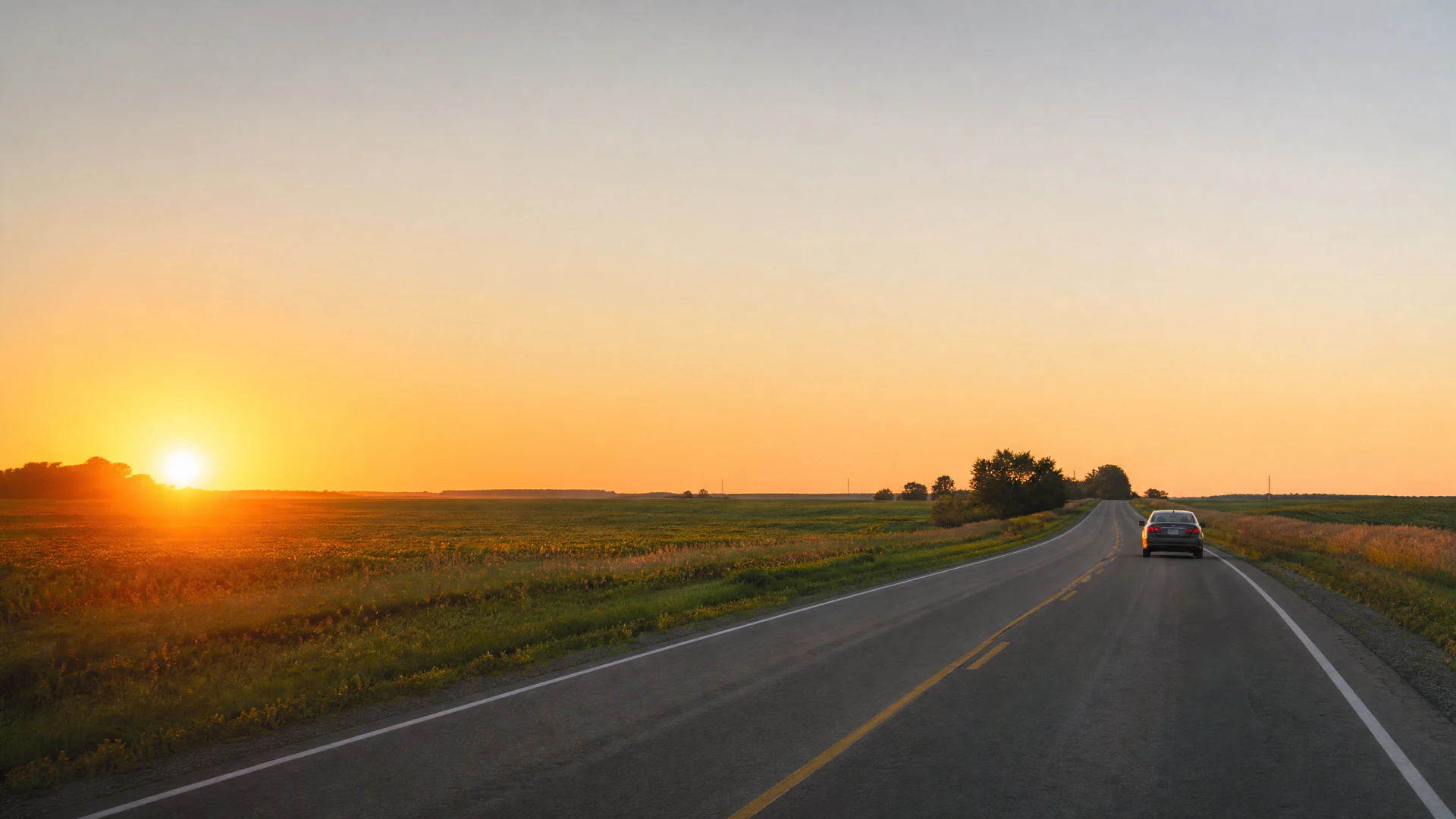
A faded lane near a highway exit
You're driving home on a stretch of road where construction crews recently resurfaced the pavement, and the lane lines haven't been repainted yet. Up ahead, two lanes become one because of a lane closure sign, but there's nothing on the ground telling you where to merge or who goes first. Another car is beside you, slightly ahead, already committed to the lane you're both aiming for.
You ease off the gas and let that car pass in front of you, since it was already established in the lane before you started merging. You watch its signal and position rather than guessing from the missing paint. Once there's a gap, you merge in smoothly behind it. No one brakes hard, no one argues over space, and the whole thing takes a few seconds. That's the pattern to copy whenever markings vanish, judge position and timing the way you would at any merge, not the absence of paint.
What if neither driver is clearly ahead when lanes merge?
When two cars reach the merge point at nearly the same time and neither has a clear positional lead, the standard rule is that the driver on the right yields to the driver on the left, similar to how uncontrolled intersections work in many places. But this isn't universal, and some areas expect whichever driver can safely slow down to do so, regardless of side.
In practice, the safest move is to not insist on a technical right of way when it's ambiguous. Ease off, make eye contact or watch the other driver's speed, and let the merge resolve itself without forcing the issue. Insurers and police investigating a crash in an unmarked merge often look at who had the better opportunity to avoid the collision, not just who was technically entitled to go first.
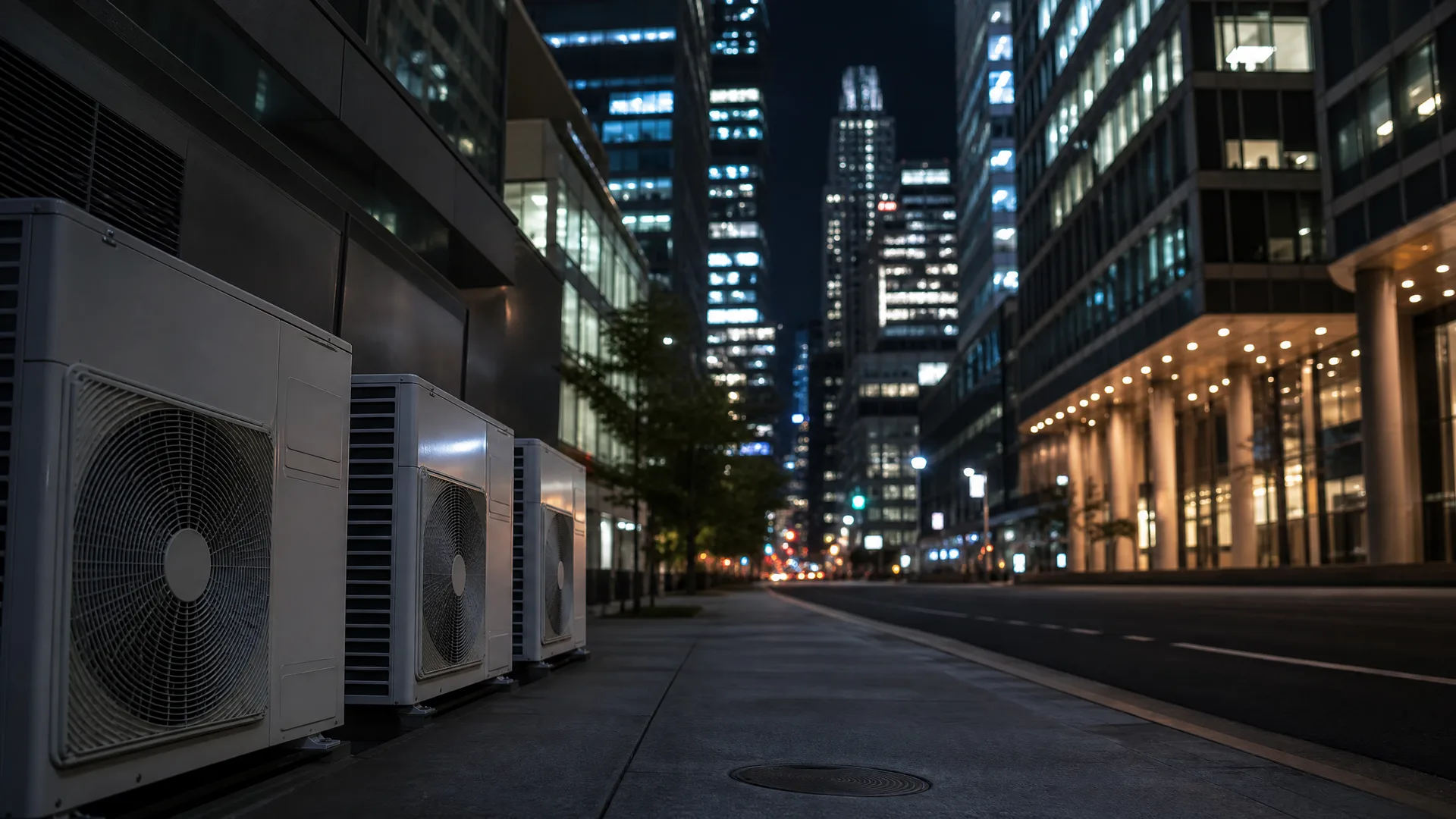
Deciding whether to assert your position or yield it
If you do
If you hold your position because you were already in the lane, you keep your speed, the car trying to merge adjusts around you, and traffic keeps moving without a stop. This is appropriate when you're clearly established in the lane and the other driver is still approaching the merge point.
If you don't
If you yield even though you had the right of way, you avoid a potential collision with a driver who may not realize the rule, but you risk confusing drivers behind you who expected you to keep going. It's a reasonable choice in heavy traffic or whenever the other driver seems unlikely to stop.
Knowing who yields at an unmarked merge, you can now compare quotes with that question settled.
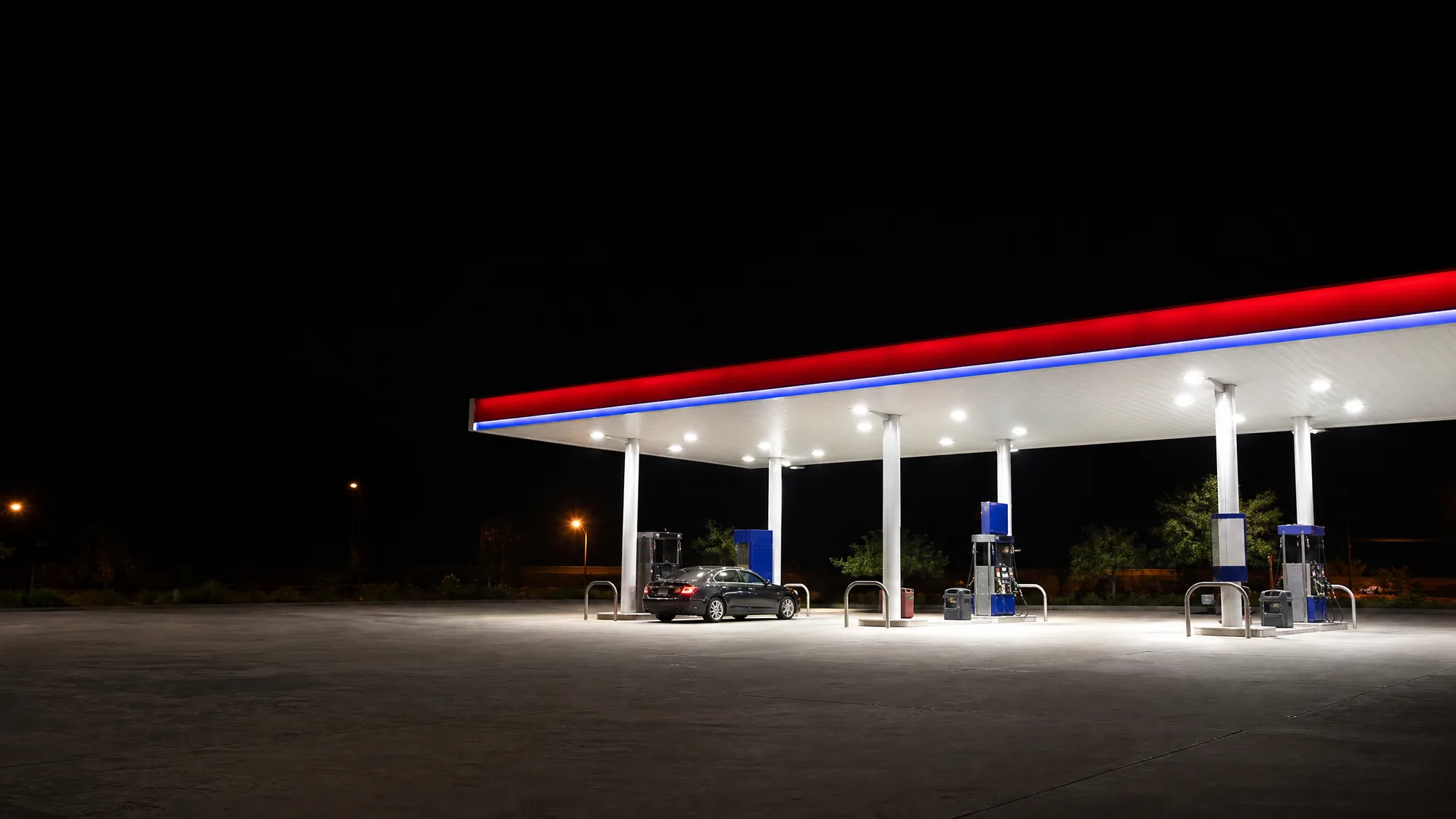
Who is at fault if a crash happens at an unmarked lane merge?
Fault usually falls on the driver who failed to yield to the vehicle already established in the lane. Investigators look at vehicle position, speed, and signals leading up to the merge point rather than just the absence of markings. If both drivers appear to have merged at the same time with no clear leader, fault can be split between them. Check how your state's traffic code defines merging responsibility, since the exact wording varies and affects how insurers assign percentages of fault.
Does construction versus plain unmarked pavement change who yields?
The reason the lane lacks markings doesn't change who yields, but construction zones often carry added signage or cones that function as informal guidance. Follow those cues first, since they usually indicate which lane is ending and which continues. In plain unmarked stretches with no construction, rely on standard merge rules instead. What changes the answer is whether temporary signs override the default yielding rule, so watch for flaggers or posted signs that explicitly assign right of way.
Can I get a ticket for not yielding at a merge with no lane lines?
Yes, failing to yield can be cited even without painted lines, since most traffic laws describe the rule in terms of lane position rather than paint. Officers assess who was established in the lane and who moved into it, not whether the road had markings. What changes the outcome is evidence like dashcam footage or witness statements showing who merged into whom. Check local traffic code for the exact language used to describe an unmarked merge violation.
Right of way at a merge depends on who's already in the lane, not on whether paint is telling you so.