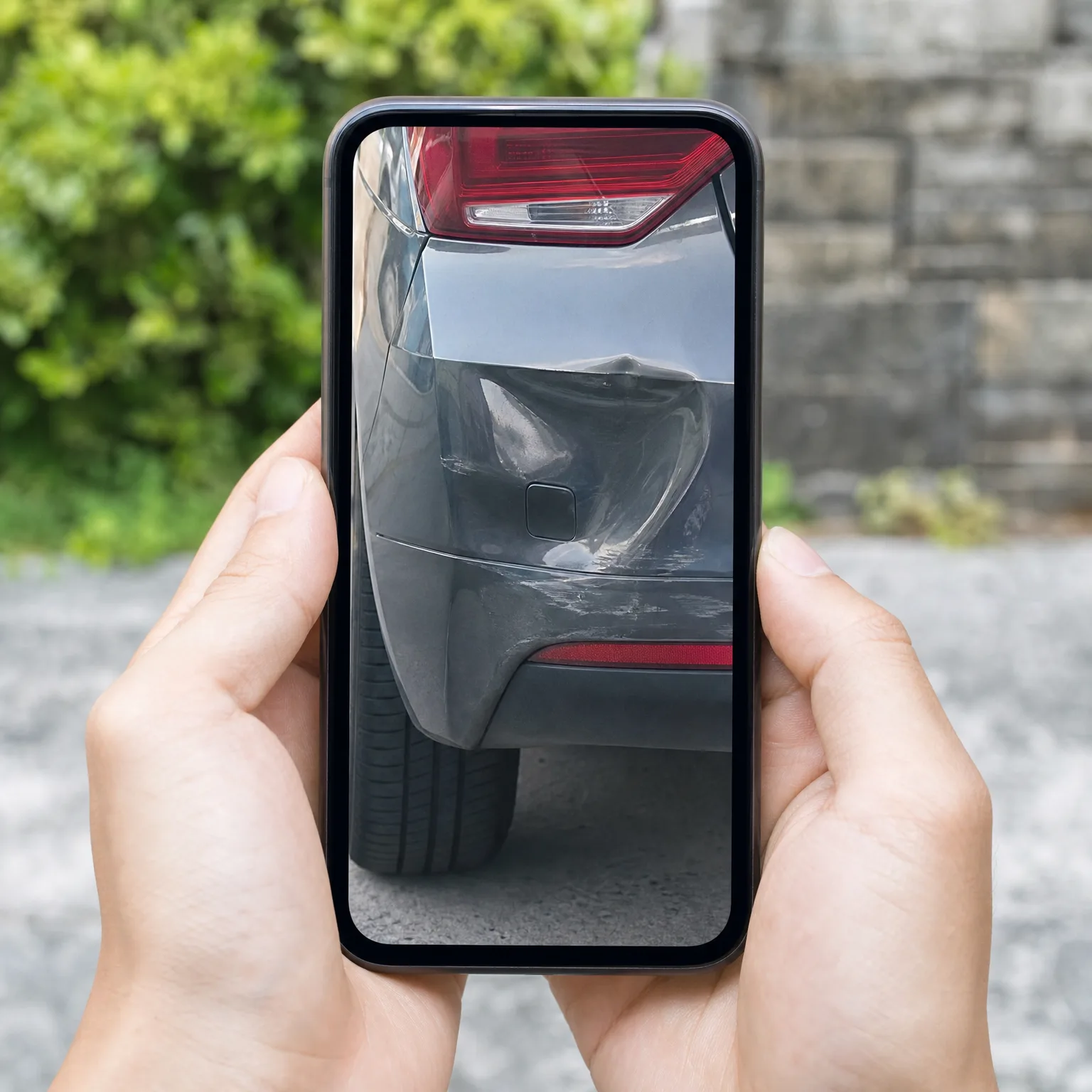
Who Is Liable if My Friend Crashes My Car
In most cases your car insurance pays first, because coverage follows the vehicle, not the driver.
Your policy follows the car, so it responds first
Car insurance is built around the vehicle. When you buy a policy, you're insuring that specific car for whoever ends up driving it with your okay. So if your friend borrows your car and causes a crash, your insurer is typically the one that pays for the damage and injuries, up to your policy's limits, before anyone else's coverage gets involved.
This only holds if your friend had permission to drive. Insurers call this reasonable belief of use, meaning you either told them they could drive it or it was understood between you, like handing over the keys at a party. If your friend took the car without asking, that's a different situation entirely and your insurer may treat it more like a theft, which shifts the liability conversation elsewhere.
Your friend's own car insurance can still come into play, but usually only as backup. If the damage or injuries go beyond what your policy covers, your friend's insurer may be asked to pay the remainder, since drivers often carry liability coverage that follows them personally into any car they drive. Whether that kicks in, and how much it pays, depends on their policy and the laws in your state, so it's worth checking both ahead of time rather than during a crisis.
There are exceptions insurers watch for. If your friend drives for a job, like delivering food in your car, that can trigger a business-use exclusion that voids coverage entirely. And if your friend isn't a resident of your household but drives your car often, some insurers expect you to have listed them on your policy, and may deny a claim if you didn't.
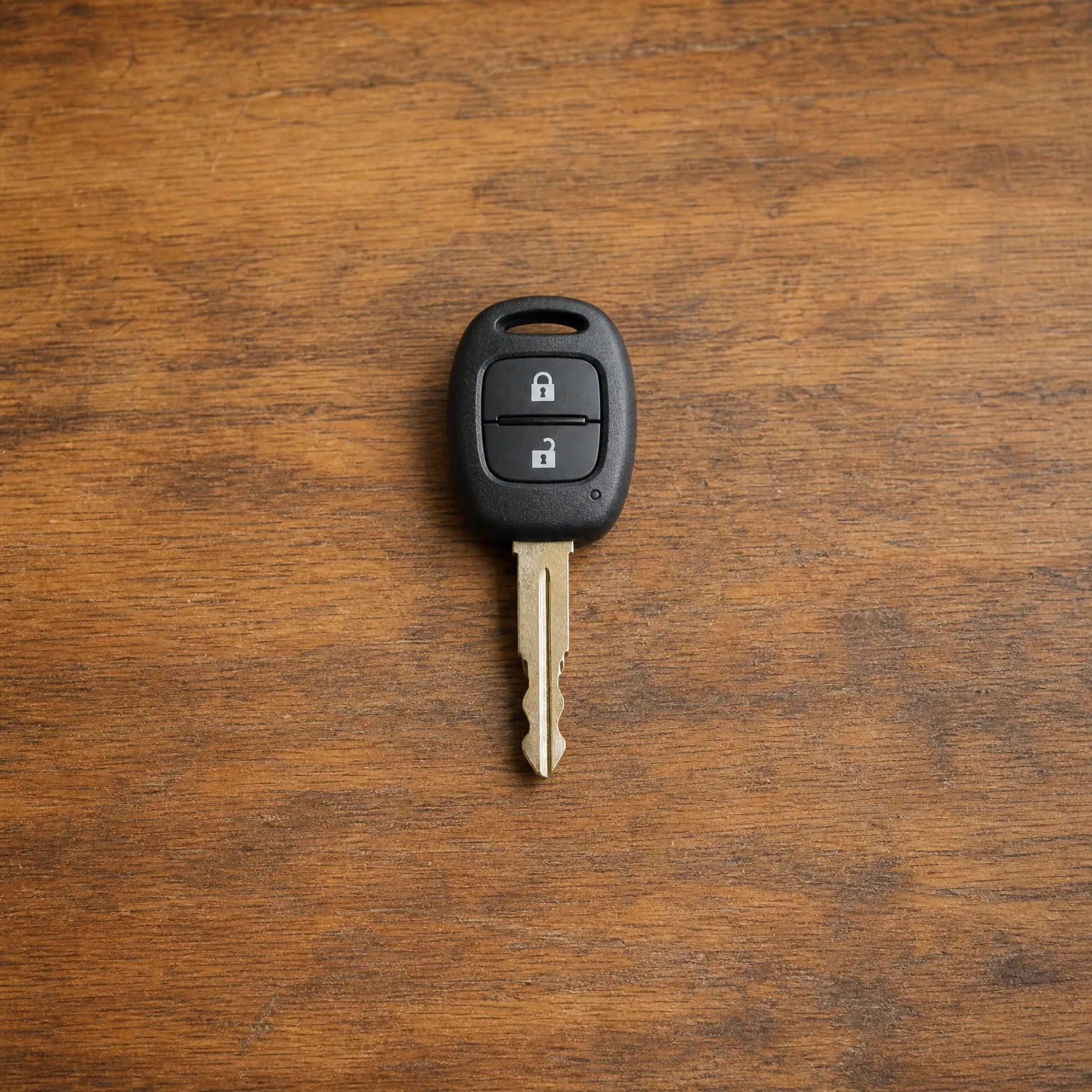
A weekend loan that turned into a fender bender
You lent your car to a friend for the weekend while your own car was in the shop. They backed into a parked car in a grocery store lot, denting both vehicles. No one was hurt, but the other driver wanted repairs paid for. Your friend called you right away, shaken, unsure whose insurance was supposed to handle it.
You called your insurer first, since it was your car, and they opened a claim under your policy. Your insurer paid for the other driver's repairs and the damage to your own car, minus your deductible. Because the amount was modest, your friend's insurance was never involved. The only lasting effect was on your own record and your future premium, since the claim was tied to your policy, not your friend's, even though they were the one driving.

Letting a friend drive your car
If you do
Your insurance responds first if they crash, covering damage and injuries up to your limits. Confirm they're generally permitted to drive the car, not using it for work, and not a regular driver you should've listed. One relaxed yes now avoids a denied claim later.
If you don't
If you never lend the car, this risk disappears entirely. But if your friend ever drives it without a clear yes from you, even once, your insurer may question whether it was really permitted use, which can complicate or delay any claim that follows.
Now that you know whose policy pays, compare quotes to make sure your coverage limits are high enough.
What decides who pays after your friend crashes your car
- Permission to drive If you let them drive, even casually, your insurer treats it as covered use. Be clear with friends about when the car is and isn't available to borrow.
- Your policy limits Your coverage pays up to its limit, not unlimited amounts. Check your liability limits now, before you lend the car, not after a crash.
- Frequent drivers need listing If a friend drives your car often, insurers may expect them listed on your policy. Add them if borrowing becomes regular instead of occasional.
- Business use voids coverage If your friend was driving for work, like deliveries, your personal policy likely won't pay. Ask what the car was being used for before assuming coverage applies.
- Unauthorized use differs If they took the car without your okay, it may be treated like theft. Report it honestly to your insurer rather than guessing how it will be classified.
Does letting my friend drive my car raise my insurance rates?
It can, but only if a claim gets filed under your policy. Lending the car itself doesn't raise your rate, the crash does, since the claim goes on your record as the policyholder. If your friend causes an accident, expect your premium to reflect it at renewal, similar to if you'd been driving yourself. Check with your insurer about accident forgiveness, which some offer for a first claim.
Should I add my friend to my policy if they drive often?
Yes, if they drive your car regularly, not just once or twice. Insurers expect frequent drivers listed, and skipping this can risk a denied claim later, since it looks like you hid a regular driver. Check your insurer's definition of regular use, since it varies, and ask what adding them would cost before deciding.
What if my friend doesn't have their own car insurance?
It usually doesn't matter for this crash, since your policy covers the car either way. Their lack of insurance matters more for them personally, since they'd have no backup if damages exceed your limits. Check your state's requirements, since some mandate every driver carry insurance regardless of which car they're driving.