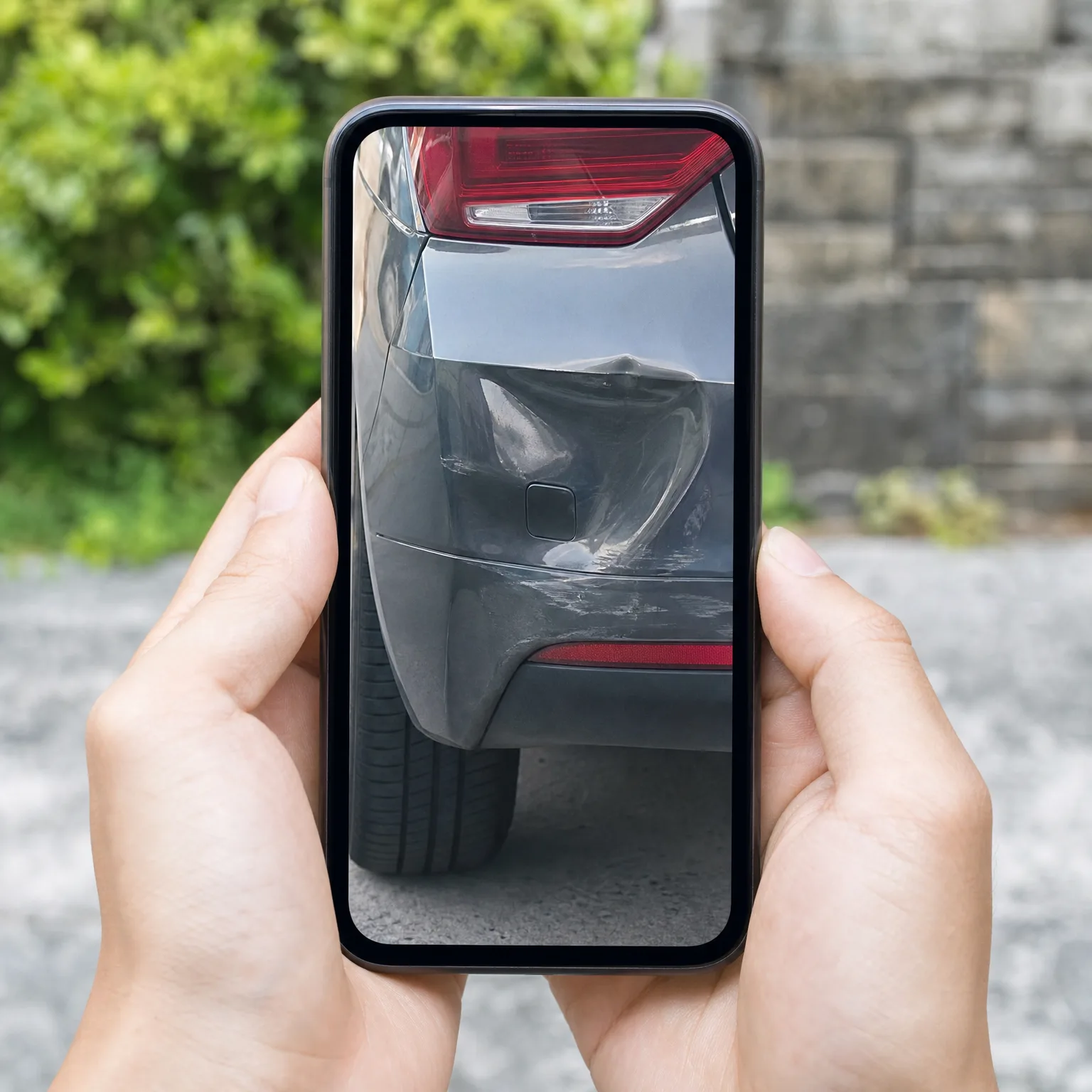
Who Is Liable if Someone Borrows Your Car
In most cases your insurance pays first, because coverage follows the car rather than the driver.
Your policy follows the car, not just you
Car insurance is written to protect the vehicle. When you hand someone the keys, you're extending permission to use something your policy already covers. So if that person causes a crash while driving your car, your insurance is typically the one that responds first, paying for damage and injury up to your limits, before anyone looks at the other driver's own policy.
That said, permission matters a lot. If you said yes, even casually, you're generally covered. If someone took your car without asking, or used it after you told them not to, the situation changes and their own insurance may end up primary instead, with yours stepping in only if theirs isn't enough.
The other driver's policy isn't irrelevant. If the damage or injuries go beyond what your limits cover, their insurance can be asked to pay the remainder, assuming they carry enough coverage of their own. This is where it helps to know what your limits actually are, since a borrowed car crash can get expensive fast.
State rules shape some of this too, especially around who's presumed to have permission and how fault gets assigned. Check how your state and your specific policy define permissive use, because insurers sometimes add their own conditions in the fine print.
What decides who actually pays
- Permission to drive If you gave clear or even casual consent, your policy usually covers the loss first. Say yes out loud, not just by leaving keys around, so there's no confusion later.
- Your coverage limits Your policy pays up to its limits regardless of who was driving. Know your limits before you lend the car, especially if the borrower has little driving experience.
- The other driver's policy If damages exceed your limits, the borrower's own insurance may cover the rest. Ask whether they're insured and roughly what their limits are before handing over keys.
- Excluded drivers Some policies name people who are specifically not covered, even household members. Check your declarations page so you know who's excluded before an accident happens.
- Regular versus occasional use Letting someone drive once differs from them using your car routinely. If it becomes regular, tell your insurer, since frequent use can require adding them to the policy.
Knowing how borrowed-car coverage works, compare quotes that give you limits high enough to lend with confidence.

Deciding whether to let someone drive your car
If you do
You're extending your own coverage to cover them. If they crash, your insurance pays first, your limits apply, and a claim may show up on your record even though you weren't driving. Confirm they're licensed and ask about their own insurance before saying yes.
If you don't
You avoid any risk to your own policy and driving record. But you also skip the chance to help someone who needs a car for work, an emergency or a trip. If you say no, offer to help them find other coverage instead, like a rental or rideshare option.
Does letting someone borrow my car raise my insurance rates?
It can, if they cause an accident while driving with your permission, since the claim is filed against your policy. Your rates may rise at renewal depending on the size of the claim and your insurer's rules. Check your policy for accident forgiveness or claim-free discounts, since those can soften the impact. How often you lend your car and to whom also affects whether an insurer flags it as a pattern worth pricing differently.
Should I add a frequent borrower to my policy?
Yes, if someone drives your car regularly, since insurers expect every regular driver to be listed. Leaving them off can lead to a denied claim if they're in an accident. Check your policy's definition of a regular versus occasional driver, since insurers vary here. If the person has their own car and license, ask your insurer whether listing them changes your premium before deciding.
What if the person I lent my car to doesn't have a license?
Your insurance may deny the claim entirely, since most policies require the driver to be legally licensed. This is one of the clearest ways coverage falls apart. Check your policy wording for licensing requirements before ever lending your car to someone unlicensed. If this happens, you could be personally responsible for the full cost of damages and injuries, not just your policy's share.
The real risk isn't lending your car, it's lending it without knowing your own limits or their license status.