Who Pays if You Crash a Rental Car
Your own car insurance usually pays first for a rental crash, with the rental company's coverage as backup if you need it.
Your policy follows you into the rental car, if you have one
A rental car is just a car you don't own yet. Insurance doesn't treat it as a separate category of risk. If you already carry liability and collision coverage on your own vehicle, that coverage typically extends to a rental car you're driving for personal use. The rental company's counter offer is there to fill gaps, not to replace what you already have.
The real question isn't the rental car, it's whether you have a policy at all yet. If you're insured through your own car or listed as a driver on someone else's policy, that coverage is what responds first when something goes wrong in a rental. If you don't have a policy yet, because you're still deciding how to get insured, the rental counter's coverage becomes your main protection for that trip, and it tends to cost more precisely because it has no history to work from either.
Credit cards sometimes add a layer on top, usually covering damage to the rental car itself after your primary insurance pays out, but they don't cover injuries to other people or their property. Read what your card actually promises before counting on it, because the details vary by card and by issuer.
Where this changes is state rules around minimum coverage and how rental companies are allowed to structure their own offered protection. Some states require the rental company to carry a baseline liability amount regardless of what you decline. Check your state's rule and the rental agreement itself before you assume either one.
Renting a car for a work trip before you're insured
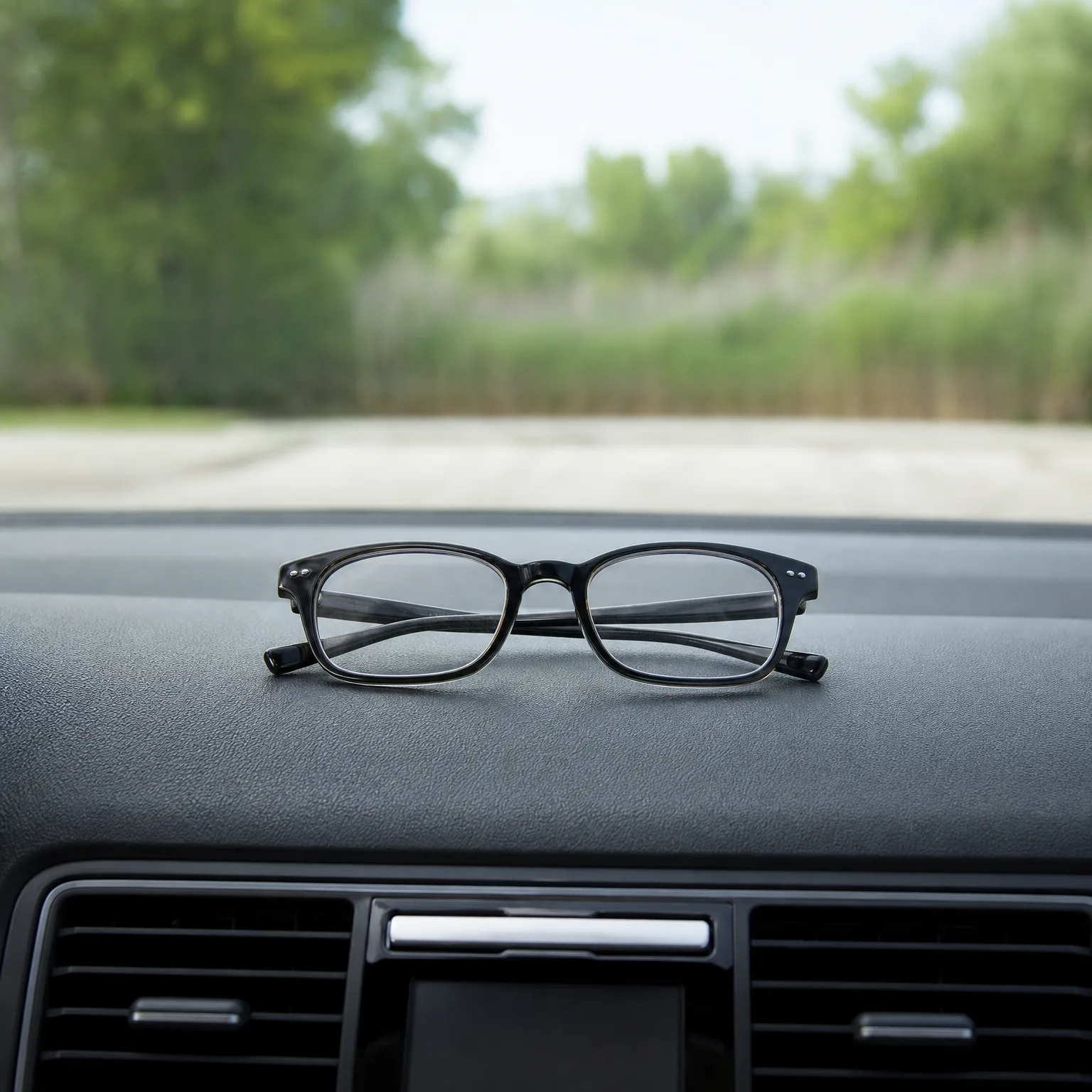
Say you're flying out for a new job's training week and renting a car at the airport, but you haven't bought your own car insurance yet because you haven't needed a car until now. At the counter, you're offered the rental company's protection package. Without a personal policy backing you up, that package becomes your only coverage for the week, so you take it rather than drive uninsured.
The trip goes fine until another driver backs into the rental in a parking lot, denting a door. Because you accepted the rental company's damage coverage, it pays for the repair and you're not personally billed. When you get home, you start shopping for your own policy, since you now know a bare driving record and no insurance made that one week more expensive than it needed to be, and you want coverage in place before the next trip.
A rental car doesn't create new risk, it just reveals whether you already have insurance backing you up.
Once you know whether your own policy covers a rental, compare quotes to get that coverage in place before you need it.
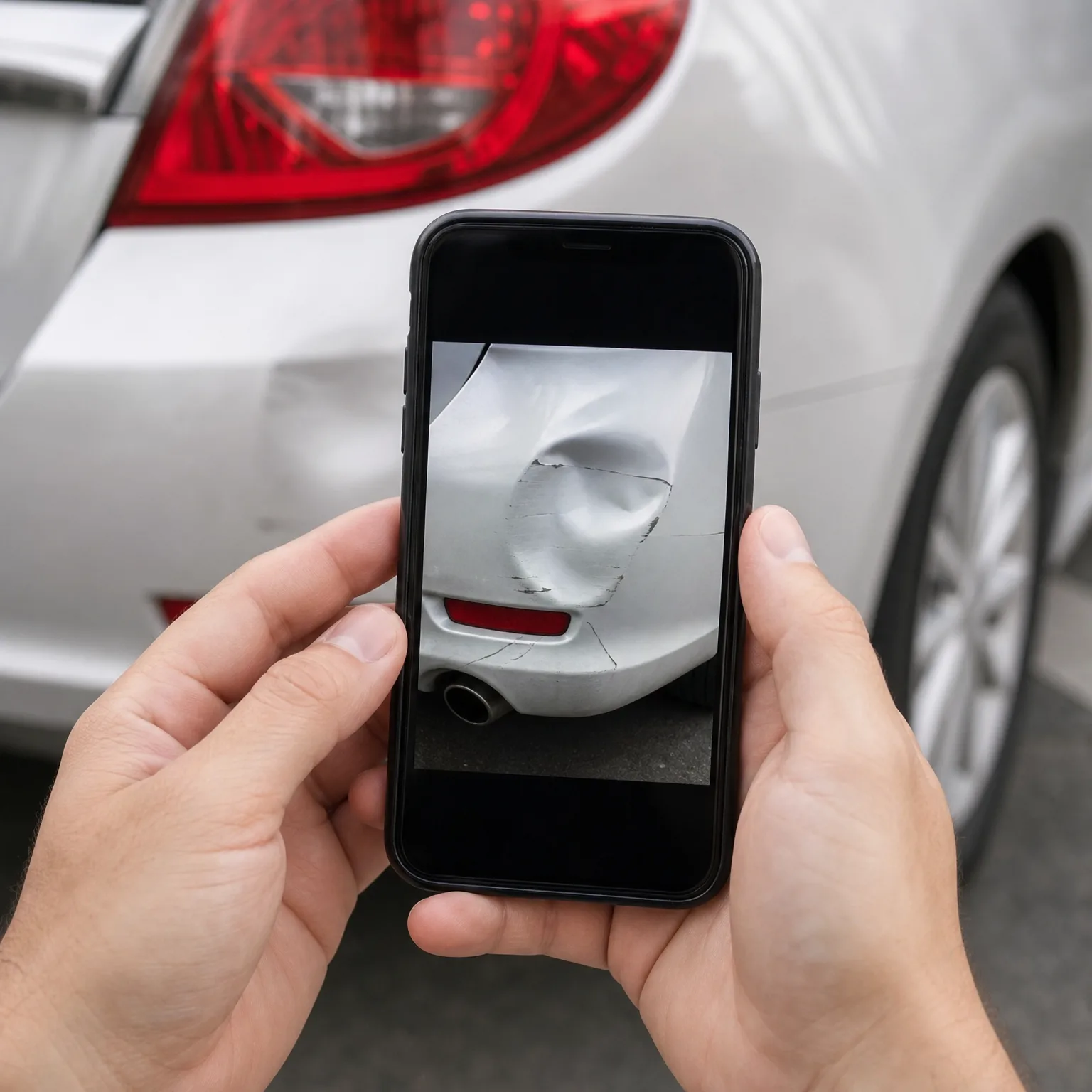
What actually determines who pays after a rental crash
- Your own policy status If you have car insurance already, it likely extends to rental cars you drive for personal trips. If you don't, the rental counter's offer becomes your real coverage.
- Liability versus car damage Liability covers other people and their property. Damage coverage covers the rental car itself. You may need both, and they come from different sources.
- Credit card add-ons Some cards cover damage to the rental car after your main insurance pays first. Check the card's terms before assuming it covers everything.
- State minimum rules States set different baseline requirements for rental company coverage. Check your state's rule so you know what's required versus what's optional.
- Who's actually driving Coverage usually applies to the renter and anyone listed as an approved driver. Letting someone else drive without listing them can leave that person uncovered.
Do I need rental car insurance if I don't own a car?
Yes, you need some form of coverage, because without your own policy to fall back on, the rental counter's protection is what stands between you and paying for damage out of pocket. If you're borrowing a car or driving on someone else's policy regularly, check whether that policy extends to rentals, since some do. If it doesn't, buy the rental company's coverage for that trip rather than skip it, and then prioritize getting your own policy before your next trip.
Will a rental car accident affect my future insurance rates?
It can, once you have a policy of your own, because insurers look at your driving record over time, not just at one trip. An accident while driving a rental, especially one where you were at fault, typically gets reported the same way any other accident would. If you don't have a policy yet, the rental company's own claims history is what's affected, not a personal record you're building. Ask the rental company how they report claims if you're unsure.
Can I rent a car with a brand new driver's license?
Usually yes, but check the rental company's age and licensing rules first, since some set a minimum time you must have held a license. This matters more for a new license than for your age, since rental companies care about experience behind the wheel. If you're turned away or charged extra fees for a new license, that's the rental company's policy, not an insurance rule, and it varies by company.