Whose Insurance Covers if a Friend Drives My Car
In almost every state, your car insurance pays first when a friend drives your car, even if the crash is their fault.
A Friend Borrows Your Car for the Weekend
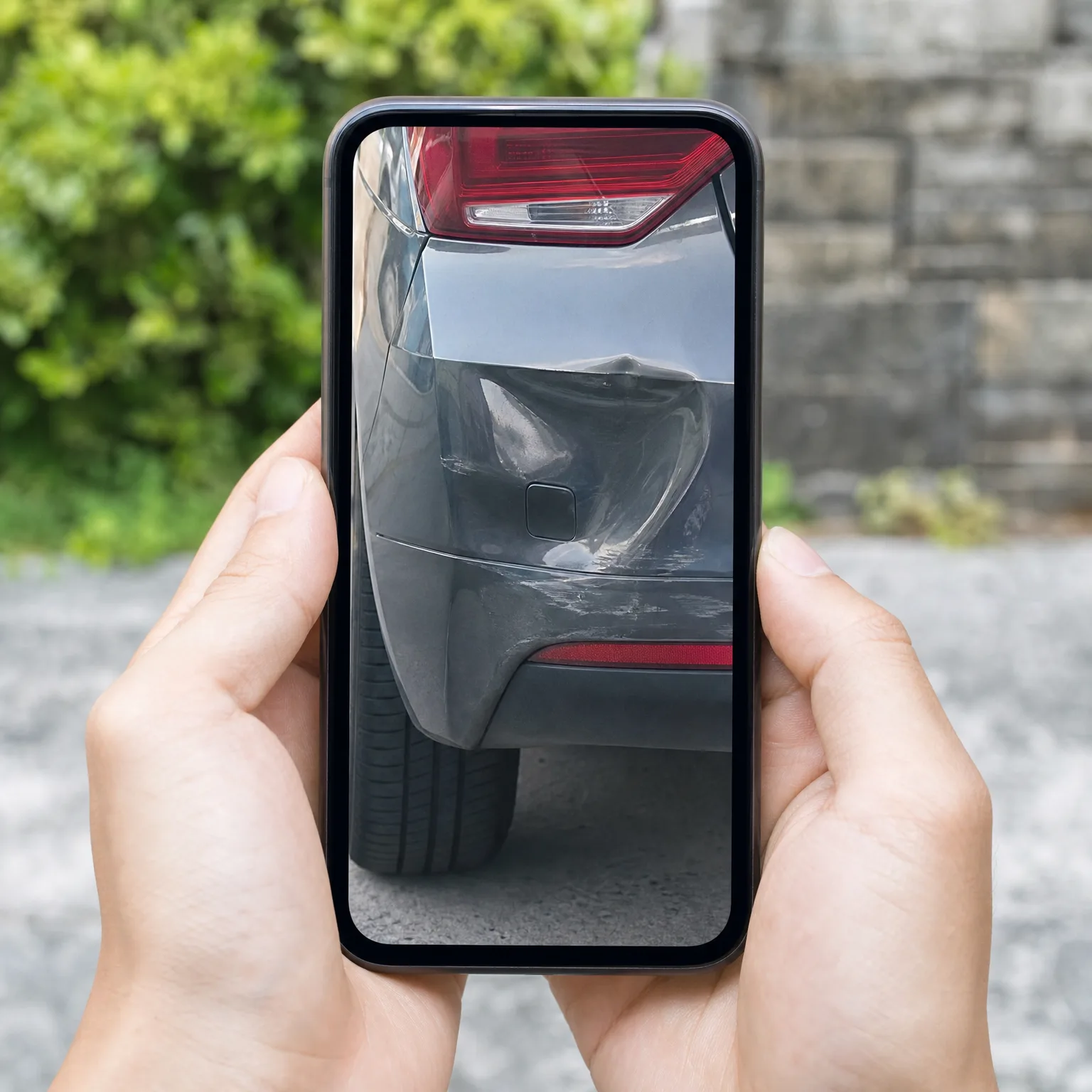
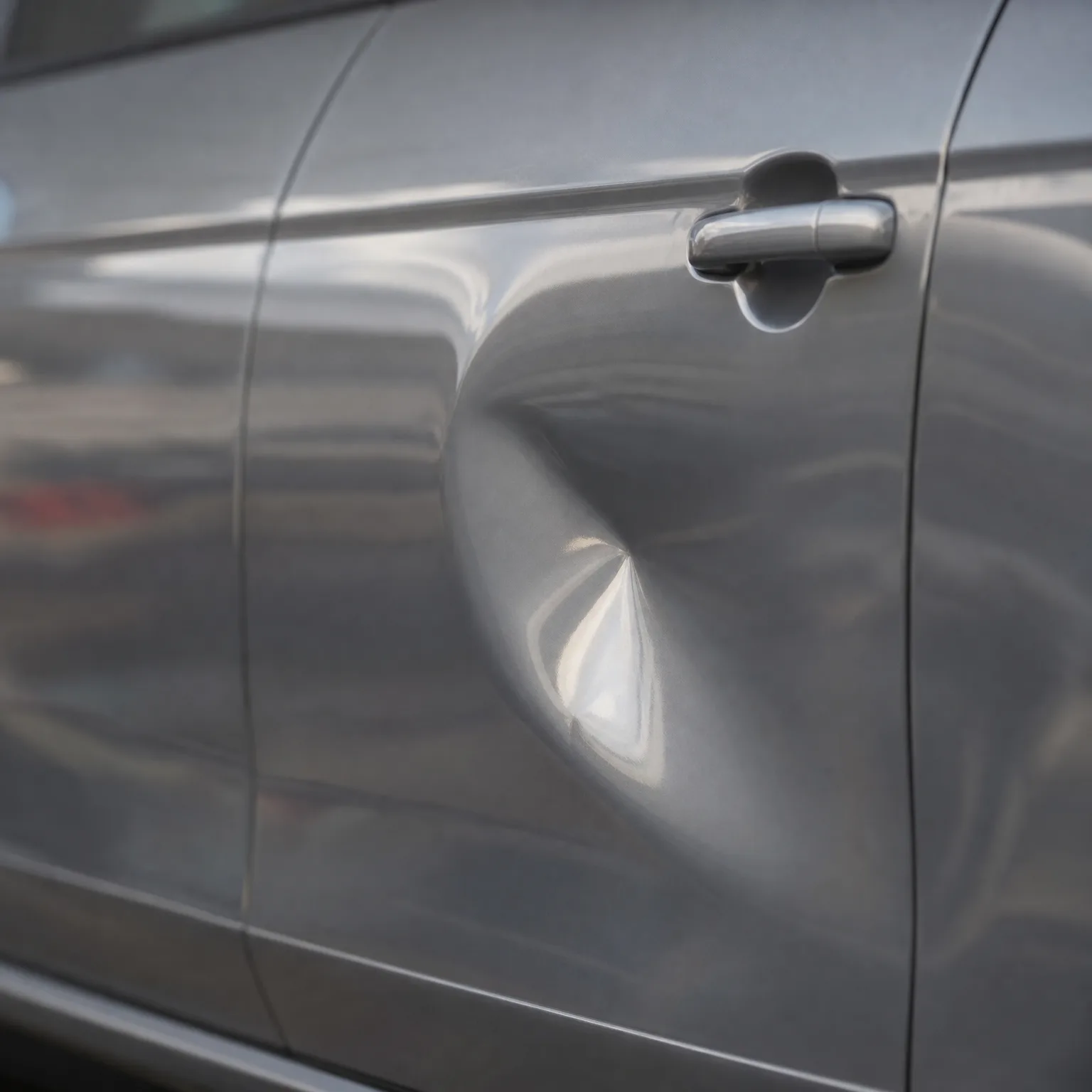
Say a friend asks to borrow your car while their own is in the shop. You hand over the keys without a second thought, since you've let them drive before and nothing's ever happened. A few days later they call to tell you they backed into a pole in a parking lot and the bumper is dented.
Because the car is insured under your policy, your insurer is the one who handles the claim, not your friend's. You'd file it the same way you would if you'd been driving, paying your deductible and letting your collision coverage take care of the repair. Your friend's own insurer only gets involved if the damage costs more than your policy covers, which is rare for a dented bumper. Afterward, it's your record and your rates that may be affected, not your friend's, since the claim lives on the policy attached to the car.
Will my rates go up if my friend causes an accident in my car?
Possibly, since the claim is filed under your policy and treated as part of your claims history, even though you weren't driving. Insurers generally care about which car was involved and whose policy paid, not who was behind the wheel at the time.
Whether your rate actually increases depends on the size of the claim and your insurer's own rules, which vary. Some insurers are more forgiving of a single claim, especially if your record is otherwise clean. If you lend your car often, it's worth asking your insurer directly how claims from other drivers are treated, since that policy can differ a lot from one company to the next.
The insurance follows the car, not the driver, so lending your keys means lending your coverage too.
Now that you know your policy covers whoever drives your car, compare quotes to make sure that coverage holds up.
Coverage Is Tied to the Car, Not the Person Driving It
Car insurance is built around the vehicle. When you buy a policy, you're insuring that specific car against damage and liability, and the policy generally extends to anyone you allow to drive it. This is why your friend doesn't need their own insurance to legally drive your car. Your policy already covers them as long as they have your permission and a valid license.
This setup exists because insurers need one clear policy to respond first after an accident, rather than sorting out whose coverage applies before anyone can get repairs started. Assigning coverage to the car keeps that process simple. The driver's own insurer only becomes involved as a backup, usually when damages are large enough to exceed what your policy pays.
There are exceptions worth knowing. If someone drives your car without asking, that's not permissive use, and your insurer may deny the claim entirely. If your friend lives with you and drives regularly, some insurers expect them to be listed on your policy, and not listing them can cause problems later. And if your friend uses your car for work, like deliveries, your personal policy likely won't cover that at all, since business use often falls outside a standard policy's terms.
Because these details vary by insurer and by state, it's worth checking your policy's language on permissive use and any exclusions for excluded drivers or business use. That's the fastest way to know exactly where your coverage starts and stops.

Does my friend's insurance ever pay instead of mine?
Only if your coverage runs out first. If the damages exceed what your policy pays, your friend's own insurer may step in to cover the rest, acting as secondary coverage. This is uncommon for everyday accidents but matters for serious crashes. Check your policy's liability limits so you know roughly where that gap could appear.
Can I just add my friend to my policy for one day?
Most insurers don't offer single-day coverage, but many let you add someone temporarily for an occasional loan. If your friend borrows your car often, ask your insurer whether a short-term endorsement or listing them as an occasional driver makes sense. This varies by company, so it's worth a direct call before lending your car regularly.
What if my friend doesn't have a license at all?
Letting an unlicensed person drive your car usually isn't covered, since permissive use typically requires a valid license. If they crash, your insurer could deny the claim and you'd be responsible for the damage yourself. Always confirm a friend's license is valid and current before handing over your keys.