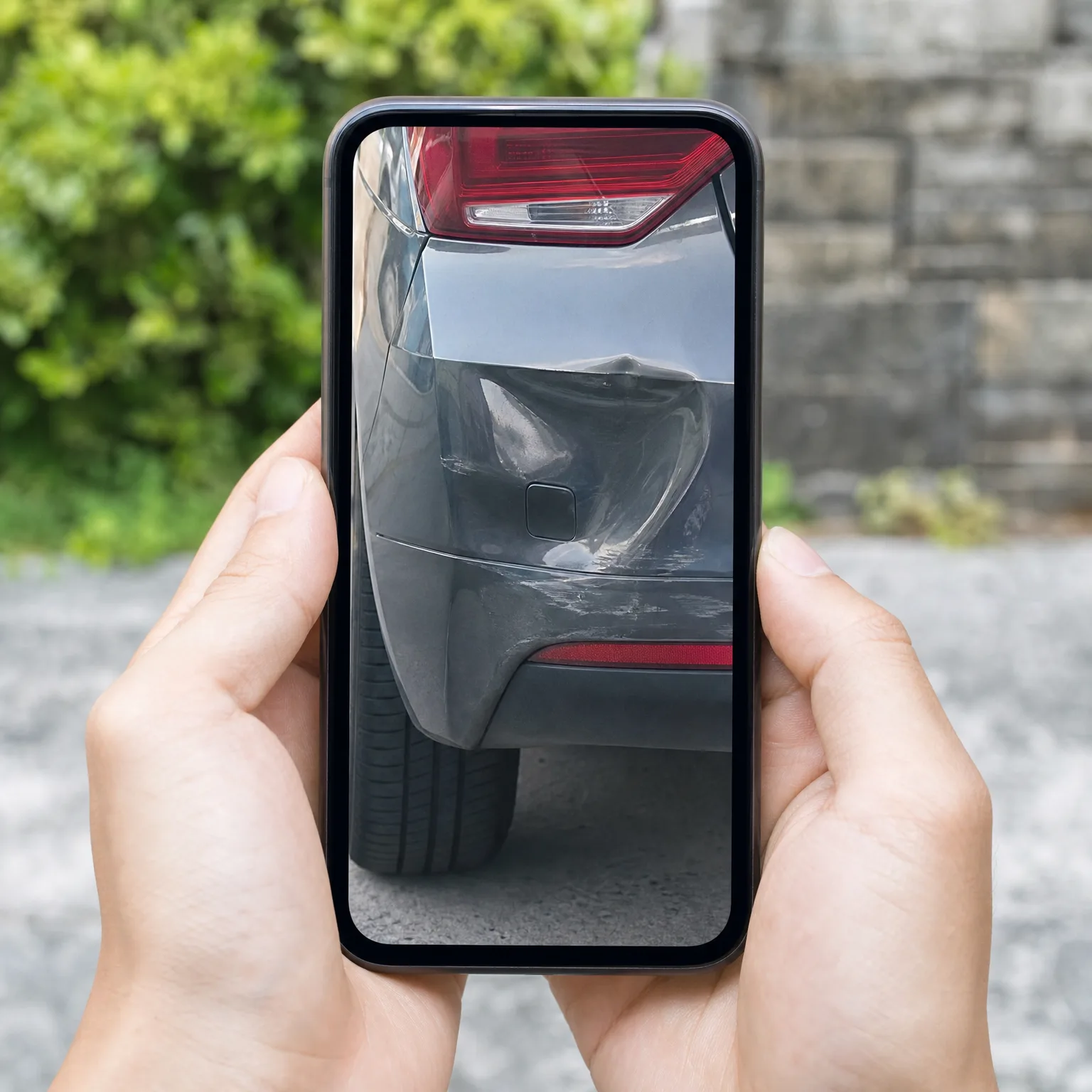
Whose Insurance Pays if You Borrow a Car
The car owner's insurance pays first, and your own policy only steps in if the damage costs more than their coverage allows.
Coverage follows the car, not the driver
Car insurance is built around the vehicle, not the person behind the wheel. When you borrow someone's car with their permission, their policy is the one that responds first if you cause an accident. This is true almost everywhere, because insurers underwrite a specific car based on its value, its typical use and its registered owner, and that coverage travels with the car regardless of who is driving it that day.
Your own insurance does not disappear in this situation. It becomes a backup. If the accident costs more than the car owner's liability limits can cover, your policy can pay the remaining amount, assuming you carry enough coverage yourself. This is why having decent liability limits on your own policy matters even if you rarely drive your own car.
There are situations where this order changes. If you drive the car regularly, some insurers expect you to be listed on that policy, and if you're not, they may reduce or deny a claim. If you took the car without permission, the owner's insurer may refuse to cover the loss at all, and then responsibility shifts to you directly. State rules on permissive use and household member exclusions also vary, so the exact outcome depends on the policy language and where the policy was written.
The practical result is that borrowing a car occasionally, with permission, is usually low risk for you. But if borrowing becomes routine, you're stepping into a gray area that insurers watch closely, and that's when it's worth checking the policy directly instead of assuming.
What actually determines who pays
- Permission matters most If the owner said yes, their insurance is first in line. If you took the car without asking, that protection may vanish entirely.
- Your limits matter too If damages exceed the owner's coverage, your own liability limits fill the gap. Check that your limits aren't bare minimum.
- Frequency changes the rules Occasional borrowing is usually fine. Regular use may require being added to the owner's policy to avoid a denied claim.
- Household exclusions exist Some policies exclude relatives living with the owner unless they're listed. Ask the owner to check this specifically.
- State rules differ How permissive use is treated can vary by state and by insurer. Confirm the details with the owner's insurance company.
Assume the coverage is thinner than you think, and ask before you drive, not after something happens.
Once you know how your coverage backs up someone else's, compare quotes that give you solid limits of your own.

Do you ask the owner about their coverage first
If you do
You find out their liability limits, whether you're excluded as a household member, and whether they're comfortable with you driving regularly. If something goes wrong, you both know what's covered and what isn't, and there are no surprises when a claim gets filed.
If you don't
You assume everything is fine until an accident happens. Then you discover the owner's limits are low, or you're excluded entirely, and you're personally on the hook for costs neither policy expected to pay. By then it's too late to fix it.
Do I need my own car insurance if I don't own a car?
Yes, if you drive other people's cars with any regularity. A non-owner policy gives you liability coverage that follows you, not a specific car, so you're protected even when the car owner's policy falls short. It also helps you build a driving record, which lowers your rates later. Check with insurers in your state, since non-owner policies aren't offered everywhere in the same way, and ask specifically what it covers before assuming it matches a regular policy.
What happens if I crash a borrowed car and have no insurance myself?
The owner's policy still pays first, up to their limits, since coverage follows the car. But if damages exceed those limits, you become personally responsible for the rest, and without your own policy there's no backup. This can mean paying out of pocket or facing legal action. It's worth getting at least a basic liability policy before borrowing cars regularly, so you're not exposed if a bigger accident happens.
Can I be added to someone else's car insurance temporarily?
Usually yes, but it depends on the insurer and how long you need coverage. Some let you add a driver for a short period, especially if you're borrowing the car for a trip or an extended stay. Others only offer permanent additions. Ask the owner to call their insurer directly and explain the situation, since the answer changes based on the company and sometimes the state the policy was written in.