Why Is My Anxiety So Bad on the Highway
Highway anxiety usually comes from unfamiliarity and the stakes feeling higher, not from any real lack of skill.
Your nervous system is reacting to speed and commitment, not danger
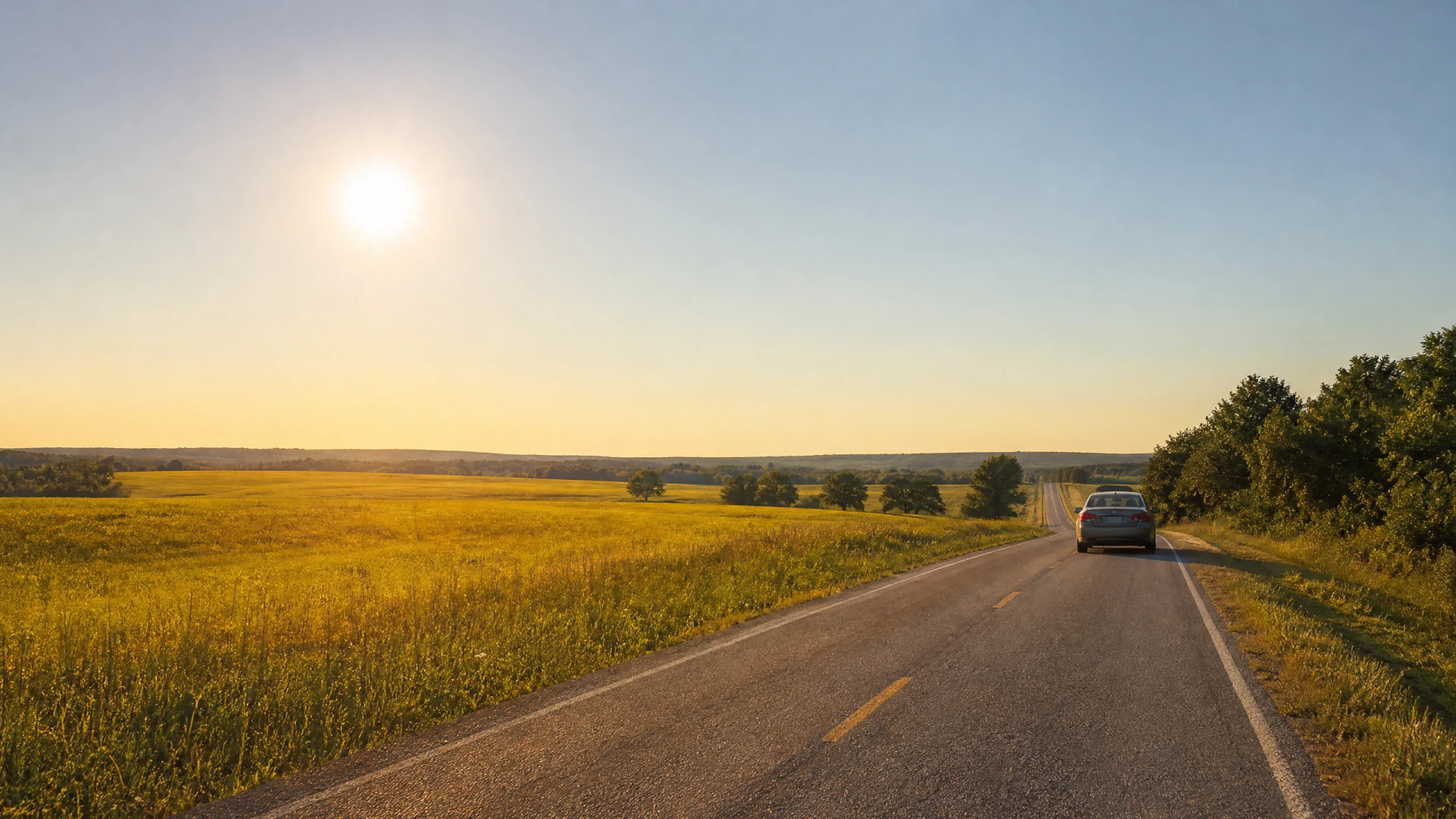
Highway driving asks your brain to process more information at once than almost any other kind of driving. Speeds are higher, decisions happen faster, and merging means judging gaps while moving instead of from a stop. If you're newer to driving, you haven't built the automatic responses that experienced drivers rely on without thinking, so everything feels like it needs conscious effort. That effort reads to your body as threat, which is where the anxiety comes from.
There's also the commitment factor. On surface streets you can pull over, slow down, or take a different route almost anywhere. On the highway, once you're in, you're often locked into the flow for miles before the next exit. That lack of an easy out is something anxious brains react to strongly, even when nothing is actually wrong.
If you came to driving later, there's an added layer. You've had years of watching other people handle high speed situations in cars, as a passenger, without ever having to perform the task yourself. Now you do, and your brain doesn't yet have a library of times you've done this successfully and been fine. That library is what calms the reaction down, and it only builds through repetition.
Where this plays out differently is if the anxiety is severe enough to affect your breathing, vision, or ability to keep the car steady. That's not just inexperience anymore, and it's worth mentioning to a doctor. For most newer drivers though, the anxiety is a normal, temporary response to a genuinely demanding task, and it fades with exposure.
A driver who avoided the highway for months
Someone who got their license at thirty found every reason to avoid the highway, taking longer surface routes even when it cost them an extra twenty minutes each way. The anxiety wasn't really about safety. It was about not knowing what merging would feel like at real speed, and not wanting to find out with other cars around.
They ended up practicing on a quiet stretch of highway during a low traffic time, with someone experienced in the passenger seat who could talk them through the merge without taking over. They did one on ramp and one off ramp, repeated a few times, before trying a full trip. The first full highway drive was still tense, but it was no longer the unknown. A few more trips in, the anxiety had dropped to something manageable, mostly because their body now had actual evidence that merging and driving at speed didn't go wrong.
The anxiety isn't a warning. It's telling you this is still new, and new fades with repetition.
Once you know this is about experience and not risk, you can compare quotes for a policy that fits where you are now.

Whether you keep driving the highway while it's still hard
If you do
You stay anxious for a while, but each trip gives your brain more evidence it was fine. Within weeks to months, most newer drivers report the fear dropping noticeably, especially if they start with quieter times and shorter stretches.
If you don't
Avoiding the highway relieves the anxiety right away, but it tends to grow back stronger the next time you have to try. Longer surface routes become permanent, and the anxiety never gets the chance to fade because it's never challenged.
Will this anxiety ever fully go away or always feel this way?
For most people, it fades substantially, though it may not disappear completely and that's normal. Experienced drivers still feel a flicker of alertness merging into fast traffic or driving through a sudden downpour. What changes is the intensity and how long it lasts. Instead of a sustained, whole body sense of dread, it becomes a brief spike of focus that passes once you're settled into the flow of traffic.
The timeline varies a lot by person and by how often you're able to practice. Someone driving the highway several times a week will likely notice a real difference within a couple of months. Someone who only hits the highway occasionally will take longer, simply because there's less repetition to build on. If the anxiety isn't easing at all after consistent exposure over a longer stretch of time, or if it's getting worse instead of better, that's a sign to talk to a doctor rather than assume more practice will fix it on its own.