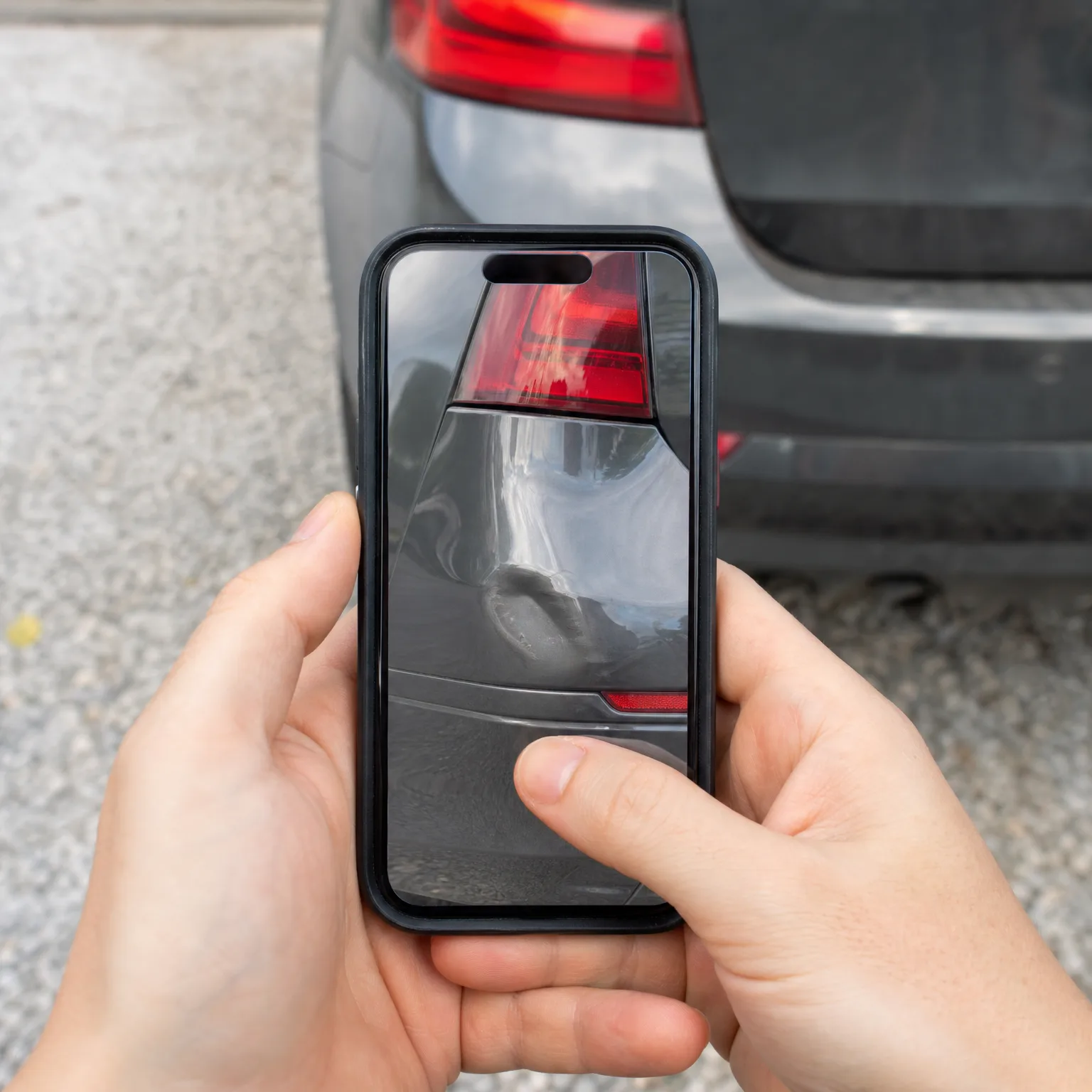
Will 3 Speeding Tickets Affect My Insurance
Yes, three speeding tickets will raise your rate, and the increase gets steeper with each one on your record.
What three tickets actually trigger
- Each ticket stacks on the last Insurers don't average your tickets, they add up the risk. The third one often costs more than the first two combined, so expect a jump, not a small bump.
- You may get labeled high-risk Three tickets in a short window can move you into a higher-risk tier entirely. Ask your insurer directly whether this has happened to you and what it means for your renewal.
- Insurers can decline renewal Not all insurers will keep you after three violations. Check your policy terms now and start comparing quotes before your renewal date arrives.
- The tickets don't vanish quickly Most insurers look back several years when pricing your policy. Ask specifically how long each ticket will count against you, since this varies by company.
- Where you got them can matter Some states treat multiple speeding tickets more harshly than others, especially if any crossed into reckless driving territory. Check your state's rules on point systems and license consequences.
A driver with three tickets in under two years
A driver picked up one speeding ticket commuting on the highway, another a year later in a work zone, and a third just eight months after that. Each ticket felt small on its own, a result of running slightly late, but together they formed a pattern an insurer could see clearly. At renewal, the price jumped significantly, and the driver didn't understand why it felt so much worse than after the first ticket alone.
The driver called the insurer and asked directly what was driving the increase. It turned out the third ticket had pushed them into a different pricing tier altogether, not just added another small surcharge. The driver then shopped quotes from a few other companies and found one that weighted recent driving less heavily than their current insurer did. Switching saved a meaningful amount, though the driver also committed to driving more carefully, knowing a fourth ticket could mean losing affordable coverage entirely for a while.
Will my insurance company drop me after three speeding tickets?
It's possible, but not guaranteed. Insurers set their own thresholds for how many violations they'll tolerate before declining to renew you, and three tickets puts you close to or over that line for some companies, while others will keep you and simply raise your price.
The only way to know for certain is to check your specific policy terms or call your insurer and ask plainly whether your record puts you at risk of non-renewal. If you're worried, it's worth shopping quotes now rather than waiting for a renewal notice to tell you the answer. Having a backup option ready means a non-renewal won't leave you scrambling.
Compare quotes now so you know your options before your current insurer decides for you at renewal.
Why insurers react this way to repeated tickets
Insurance pricing is built around predicting future risk from past behavior. One ticket might be an isolated mistake, but three tickets in a relatively short span tells an insurer something different, that speeding is a pattern rather than an accident. Patterns are what insurers price against, because patterns predict future claims better than single events do.
This is also why the third ticket often costs more than the first two. Many insurers use tiered pricing systems, where crossing a certain number of violations moves you entirely into a new risk category rather than just adding a small increment. You're not just paying for one more mistake, you're being re-sorted into a group of drivers who statistically file more claims.
What varies is how long this follows you and how harshly it's weighted. Insurers differ in how far back they look, how they treat tickets of different severity, and whether they average your violations against the rest of your driving history. Some companies specialize in working with higher-risk drivers and price more reasonably for this exact situation, while others simply won't keep you at a workable price. This is why shopping around after multiple tickets often matters more than it did after just one.
Your state also plays a role, since point systems and license consequences differ in how they classify repeated speeding violations. Check your state's specific rules, because what counts as a minor pattern in one place might trigger license review in another, and that can affect insurance pricing indirectly too.

How long do speeding tickets stay on my insurance record?
It depends on your insurer and sometimes your state, so there's no single answer. Most insurers look back a period of several years when pricing your policy, but the exact window varies by company. Call your insurer directly and ask how far back they look at violations, since this determines when your rate might improve again.
Can I take a defensive driving course to lower my rate after tickets?
Often yes, though it depends on your insurer and state. Many insurers offer a discount or point reduction for completing an approved course, and some states require or encourage this option. Check with your insurer first to confirm they recognize the course, and check your state's DMV for which courses qualify before you pay for one.
Will three speeding tickets affect getting insurance for a new car?
Yes, your driving record follows you regardless of which car you're insuring. Adding a new car to your policy means the insurer reassesses your full record at that point, so three recent tickets will factor into the new quote just as they would on your current vehicle. Shopping multiple insurers before you buy can help you find better pricing.