Will a Ticket Raise My Car Insurance
Yes, a ticket will likely raise your rate, and the increase tends to be bigger when you don't yet have years of clean driving to offset it.
A speeding ticket while you're still building a record
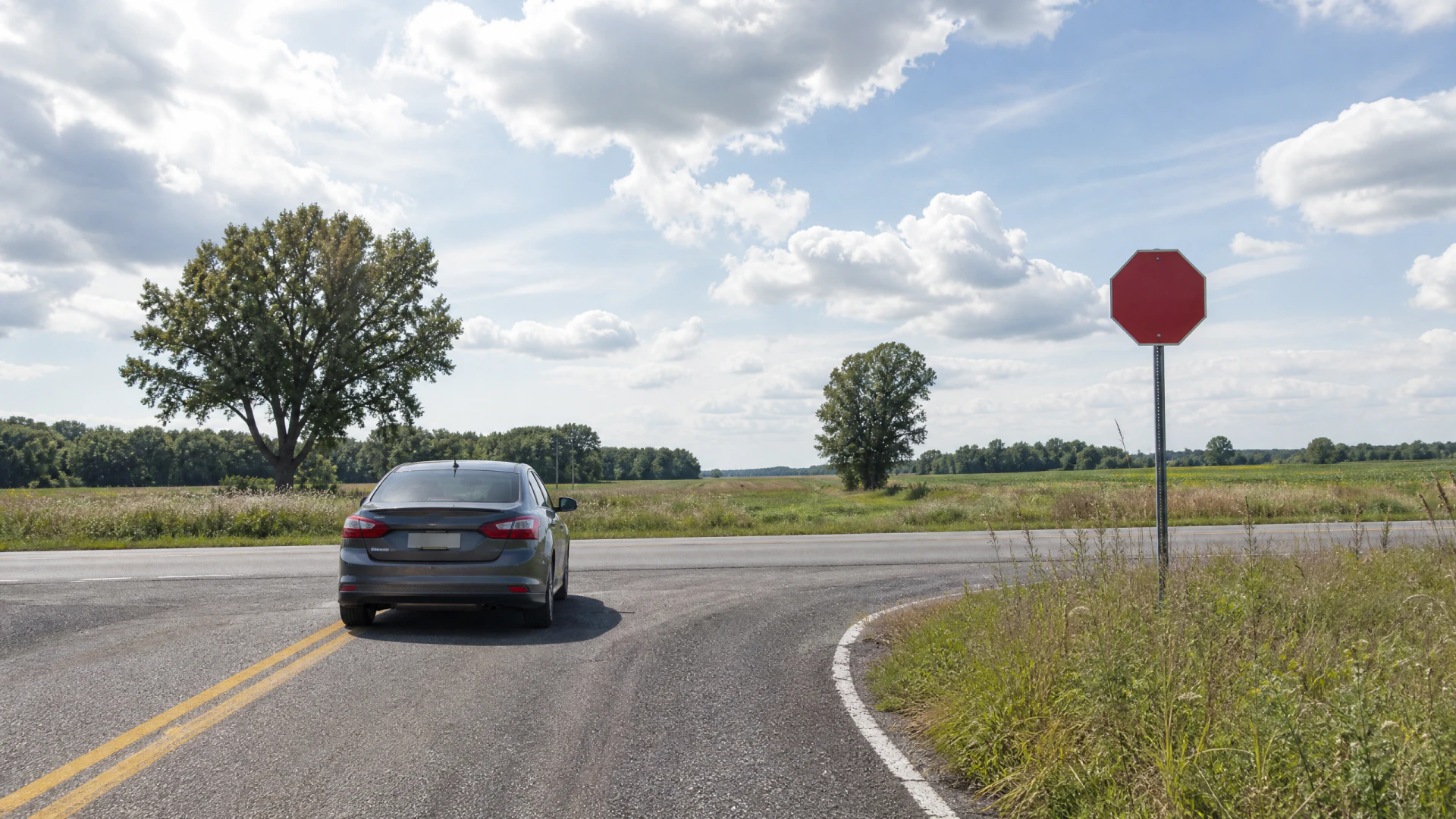
Say you got your license as an adult, bought a car for a new job, and not long after you got pulled over for going a bit too fast on the highway. You paid the fine and figured that was the end of it. Then your policy came up for renewal and the premium had gone up more than you expected, more than a friend's did for the same kind of ticket.
The difference was experience. Your friend had years of clean driving behind the ticket, so the insurer mostly looked at their long record and treated the ticket as one blip. You had very little history, so the ticket was a much bigger share of everything the insurer knew about you. The fix wasn't complicated. You kept driving carefully, didn't add any more violations, and at a later renewal your rate had already started coming back down as your clean driving started to outweigh that one ticket.
How long will this ticket affect my rate?
Most insurers look back a few years when pricing your policy, so the ticket stays relevant for a while, but its effect fades well before it disappears from your public driving record entirely. The exact lookback period depends on your insurer and sometimes your state, so ask directly how long a violation affects pricing rather than assuming.
What matters most for you is that the ticket won't weigh the same forever. Each additional period of clean driving dilutes its effect, because insurers are weighing the whole pattern, not just one event. Since you're early in building that pattern, the most reliable way to shorten the ticket's influence is simply to keep driving without further violations. Time and a clean record do the work together.

Now that you know what this ticket means for your rate, compare quotes to find the fairest price.

Deciding whether to fight the ticket in court
If you do
You spend time and maybe money contesting it. If you win or get it reduced to a non-moving violation, your insurance record may stay clean or less damaged, which matters a lot this early. If you lose, you've paid the fine plus court costs, with the same rate impact as before.
If you don't
You pay the fine, it goes on your record, and your insurer will likely see it at your next renewal. It's faster and avoids court entirely, but you lose the chance to reduce or dismiss something that may follow you for a while given how little driving history you have to offset it.

What actually determines how much this costs you
- Type of violation Speeding, running a light, and reckless driving are not treated the same. More serious violations raise rates more, so check what category yours falls into.
- Your driving history length With little history, one ticket carries more weight because there's less clean driving to balance it. This evens out over time as you add months without incidents.
- Your state's rules Some states limit how insurers use violations or require specific waiting periods before a rate can change. Ask your insurer or state insurance office how this works where you live.
- Timing of your renewal The ticket may not affect your premium until your policy renews, not immediately. Ask your insurer when the ticket will actually show up in your pricing.
- Whether you take a safety course Some insurers reduce the impact of a ticket if you complete an approved driving course. Ask your insurer directly whether this is available and whether it actually helps your case.
Does one ticket mean I'll be in a high-risk pool now?
Not usually from a single minor ticket. High-risk categories are typically reserved for serious or repeated violations, not a single speeding ticket or similar minor infraction. Ask your insurer directly how they classify risk and what would move you into a different pricing tier. If you get a second violation soon after the first, that's when the risk of reclassification goes up, so treat this ticket as a reason to drive extra carefully for a while.
Should I switch insurers now or wait until the ticket drops off?
Compare quotes now, because insurers weigh the same ticket differently and switching costs you nothing. Waiting means paying a possibly inflated rate for longer with no guarantee your current insurer treats you better than a competitor would. Get quotes at your next renewal regardless, and keep doing so periodically, since your clean record will keep improving your options whether you switch or stay.
Will my rate go back down automatically or do I need to ask?
It typically adjusts automatically as your record ages and the ticket moves further into the past, but this varies by insurer. Check with your insurer about when reviews happen and whether you need to request a reassessment. Don't assume silence means nothing has changed. Asking directly, especially after a year or two of clean driving, can sometimes get you a better rate sooner than waiting passively for the system to catch up.