Are Older Cars Easier to Steal
Yes, older cars are often easier to steal because they lack the electronic immobilizers and rolling-code security built into newer models.
Choosing a daily driver after a close call nearby
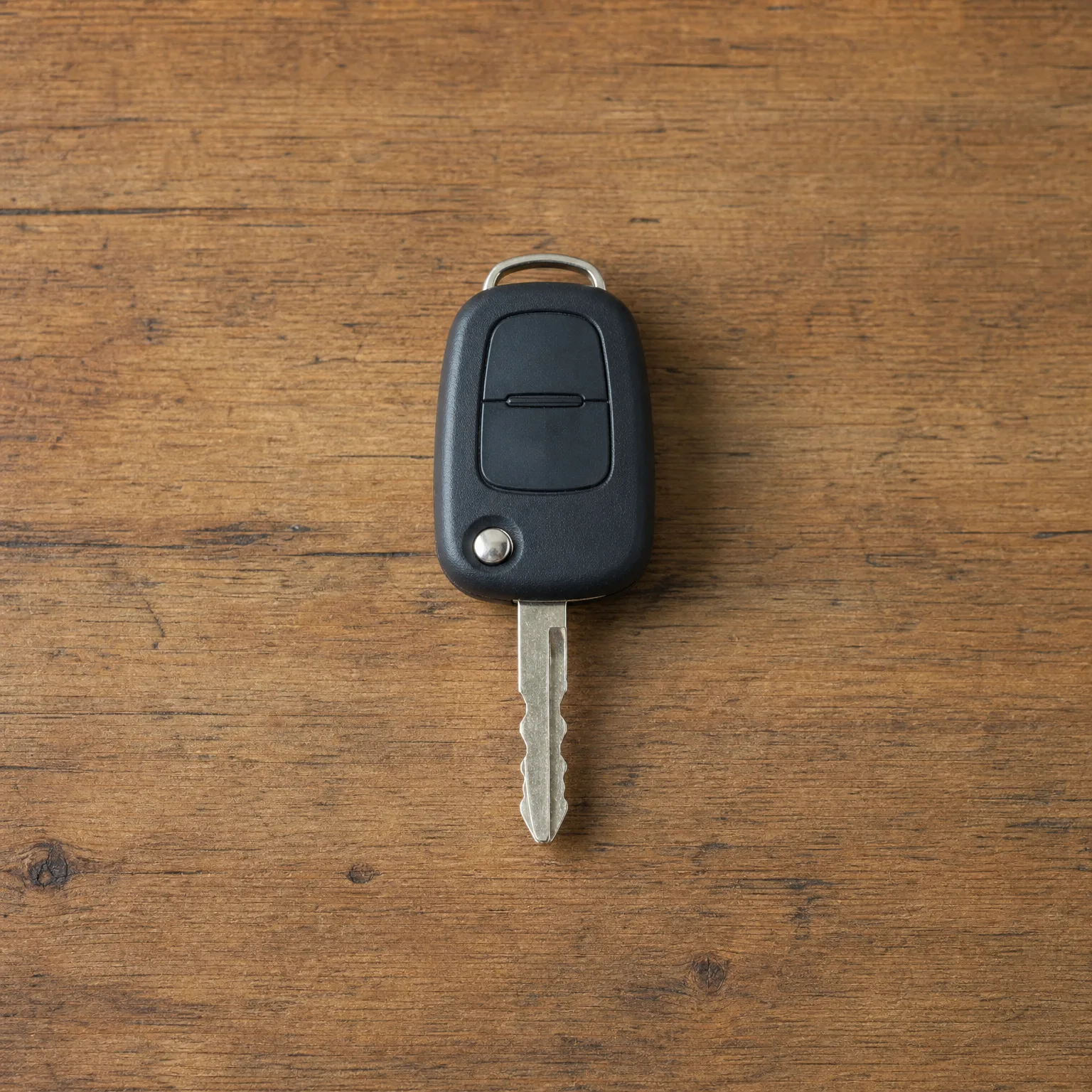
You're picking between two used cars in the same price range, an older model and one from a few years ago. A coworker just had their older car stolen from the parking garage you both use, and it made you look harder at how that model gets targeted. You check and find the older car uses a basic key and no immobilizer, while the newer one requires a chip-matched key to even start.
You ask your agent how that difference shows up in a quote, and it does, modestly but noticeably, because theft claims factor into the price. You go with the newer car, park it under a light when you can, and skip the add-on alarm since the immobilizer covers the main risk. A year later, your coworker's replacement car is a newer model too, and both of you compare notes on how much calmer you feel leaving it overnight.
Can I make an older car harder to steal?
Yes, and it's worth doing if you're keeping the car. Aftermarket immobilizers, steering wheel locks, and kill switches all raise the effort needed to take the car, and thieves generally move on to easier targets. A tracking device won't stop the theft but helps recovery, which matters for both you and your insurer.
Check with your insurer before buying anything, since some of these devices qualify for a discount and some don't. Ask specifically what they recognize, because the brand and installation method sometimes matter. None of this makes an older car as secure as a new one with a factory immobilizer, but it closes a meaningful part of the gap.

Whether you add anti-theft protection to an older car
If you do
You install a visible deterrent like a steering wheel lock or a hidden kill switch. Thieves looking for a quick, quiet job often skip cars that show resistance. You may also qualify for a small insurance discount, and a tracking device can speed up recovery if the car is taken anyway.
If you don't
Your car stays as easy to take as its original design allows, which for many older models means a competent thief can be in and gone quickly. You're relying entirely on luck, location, and whatever basic lock the manufacturer built in long ago.
Once you know how your car's age affects its theft risk, compare quotes to see what that means for your rate.

What actually makes an older car a target
- No immobilizer Many older cars start with a basic key and no chip verification, a gap newer models closed by design. If yours is one of them, an aftermarket immobilizer closes that gap directly.
- Parts in demand Some older models get stolen for parts rather than joyriding, especially if the model is common and parts are hard to find new. Check if your model has a reputation for this specifically.
- Simple lock cylinders Older door and ignition locks are sometimes easier to pick or bypass than newer electronic systems. A steering wheel lock adds a physical barrier that doesn't depend on the ignition at all.
- Parking spot matters more Without built-in deterrents, location does a lot of the protecting. A garage or well-lit spot meaningfully lowers risk for an older car in a way it barely changes for a newer one.
- Insurance reflects theft data Your premium partly tracks how often your specific model gets stolen in your area. Ask your insurer if your model shows up on any theft-frequency list they use.
Treat your car's security as something you can upgrade, not just a fact about its age.