Check Insurance Quote Before Buying a Car
Getting a quote before you buy tells you the real cost of owning that car, not just the price on the lot.
Two cars, same price, very different quotes
You're choosing between a sedan with a modest engine and a sportier coupe listed for about the same amount. Before signing anything, you ask for quotes on both using the exact trim, year and VIN pattern you're considering. The sedan comes back with a manageable estimate. The coupe comes back noticeably higher, because insurers weigh performance specs, repair costs and theft rates, not just the sticker price.
You take that information back to the decision. The coupe isn't unaffordable, but combined with your new-driver history, the monthly total would stretch your budget more than you expected. You choose the sedan instead, and because you checked first, there's no surprise waiting when you call to actually bind coverage. You also learn, while asking, that the sedan qualifies for a few discounts the coupe didn't, which makes the gap even wider than the quotes alone suggested.
Will the quote I get before buying match what I actually pay?
It will be close, but not guaranteed to be exact. A pre-purchase quote is based on the car's specs and your information as you've given them, so it's a reliable estimate, not a locked-in price.
The final number can shift once the insurer verifies your driving history, confirms the exact VIN, and checks details like where you'll park the car overnight. For someone with a short or new driving record, this verification step matters more, since insurers sometimes adjust once they see the complete file. Still, the estimate you get before buying will tell you which car costs more to insure and by roughly how much, which is the decision you actually need to make at this stage.
Compare quotes on the specific cars you're considering so you can choose with the real cost already in hand.

Whether you get a quote before you sign for the car
If you do
You'll know the insurance cost for each car you're considering before you commit to one. If two cars are close in price but far apart in coverage cost, you'll see that gap in advance and can factor it into which one actually fits your budget, not just your taste.
If you don't
You'll find out the real cost only after you've already bought the car and need coverage to drive it home. If the quote comes back higher than expected, you're stuck either paying it or scrambling to re-shop insurance on a car you already own.
Insurers price the car as much as they price you
A quote before buying works because insurance pricing depends heavily on the vehicle itself, not only on the driver. Insurers look at how expensive the car is to repair, how often that model is stolen, how powerful the engine is, and how it performs in crash tests. Two cars at the same purchase price can carry very different insurance costs because of these factors alone, so checking ahead of time reveals information the sticker price never will.
For someone building a driving record from scratch, this matters even more, because the car's rating and your own file both get factored in together. A car with a lower insurance profile can help offset some of the higher cost that comes with limited driving history. Choosing wisely between two cars you're cross-shopping is one of the few places where you have real control over the final price, since you can't change your years of driving experience overnight.
What varies is how much weight insurers give to any one factor and whether certain discounts apply to a given model or trim. Some insurers weigh safety features heavily, others focus more on repair costs or theft data, and this differs by company and sometimes by state. It's worth checking with more than one insurer, since the same car can be quoted differently depending on what each company prioritizes.
There are cases where the quote before buying won't perfectly predict the final price, mainly when your driving history gets fully verified later or when the car's final specs differ slightly from what you entered. Even so, getting an estimate early gives you a real basis for comparison, which is the whole point at this stage.
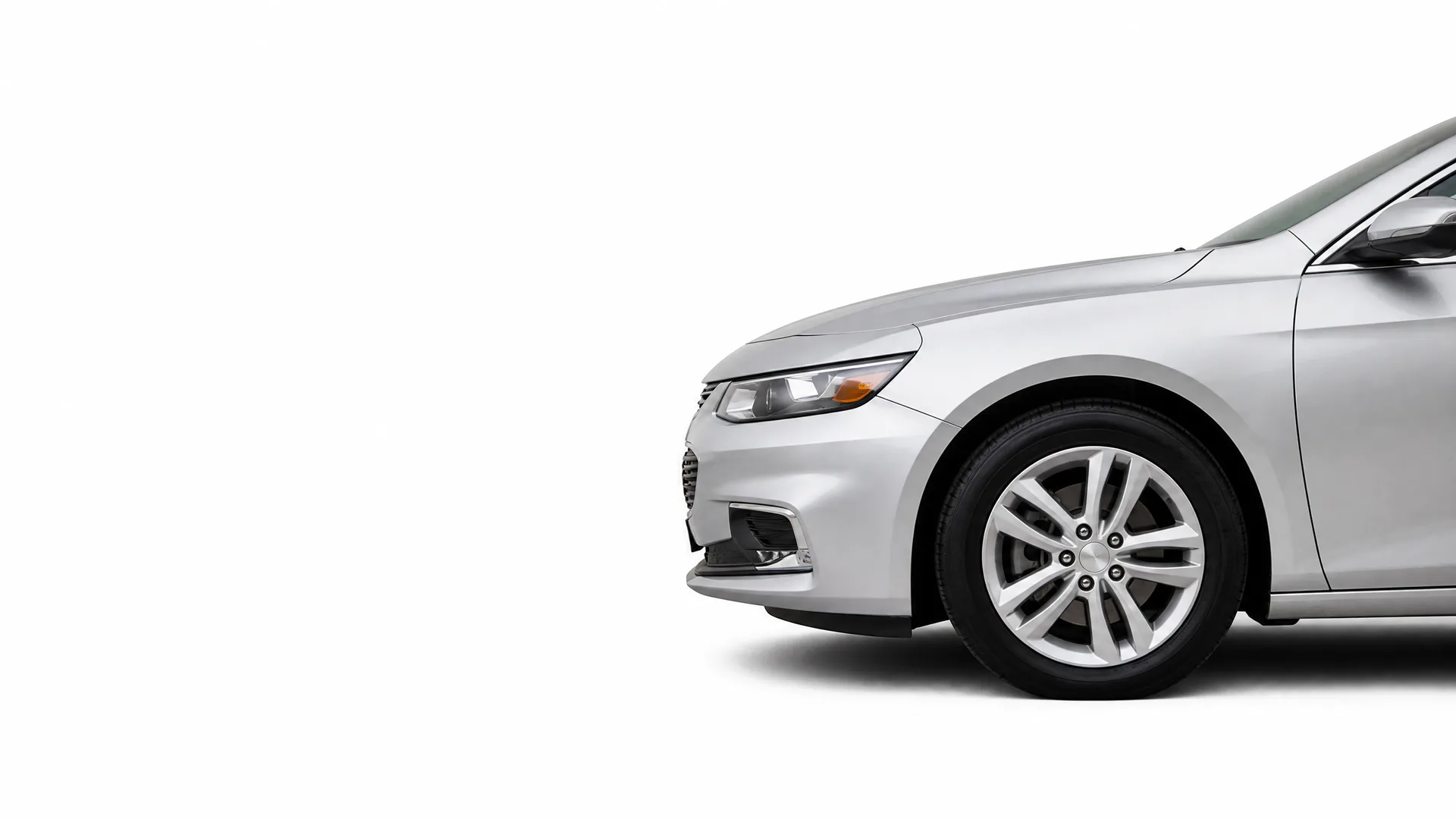
The car you choose changes your insurance cost as much as your driving record does.