Common Reasons Car Insurance Claims Are Denied
Claims get denied when the policy didn't actually cover what happened or the paperwork didn't back up your story.
The most common reasons claims get denied
- Lapsed or inactive policy If your coverage lapsed, even briefly, any accident during that gap isn't covered. Set up automatic payments so a missed due date never turns into a lapse.
- Wrong driver on the policy If someone not listed on the policy was driving, the insurer may deny the claim. Add anyone who regularly drives the car, including a new driver still building experience.
- Excluded use of the vehicle Using a personal car for deliveries or rideshare without the right coverage can void a claim. Tell your insurer how you actually use the car, not just how you think it's classified.
- Late or incomplete reporting Waiting too long to report, or leaving out details, gives the insurer room to question what happened. Report promptly and give the same consistent account to the insurer and any police report.
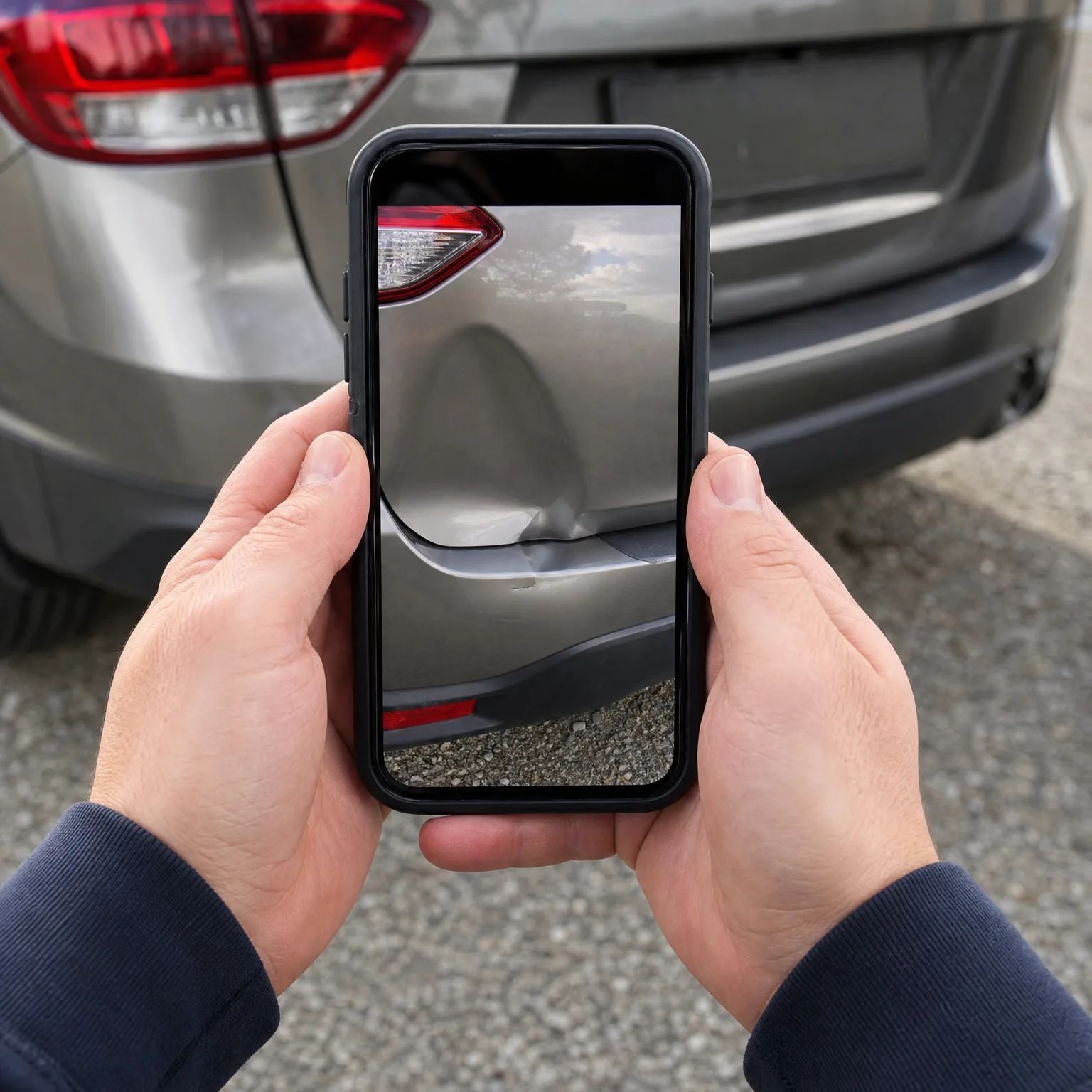
- Missing documentation No police report, no photos, no witness names, means the insurer has only your word. Document the scene before you leave it, even for a minor incident.

The short version
Claims are usually denied because of a gap between what the policy actually covers and what happened, whether that's a lapsed policy, an unlisted driver, or missing proof. As a new driver, keep your policy active, list every regular driver, and document every incident. That turns a denial into a paid claim.

A new driver's fender bender gets questioned
A driver who got his license later in life than most was borrowing his partner's car for a work trip when he backed into a parked car in a lot. No one saw it happen, there was no damage to his own car, and he wasn't sure it was worth reporting. Later, the other owner filed a claim, and the insurer asked him for a statement.
Because he hadn't been added as a driver on his partner's policy, the insurer initially questioned whether coverage applied to him at all. He had to show he lived at a different address and drove the car only occasionally, which took phone calls and a signed statement from his partner. The claim was eventually paid, but it took longer than it should have. Afterward, his partner added him as an occasional driver, which meant any future incident would be covered without question from day one.
Now that you know what gets claims denied, compare quotes for coverage that actually protects you.

Whether you report every incident, even small ones
If you do
You build a documented history with your insurer, so if something bigger happens later, there's no pattern of hidden incidents to question. Small claims may raise your rate slightly, but they rarely get denied outright, and you learn how the process works while the stakes are low.
If you don't
An unreported fender bender can surface later if the other party files, and by then you may not have photos, witnesses, or a clear memory of what happened. The insurer may treat your silence as suspicious, which makes any future claim, even unrelated ones, harder to prove.
Why insurers deny claims the way they do
An insurance policy is a contract that only covers specific situations, and a claim gets denied when what happened falls outside what you agreed to. This isn't usually about punishing you. It's about the insurer confirming that the facts match the terms before they pay out, the same way any contract gets checked before money changes hands.
For a new driver, the biggest risk isn't reckless driving, it's a mismatch between the paperwork and reality. If you're driving a car regularly but you're not listed on the policy, the insurer may argue they never agreed to take on that risk at all. If your coverage lapsed because a payment was missed, the policy legally didn't exist during that gap, regardless of how careful you were driving.
Documentation matters because insurers aren't present when the incident happens. They have to reconstruct it from what you give them, so a missing police report or vague description leaves room for doubt, and doubt tends to favor denial, not payment. This is true everywhere, though exactly what counts as sufficient documentation, and how long you have to report, varies by state and by insurer, so check your specific policy terms.
Where this plays out differently is in minor, no-injury incidents between two cooperating parties, which sometimes get resolved without a formal claim at all. But once a claim is filed, the same underlying logic applies every time. The insurer is checking whether the facts, the people, and the paperwork all line up with what the policy actually promises.