Your First Accident as a New Driver
Your first accident will cost you in higher rates for a few years, but it will not follow you forever or brand you as a bad driver.
Insurers price the risk you showed, not the mistake itself
An accident tells an insurer something they did not know about you yet, which is most of why it matters so much when you are new. A driver with a long, established history has already proven a pattern, so one incident barely moves their price. You don't have that pattern yet, so a single accident carries more weight simply because it is a bigger share of the evidence insurers have about you.
This is why the increase feels so steep even for a minor claim. It is not that you are being punished harder than anyone else. It is that your file is thin, so any new data point changes the picture more. As you add more ordinary, uneventful driving after the accident, that one event becomes a smaller and smaller fraction of your total record, and its weight on your price fades with it.
What varies is how long the increase lasts and how big it is, and this depends on your state and your insurer. Some states limit how much a single accident can raise your rate, and some insurers forgive a first accident entirely if you ask or if you already carry that kind of protection. Check your policy documents or ask your agent directly whether accident forgiveness exists for you, because it is not automatic everywhere.
Who was at fault also changes the math, though not as much as people expect. Even accidents that were not your fault can raise your price in some states, because insurers look at your involvement in claims, not just blame. Ask your insurer directly how they treat not at fault claims before you assume you are protected.

The short version
Your first accident will raise your rate for a few years, not forever, because insurers are reacting to thin data, not punishing you personally. The fix is simply time, driving cleanly afterward rebuilds your record faster than you'd expect. Right after it happens, report it accurately, document everything, and ask about accident forgiveness before you assume the worst.
Will this accident follow me if I switch insurers later?
Yes, for a while. Insurers share access to claims history databases, so a new company will usually see the accident when you apply, even if you've never filed a claim with them before. Switching does not erase it or hide it.
What changes is how much weight each insurer gives it. Some price new applicants more conservatively if there's any recent accident on file, while others focus mainly on your current driving and barely glance at history beyond a year or two back. If you're shopping around after an accident, ask directly how far back they look and how heavily a single incident factors into your price, since this is exactly where insurers differ most.
Compare quotes now that you know this increase is temporary, not a verdict on you as a driver.

Whether you report a minor accident to your insurer
If you do
You file the claim, your insurer handles the damage and any other party involved, and the accident appears on your record. Your rate may rise at renewal, but you're protected if the damage turns out worse than it looked, or if the other driver files a claim later.
If you don't
You pay out of pocket and hope nothing else comes up. If the other driver reports it later or damage appears you missed, your insurer may question why you didn't report it, which can complicate the claim or affect how they treat you going forward.

A fender bender three months after getting licensed
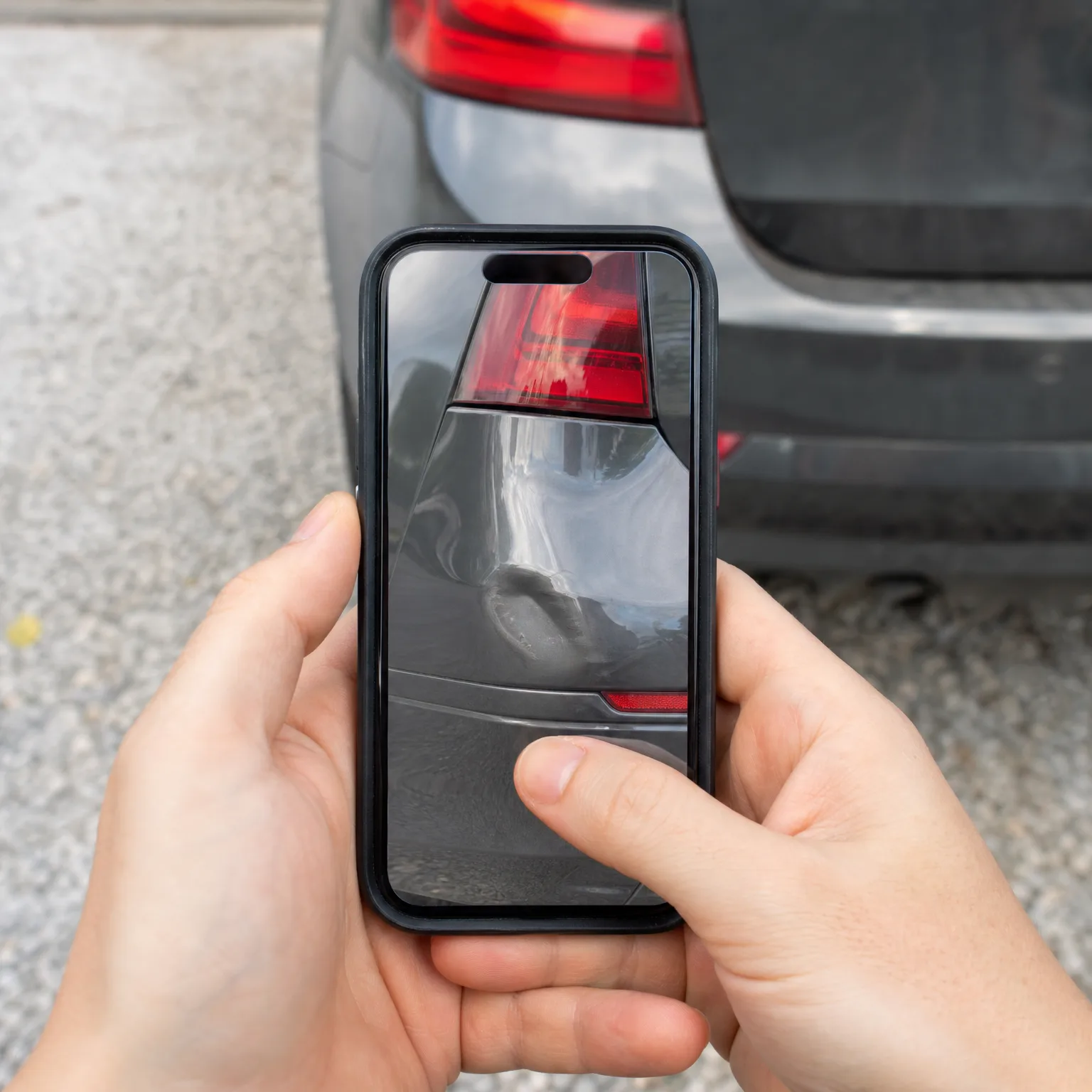
You're new to driving and three months in, you tap the car ahead of you at a stop sign. No one is hurt, but both bumpers show damage. You're not sure if this counts as serious enough to report, and you're worried that calling your insurer will immediately spike your rate, so you consider just paying the other driver directly and moving on.
Instead you call your insurer the same day, describe exactly what happened, and let them open a claim. They cover the repair costs for both cars, and you pay only your deductible. At renewal, your rate goes up, but your insurer also mentions you qualify for a safe driving discount again after a set period with no further incidents. A year later, with a clean record since, your rate has already started coming back down, and you realize the accident is becoming a smaller part of your overall history rather than a permanent mark against you.

This accident is a data point, not a verdict, and it shrinks each month you drive without another one.