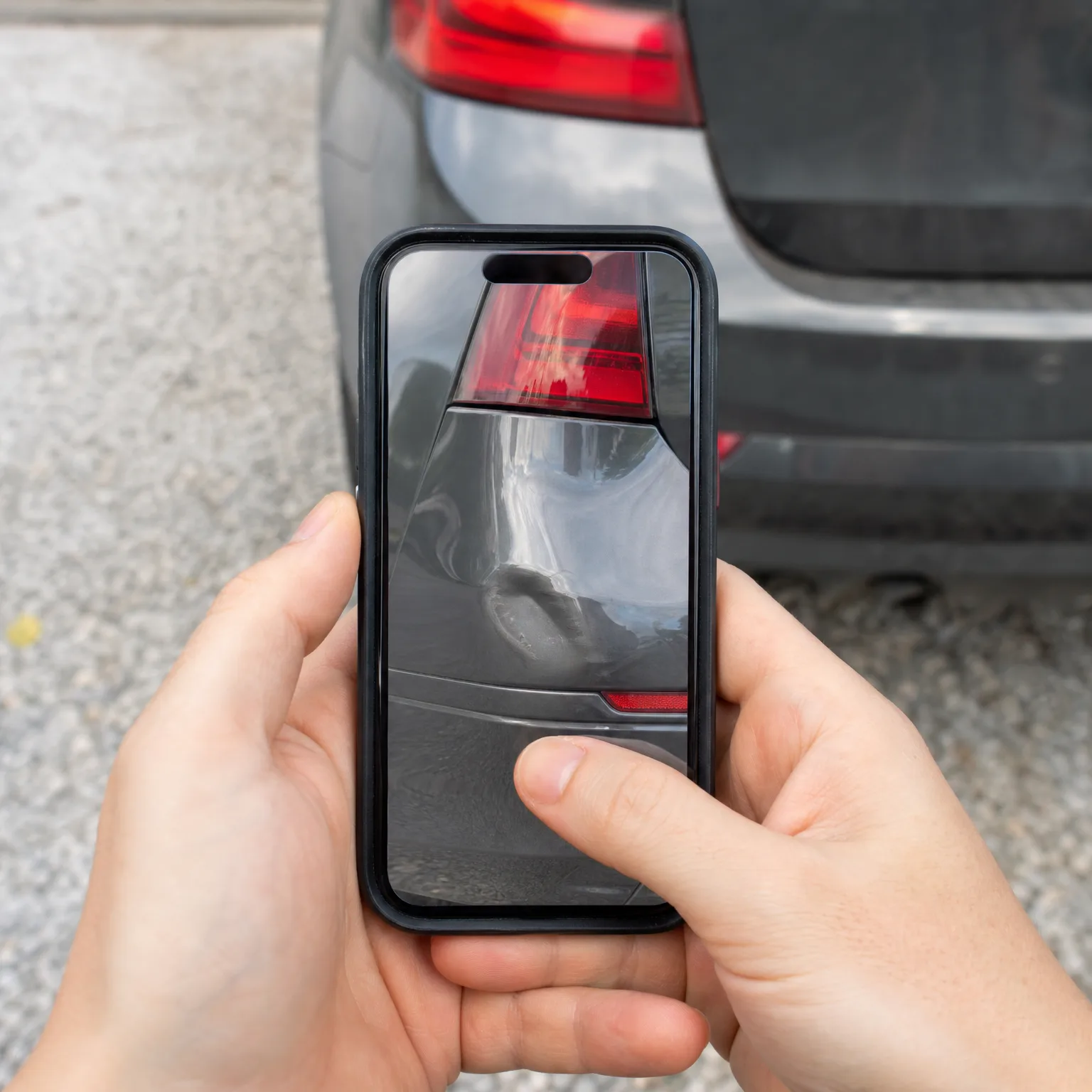
Deductibles for New Adult Drivers
A moderate deductible usually beats the lowest premium, since new drivers are more likely to file a claim while gaining experience.
What to weigh before you pick a number
- Your savings cushion A high deductible only saves you money if you can pay it instantly when a claim happens. Check what you could cover today without borrowing, and don't set the deductible above that amount.
- Your real crash odds New drivers of any age file more claims than experienced ones, so the discount for a high deductible is smaller than it looks. Ask the insurer to show you the premium at two or three deductible levels side by side.
- Comprehensive vs collision These can often have different deductibles on the same policy. If you're parking on the street or driving in bad weather, keep comprehensive lower even if you raise collision.
- How premiums react to claims Filing a claim as a new driver can raise your rate more than it would for someone with years on record. A lower deductible that makes you less likely to skip a small claim can protect your record too.
- State and insurer minimums Some states or insurers set floors or caps on deductible choices. Ask your insurer directly what range they allow before you assume you have full control.
A new driver chooses between two deductible levels
A woman got her first license after years of relying on public transit, then bought a used car when she changed jobs. Shopping for coverage, she saw that raising her deductible from a lower number to a much higher one cut her premium noticeably. She almost took it, since money was tight after the move.
She stopped to check her savings account and realized she couldn't cover the higher deductible without putting it on a credit card. She chose the lower deductible instead, accepting the smaller discount. Not long after, she backed into a post in a parking lot. Because the deductible was within reach, she filed the claim and paid her share immediately, without debt or delay. Her insurer did note the claim at renewal, but she wasn't stuck finding money she didn't have on top of it.
The deductible you can actually afford to pay beats the one that only looks cheaper on paper.
Compare quotes at the deductible level you can actually afford, and see how much a moderate choice really costs you.

Choosing a high deductible to lower your premium
If you do
Your monthly payment drops right away, which helps if money is tight. But if you crash before you've saved enough, you'll owe that full amount at once, sometimes right when you can least afford it, just to get your car fixed or replaced.
If you don't
You'll pay a bit more each month for a lower deductible. In exchange, a claim won't put you in a financial bind, and you're more likely to actually file it instead of paying out of pocket to avoid a rate hike.
Does my deductible affect how much my rate goes up after a claim?
Not directly, but the two interact. A lower deductible makes you more likely to file a claim instead of paying out of pocket, and any claim can affect your renewal rate, especially with little driving history behind you. Ask your insurer how claims as a new driver typically affect renewal pricing, since this varies by company.
Should I pick different deductibles for comprehensive and collision?
Yes, if your insurer allows it, since they cover different risks. Comprehensive handles things like theft or weather damage that aren't your fault, while collision covers crashes, which new drivers are more likely to have. Many new drivers keep comprehensive lower and consider raising collision only once they've saved a cushion.
Can I change my deductible later once I have more driving experience?
Yes, you can usually adjust it at renewal or whenever you update your policy. Once you've built a clean record and more savings, raising your deductible can lower your premium with less risk. Check with your insurer about how often you're allowed to change it and whether changes take effect immediately or at renewal.