Is It Better to Have a Deductible or No Deductible
A deductible almost always beats no deductible, because it lowers your payment every month while you're still building a driving record.
What decides this for you
- Your savings cushion A deductible means you pay a set amount before insurance covers a claim. Only choose one you could pay today without trouble, since a car worth fixing fast matters when you're relying on it for a new job or commute.
- How new your record is With no history yet, insurers already price you as higher risk. Taking a deductible offsets some of that cost while you build a clean record that will bring your rate down over time.
- The car you're insuring An older or cheaper car may not need much collision coverage at all, deductible or not. A newer or financed car usually needs it, so the deductible choice matters more there.
- Who else drives the car If you're on a policy with a spouse or parent, the deductible applies to whoever's driving when a claim happens. Talk through what amount everyone in the household could cover before picking one.
- How you plan to use claims A deductible discourages filing for small dings and dents. If you'd rather pay out of pocket for minor damage anyway, a higher deductible fits how you already plan to drive.
Choosing a deductible as a first-time policyholder
Someone who just got a license after years of using public transit needed to insure a used sedan bought for a new job outside the city. No deductible meant a noticeably higher monthly payment, and the agent explained that choosing one, even a modest one, would bring the premium down right away. The buyer checked their savings, found enough set aside to cover that amount without strain, and chose the deductible instead of paying more every month for coverage that started from nothing out of pocket.
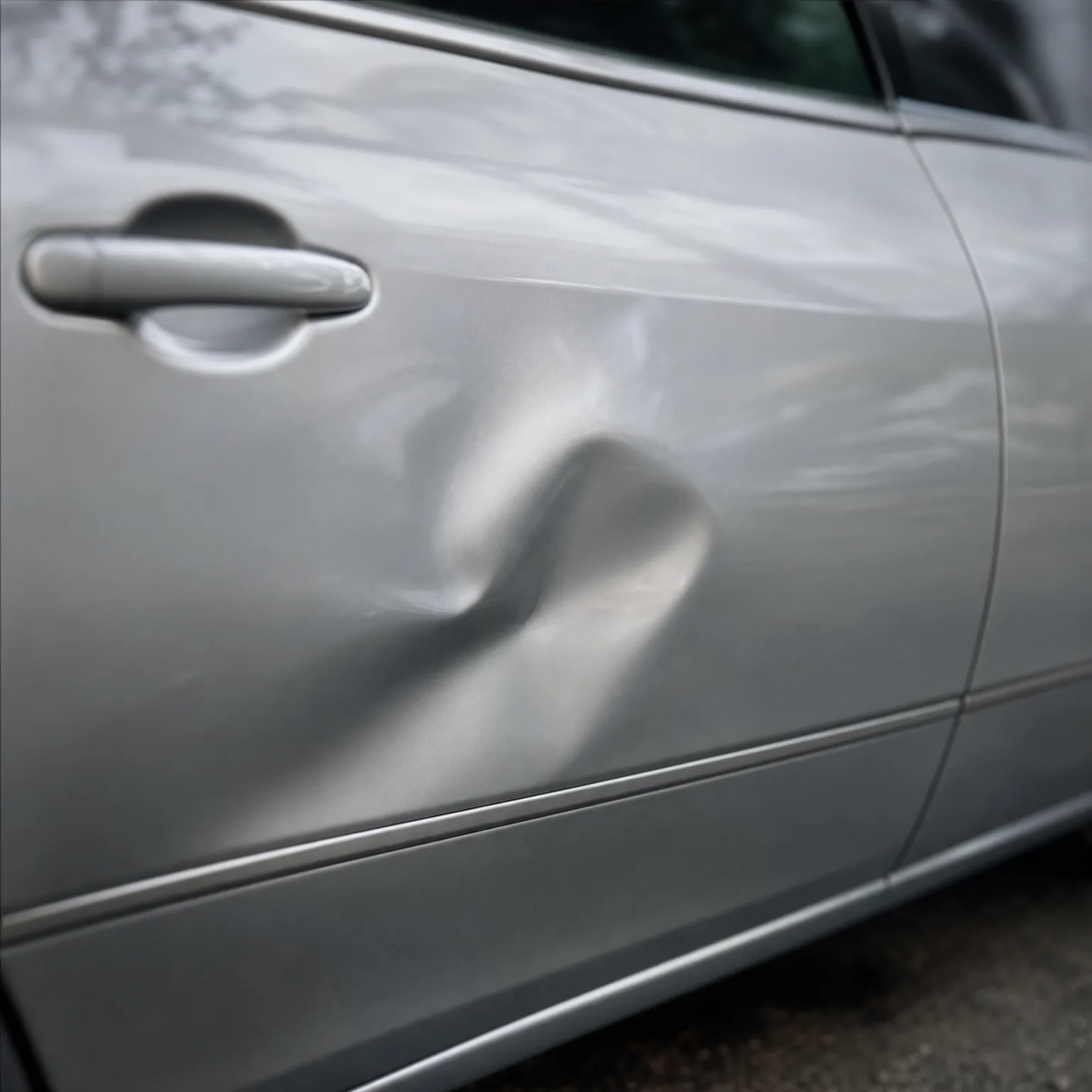
Not long after, a minor parking lot scrape came up. Because the cost to fix it was close to the deductible amount, the buyer paid for the repair directly instead of filing a claim, keeping their record clean. That record is what will lower their rate at renewal. The lower monthly payment from choosing a deductible, combined with not filing a small claim, did more for their long-term cost than having no deductible ever would have.

Now that you know a deductible fits your situation, compare quotes to see how much choosing one actually saves you.
What deductible amount should a new driver actually pick?
Pick the highest amount you could pay in cash today without it disrupting your month, not the highest one offered. For most new drivers building savings while also managing a new car payment, that lands in a moderate range rather than an extreme one in either direction.
Going too high just to chase the lowest monthly payment can backfire if a claim comes up before you've saved enough to cover it. Going too low keeps your payment close to what someone with no deductible pays, without giving you much benefit. The right amount is personal, tied to your actual savings, not to what feels like the most common choice.
Why a deductible almost always works out ahead
Insurance pricing works by splitting risk between you and the insurer. When you take on a portion of that risk through a deductible, the insurer charges less for taking on less. That's true for every driver, but it matters more for you right now because your rate is already higher with no record to prove you're low risk. A deductible is one of the few things you directly control that brings the cost down immediately, rather than waiting years for a clean record to do it.
Underneath this is a simple math question insurers are answering for you. Small claims cost insurers money to process even when the payout is modest, so they price no-deductible policies to cover that administrative cost too. A deductible removes small claims from the equation entirely, which is part of why it lowers the price so reliably.
Where this works out differently is when someone has no savings cushion at all. If paying any deductible would mean not being able to fix the car, the lower monthly payment stops mattering, because you can't use the coverage when you need it. In that case a higher premium with no deductible, or a very low deductible, is the safer choice even though it costs more month to month.
It also works out differently if the car itself is old enough that collision coverage isn't worth carrying. In that case the deductible question may not apply to a large part of your policy at all, and it's worth asking directly what coverage you need on a car like yours.
Can I change my deductible after I already have the policy?
Yes, you can usually change it at renewal or sometimes mid-term, since it's a coverage choice you select rather than something locked in by your record. Check with whoever holds your policy about when changes take effect and whether a mid-term change affects your current premium. As your savings grow or your driving record lengthens, revisiting the deductible is worth doing every year or two.
Does a deductible apply to every type of claim?
No, it typically applies to collision and comprehensive claims, not to liability claims you cause to someone else. Check your specific policy, since what counts as comprehensive, like weather damage or theft, can carry a different deductible than collision does. If you're unsure which deductible applies to a given situation, ask before you need to file a claim, not after.
Will a deductible protect my rate if I cause an accident?
Not directly, since the deductible only affects what you pay toward repairs, not whether the accident appears on your record. What protects your rate over time is avoiding claims when you can and driving without incidents as you build history. A deductible and a clean record work together, but they're solving different parts of the cost.