
Do Insurance Companies Want to Settle Quickly
Yes, most insurance companies want to settle quickly, because a fast settlement almost always costs them less than a slow one.
Speed saves them money and locks in your signature early
An insurance company's first goal after a claim is to close the file for as little as possible. The sooner they settle, the less chance you have to discover injuries that take time to show up, lost wages that pile up, or repair costs that run higher than first estimated. A quick offer is often priced on incomplete information, and that incompleteness benefits the side writing the check.
There's also a legal reason. In most places, once you accept a settlement and sign a release, you give up the right to ask for more later, even if your situation gets worse. Insurers know this, so acting fast protects them from claims that grow. Check how release language works where you are, because what you sign can be final even if your recovery isn't.
This isn't true in every case. When liability is completely clear and damages are simple and already finished, like a minor fender bender with a fixed repair bill, a fast settlement can be fair to both sides. The incentive to delay your own decision matters most when injuries are involved, when treatment is ongoing, or when you don't yet know the full extent of what was damaged or hurt.
Adjusters are also measured internally on how quickly and cheaply they close files. That's not a secret, it's how the job is structured. Knowing that changes how you read a fast, friendly offer. It's not necessarily dishonest, but it is designed to work in their favor more than yours unless you slow it down.
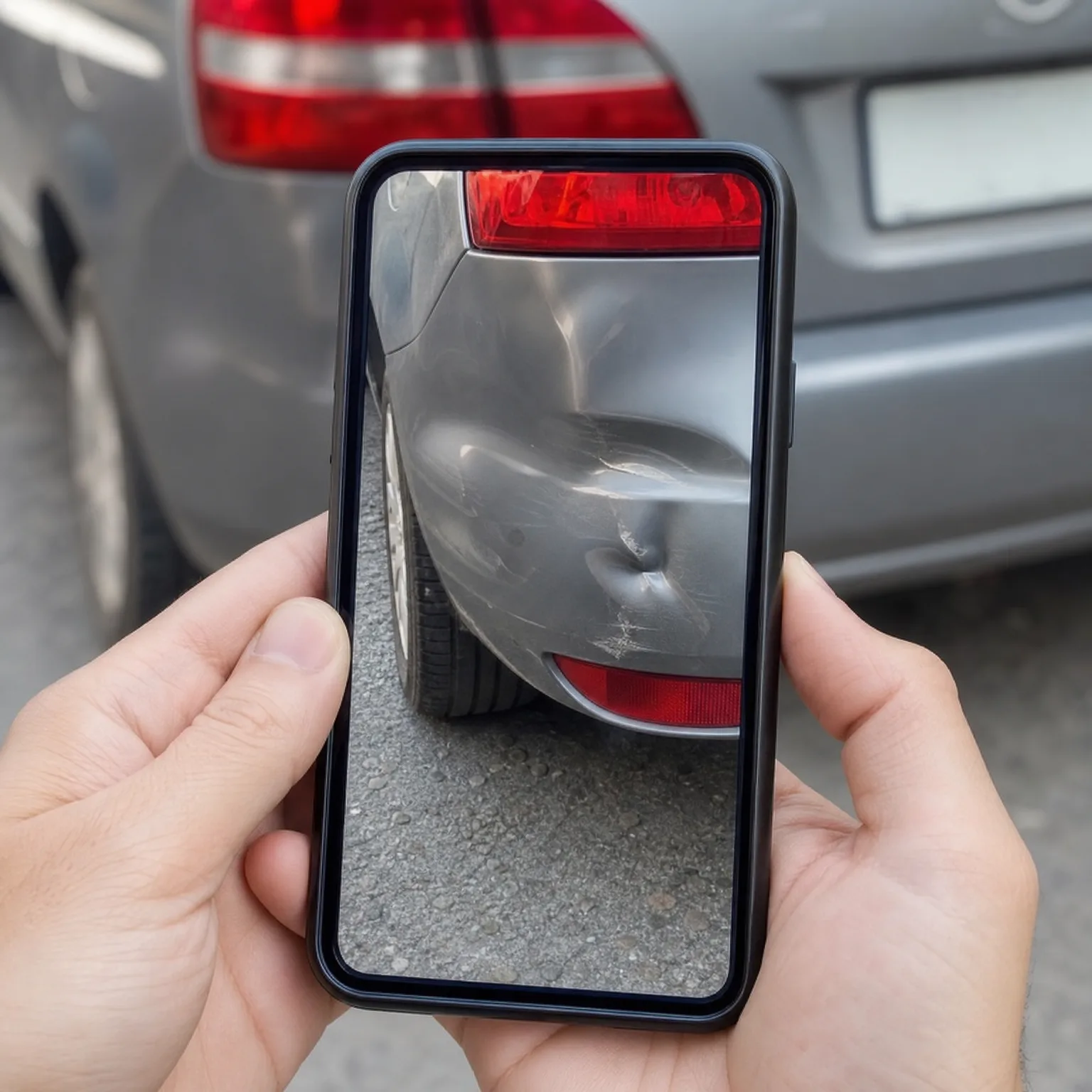
What a fast offer usually means and what to do instead
- The offer came too soon If you haven't finished treatment or gotten a final repair bill, the number can't reflect your real cost yet. Wait until you know the full extent before agreeing to anything.
- Signing ends your claim A release is usually final, even if your condition worsens later. Read it fully and ask what rights you're giving up before you sign.
- You can slow it down You're allowed to take time, request documentation, and get your own repair or medical estimates. Nothing requires you to accept the first number offered.
- Delay can help you too Waiting isn't stalling, it's gathering facts. Use the time to confirm your total costs so the number you accept actually covers them.
- A lawyer often costs little Many personal injury lawyers work on contingency, taking a fee only if you recover money. A short consult can tell you if the offer is reasonable.

Should you accept a quick settlement offer
If you do
You get paid fast and the claim closes immediately, which feels like relief. But if new costs appear later, like ongoing treatment or hidden damage, you have no way to reopen the claim or ask for more. The file is closed for good, regardless of what happens next.
If you don't
You wait until your injuries stabilize or repairs are fully confirmed, then negotiate from a position of knowing your real costs. This takes patience and sometimes feels slower than you'd like. But the settlement you eventually accept is far more likely to actually cover what you've been through.
Now that you know why insurers rush, set your own pace, then compare quotes with that clarity in hand.
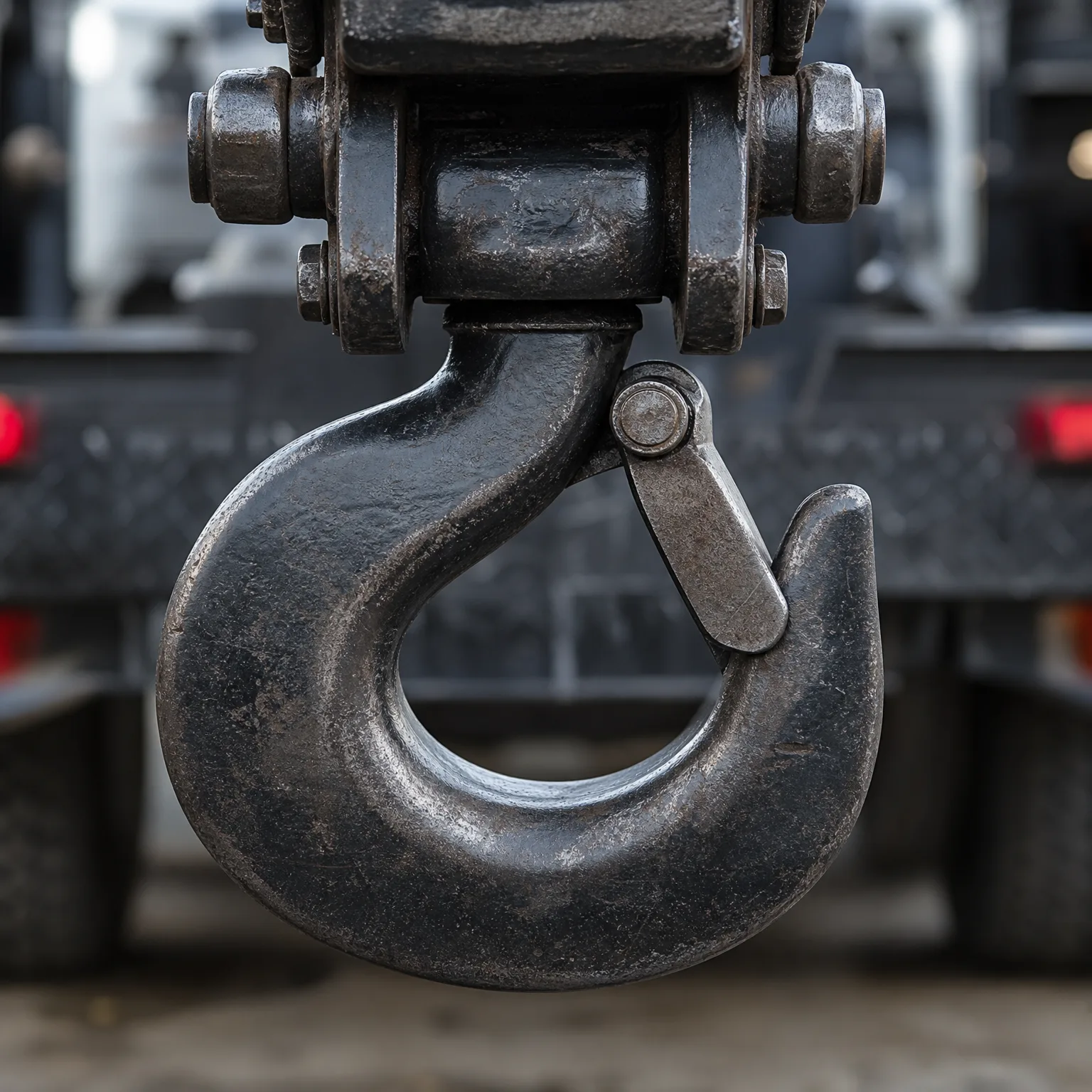
A rear-end accident with a sore neck that got worse
Someone is rear-ended at a stoplight. Their car has visible damage and their neck feels stiff but not alarming. Within two days, the other driver's insurer calls with a settlement offer that covers the repair estimate plus a bit extra, and asks for a quick signature to close things out.
They decide to wait, because the stiffness hasn't gone away and they haven't seen a doctor yet. A week later, an exam reveals a soft tissue injury needing several weeks of physical therapy. Because they hadn't signed anything, they were able to submit those costs as part of the claim and negotiate a settlement that covered treatment, not just the car. Had they signed the first offer, all of that would have come out of their own pocket.

How long can I wait before settling a claim?
It depends on your state's statute of limitations for filing a claim, which sets the outer deadline, not a recommended timeline. Within that window, you can generally take as long as you need to finish treatment and confirm costs. Check your state's deadline and don't let an insurer's urgency substitute for your own timeline.
Can I negotiate a settlement offer that feels too low?
Yes, settlement offers are starting points, not final numbers. Respond with documentation, like medical records or repair estimates, that shows the true cost, and propose a specific higher amount with reasoning behind it. Insurers expect negotiation, and the first offer is rarely their actual limit.
What happens if I already signed a quick settlement?
In most cases, a signed release ends the claim permanently, even if costs turn out higher later. Some states allow exceptions for fraud or misrepresentation, but these are narrow and hard to prove. Check with a lawyer in your state before assuming anything can be reopened.