Do You Buy a Car First Then Get Insurance
Line up your insurance before you sign for the car, since you need proof of coverage to drive it home.
Insurance has to exist before the car is legally yours to drive
A car and an insurance policy are tied together from the moment of purchase. You cannot legally drive a car off a lot, or even have it delivered to your home, without proof of insurance in hand. Dealers won't release the vehicle and lenders won't finalize a loan without it. So the practical order is to get a quote, sometimes even a firm commitment from an insurer, before you finalize the purchase.
This matters even more for you because you don't yet have a driving record. Insurers price you partly on the car you choose, so the car and the insurance decision are really one decision, not two. A sedan with a strong safety record costs less to insure than a sports car or a large SUV. Knowing that before you buy means you can pick a car that doesn't make your first year of coverage harder than it needs to be.
The usual path is to shop for the car you want, get quotes on that specific model while you're still deciding, and then bind the policy on the day you take possession. You can get quotes on a car you haven't bought yet, since insurers only need the make, model and year to price it. This lets you compare two or three cars by their insurance cost before you commit to one.
Where this differs is in how soon you need proof of coverage. Some dealers and lenders want it the moment you sign, others give you a short window. Check with the specific dealer or lender what they require and when, since that detail decides how far in advance you need to have insurance arranged.

What to line up before you shop for the car
- Get quotes on specific models Ask for quotes on the exact cars you're considering before you buy. This tells you which car is cheaper to insure so the decision isn't a surprise afterward.
- Decide whose policy you'll use If you'll be added to a family member's policy instead of starting your own, confirm that in advance. It changes what paperwork you need on the day you buy.
- Confirm what the lender requires If you're financing, the lender will set a minimum level of coverage you must carry. Ask for this in writing so your quote matches what they'll actually accept.
- Have ID and license ready Insurers will ask for your license number and details on any other household drivers. Have this ready so the policy can be issued the same day you need it.
- Know the car's details early Vehicle identification number, mileage and intended use are all needed to finalize a policy. Get these from the dealer early so nothing delays pickup.
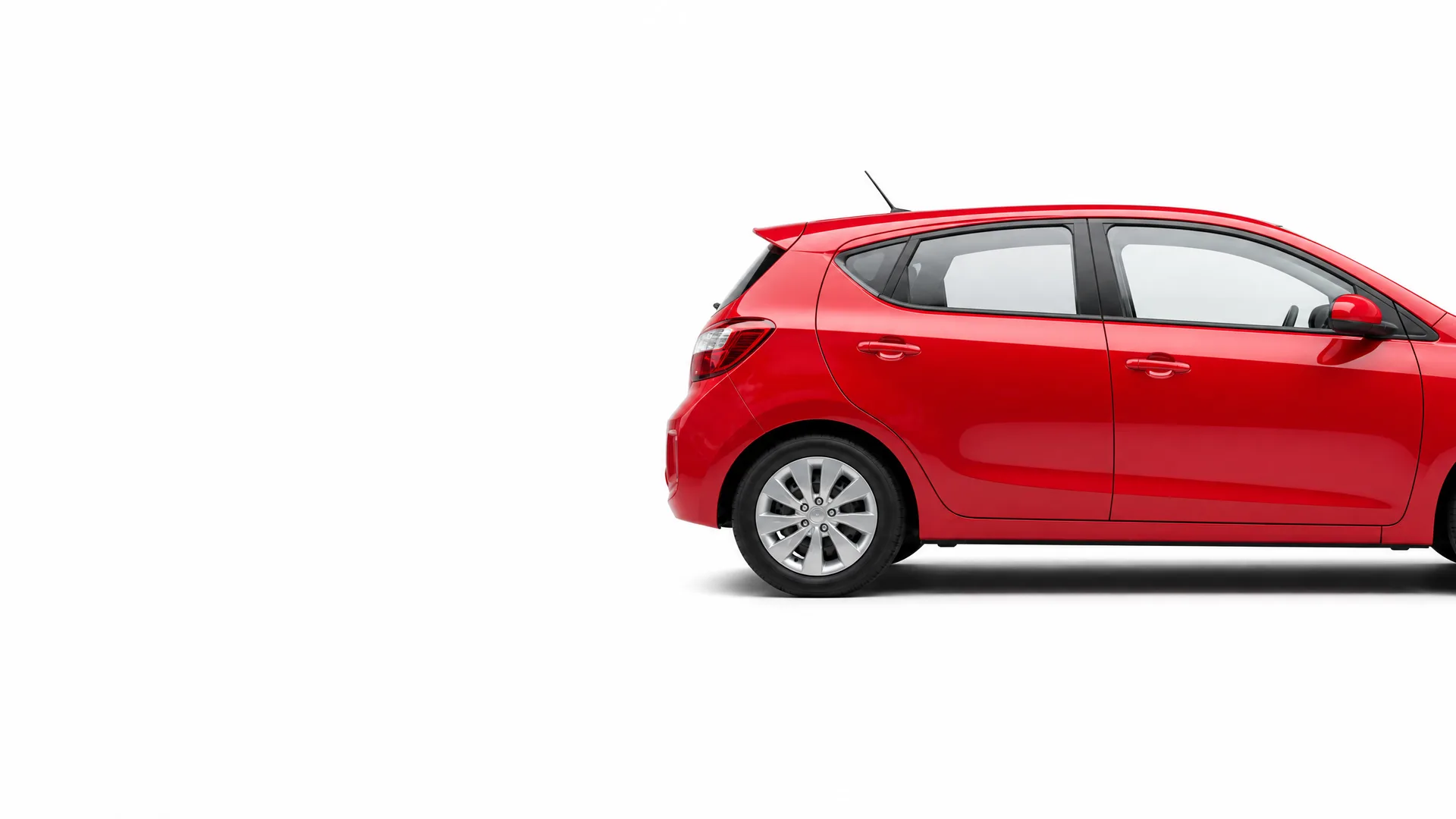
The car you pick is an insurance decision too, so compare costs before you fall for one car.
Once you know which car and which policy fit your plan, compare quotes to lock in that choice.
Choosing between two cars before signing anything
You're deciding between a compact sedan and a slightly larger SUV, both used, both around the same price. Before making an offer on either, you request quotes for both exact models and years. The SUV comes back noticeably higher to insure, partly because of its repair costs and partly because of how it's rated for its class. The sedan comes back lower, and the difference is large enough to matter over a year of payments.
You tell the dealer you want to think it over, then settle on the sedan the next day. Because you already have a quote in hand, you call the insurer the morning you plan to pick up the car, give them the final VIN, and have a policy document ready before you arrive at the dealership. The whole pickup takes less time than you expected, since nothing is being decided or negotiated at the last minute. You drive home already covered, with a policy you chose deliberately rather than one you rushed into signing.
Can I get car insurance without owning a car yet?
Yes, you can get a quote and even bind a policy on a car you don't own yet, as long as you can provide its make, model, year and VIN once you have it. Insurers price policies based on the vehicle, not on proof of ownership at the quote stage. This is exactly how most people shop, comparing insurance costs across a few cars before committing to one. Check with the insurer how long a quote stays valid, since prices can change if too much time passes before you buy.
Does being a new driver affect which car I should buy?
Yes, because insurers weigh your lack of driving history more heavily when the car itself is already expensive to insure. A car with a strong safety record and modest repair costs softens that effect, while a high-performance or luxury vehicle amplifies it. This doesn't mean you're restricted to a narrow list of cars, but it does mean the gap between your cheapest and most expensive options will be wider than it would be for an experienced driver. Get quotes on a few realistic choices to see how much that gap actually is.
Should I get added to a parent's or partner's policy instead?
It depends on whether you'll primarily drive a car they own or a car titled in your own name. If you're buying your own car, it usually needs its own policy, though you can sometimes still be listed as a driver on a household policy that covers multiple vehicles. If you'll mainly drive their car, being added to their policy is often simpler and may cost less than starting your own. Ask any insurer you're considering how they handle multi-driver, multi-car households, since this varies.