Do You Have to Pay a Deductible for Every Claim
Yes, you pay a deductible every time you file a claim that needs one, not once per policy or per year.
What determines whether a deductible applies
- Type of claim matters Deductibles usually apply to collision and comprehensive claims, not to liability claims you cause that pay someone else. Check your policy to see which coverages carry a deductible.
- Each incident counts separately If you file three claims in a year, you pay the deductible three times, once per incident. This is why small claims often cost more than they return.
- Fault doesn't always exempt you Some comprehensive claims, like a cracked windshield or a deer strike, may have a separate, smaller deductible or none at all. Ask your insurer which events work that way.
- Your deductible choice is yours You pick this amount when you set up the policy, and it stays fixed until you change it. As a new driver, a moderate deductible balances a lower premium against a cost you can actually afford if something happens.
- Filing affects your record too Even if the payout is small, a claim can still affect how insurers see you later. Weigh the repair cost against the deductible and what it might do to your rate before you file.

The short version
Yes, each claim that requires a deductible charges it separately, every time. This exists so you share the cost of every incident, not just a lifetime total. As a new driver, decide your deductible amount with your savings in mind, and before filing any claim, compare the repair cost to what you would pay out of pocket anyway.

A new driver weighs two small claims in one year
You've had your license eight months and you're driving your own car for the first time. In spring, you back into a post in a parking lot and dent the bumper. Repair estimate comes to an amount just above your deductible. You file the claim, pay your deductible, and the insurer covers the rest.
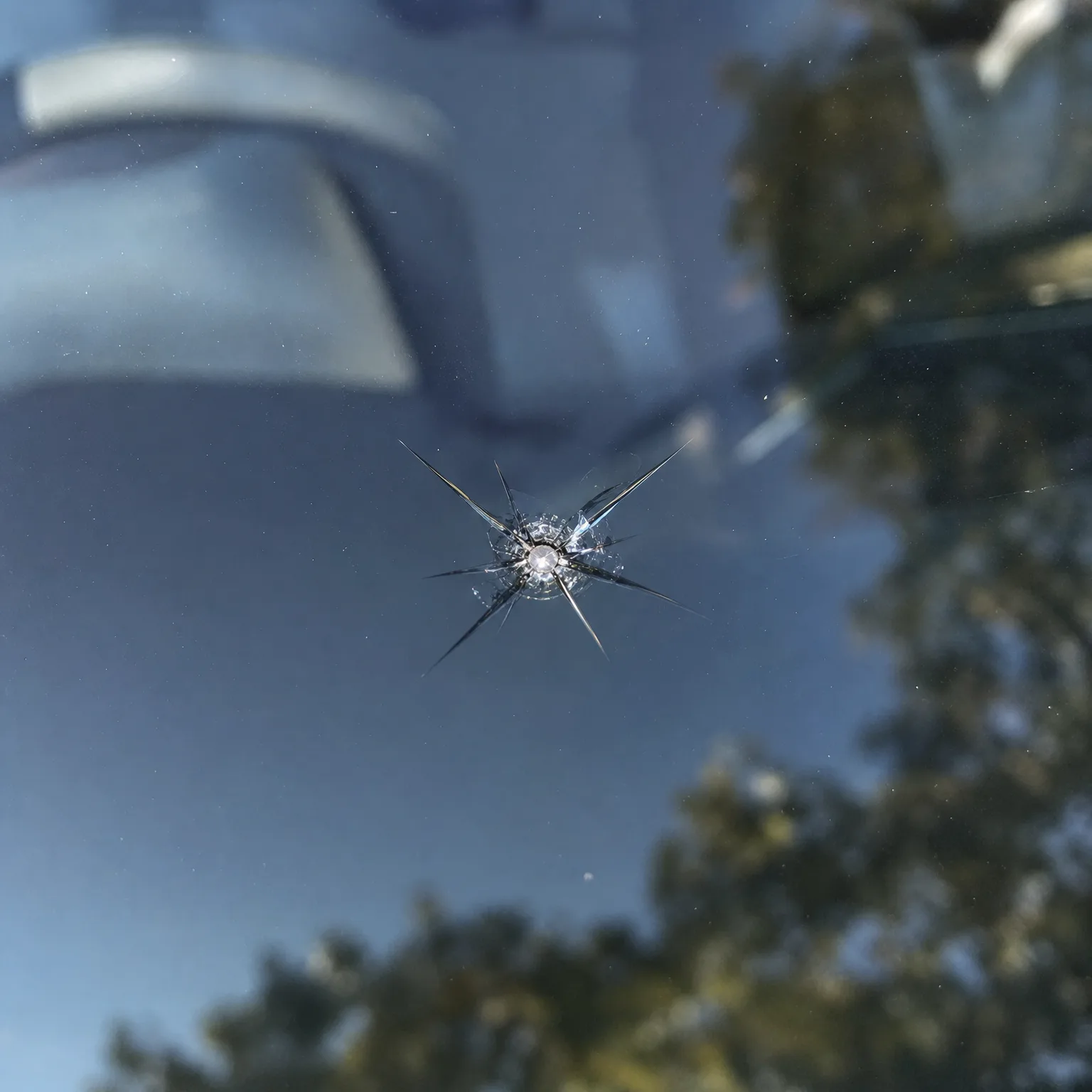
Three months later, a hailstorm cracks your windshield. You check your policy and find comprehensive claims for glass damage carry a separate, lower deductible, sometimes none at all. You file this one too, since the cost works in your favor. When your policy renews, you see a modest increase tied to the first claim, not the second. You realize the real lesson wasn't about the deductible amount itself, but about checking which coverage applied before assuming both claims would cost you the same.
Now that you know how deductibles work claim by claim, compare quotes with a deductible you're ready to commit to.

Whether to file a claim right after an accident
If you do
You pay your deductible, then the insurer covers the remaining repair cost. The process moves quickly, your car gets fixed, and you're protected if damage costs run higher than expected. The tradeoff is that the claim goes on your record, which can affect pricing at renewal, especially with limited driving history behind you.
If you don't
You pay the full repair cost yourself now, but your record stays clean. This can matter more for a new driver still building a history insurers trust. The risk is if the damage turns out worse than it first looked, you're covering all of it alone, with no claim to fall back on.
Why deductibles reset with every claim
A deductible isn't a yearly allowance you spend down. It's a cost-sharing rule attached to each separate incident, designed so you have some stake in every claim rather than treating insurance as free repair money. Insurers set it this way because covering every small scratch without any cost to you would make premiums unaffordable for everyone.
This also explains why filing small claims is often a bad trade. If a repair costs only slightly more than your deductible, the insurer pays very little, yet the claim still appears on your record. For a new driver especially, a thin record means each claim carries more weight in how you're priced going forward, since there's little other history to balance it.
Where this works out differently is with certain comprehensive claims, like glass damage or weather events, which some insurers treat with a separate, smaller deductible or waive entirely. This is also true for claims where another driver is clearly at fault and their insurer pays, since you're not using your own coverage at all. Always check your specific policy, since these carve-outs vary by insurer and sometimes by state.
The underlying logic stays the same everywhere. Deductibles exist per claim, not per year, because they're tied to risk-sharing on each event, not to an overall budget. Once you understand that, the real decision isn't whether a deductible applies, but whether filing is worth it given what you might pay later in rate changes.