
Full Coverage vs Comprehensive Car Insurance Difference
Comprehensive is one piece of coverage, while full coverage just means you've bought comprehensive and collision together.

What separates these two terms
- Comprehensive covers one thing It pays for damage to your car from events other than a crash, like theft, fire, or a falling tree. Check your policy's declarations page to see if you have it listed.
- Full coverage isn't official No insurer sells a policy literally called full coverage, it's a shorthand for carrying comprehensive and collision plus your state's required coverage. Ask any agent what's actually included when they use the term.
- Collision fills the other gap Collision pays for damage from hitting another car or object, which comprehensive doesn't cover. If you have one without the other, you have a real gap in protection.
- Lenders often require both If you're financing or leasing your car, the lender will usually require both comprehensive and collision until the loan is paid off. Check your loan agreement for the exact requirement.
- Older cars may not need either Once a car's value drops low enough, the payout from comprehensive or collision may not be worth the premium. Compare your car's value to what you'd pay yearly for both coverages.
Do you need full coverage or just comprehensive?
It depends on whether your car could be damaged by a crash, not just theft or weather. Comprehensive alone protects against things like vandalism, hail, or hitting an animal, but it won't pay a cent if you rear-end someone or slide into a guardrail. Most drivers who want real financial protection carry both.
If you're financing the car, this isn't really your choice to make, since the lender will require both until the loan is gone. If you own the car outright, the decision comes down to what you could afford to lose. A car worth enough to hurt your finances if it were totaled in a crash is a car worth protecting with collision too, not just comprehensive. A car you could replace easily might not need either one.

Now that you know which coverages you actually need, compare quotes that include exactly those and nothing extra.

A driver with a financed car and an aging second one
Say you're financing a newer car and also own an older paid off car you drive occasionally. Your lender requires comprehensive and collision on the financed car, so that part isn't optional, you check the loan papers and confirm both are listed. For the older car, you look up its current value and compare it to what comprehensive and collision would cost you per year combined.
The older car isn't worth much anymore, so you decide to drop collision on it but keep comprehensive, since theft or a cracked windshield could still happen and comprehensive is usually inexpensive. On the financed car, you keep both coverages as required, and you also check your deductible on each policy, lowering it slightly on the newer car since you'd rather pay a bit more monthly than face a big bill after a crash. A year later, a hailstorm dents the older car's hood. Comprehensive covers it, and you're glad you didn't drop that one too, since it would have been a repair you'd have paid for entirely yourself otherwise.
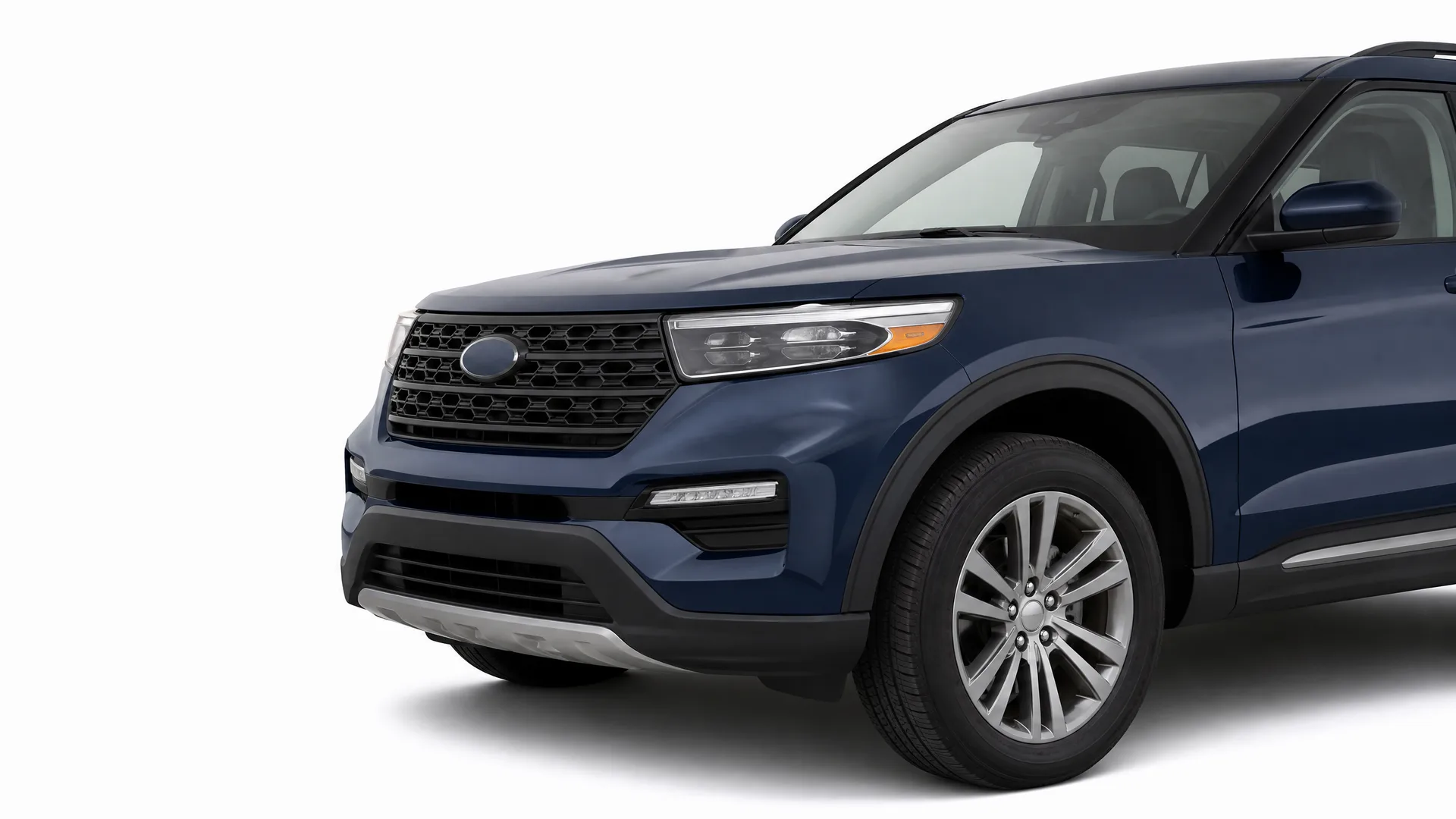
These aren't two competing products, they're two coverages that only work fully when carried together.
Does full coverage include roadside assistance or rental car coverage?
No, those are separate add-ons you have to request specifically. Full coverage typically means comprehensive plus collision plus your required coverage, nothing more. If you want roadside help or a rental car while yours is repaired, ask your insurer to add those as separate line items, since they're priced and chosen independently of comprehensive and collision.
What's my deductible when I have both comprehensive and collision?
Each coverage usually has its own separate deductible, and they don't have to match. You might choose a lower deductible for collision since crashes tend to cost more, and a higher one for comprehensive since those claims are often smaller. Check your policy documents to see both amounts listed separately, and ask your insurer if you can adjust them independently.
Will comprehensive coverage go up after I file a claim?
It depends on your insurer and your state, since some treat comprehensive claims as no-fault events that don't raise your rate, while others factor in any claim history. Ask your insurer directly how comprehensive claims affect renewal pricing before you file, especially for a small claim where paying out of pocket might cost less overall.