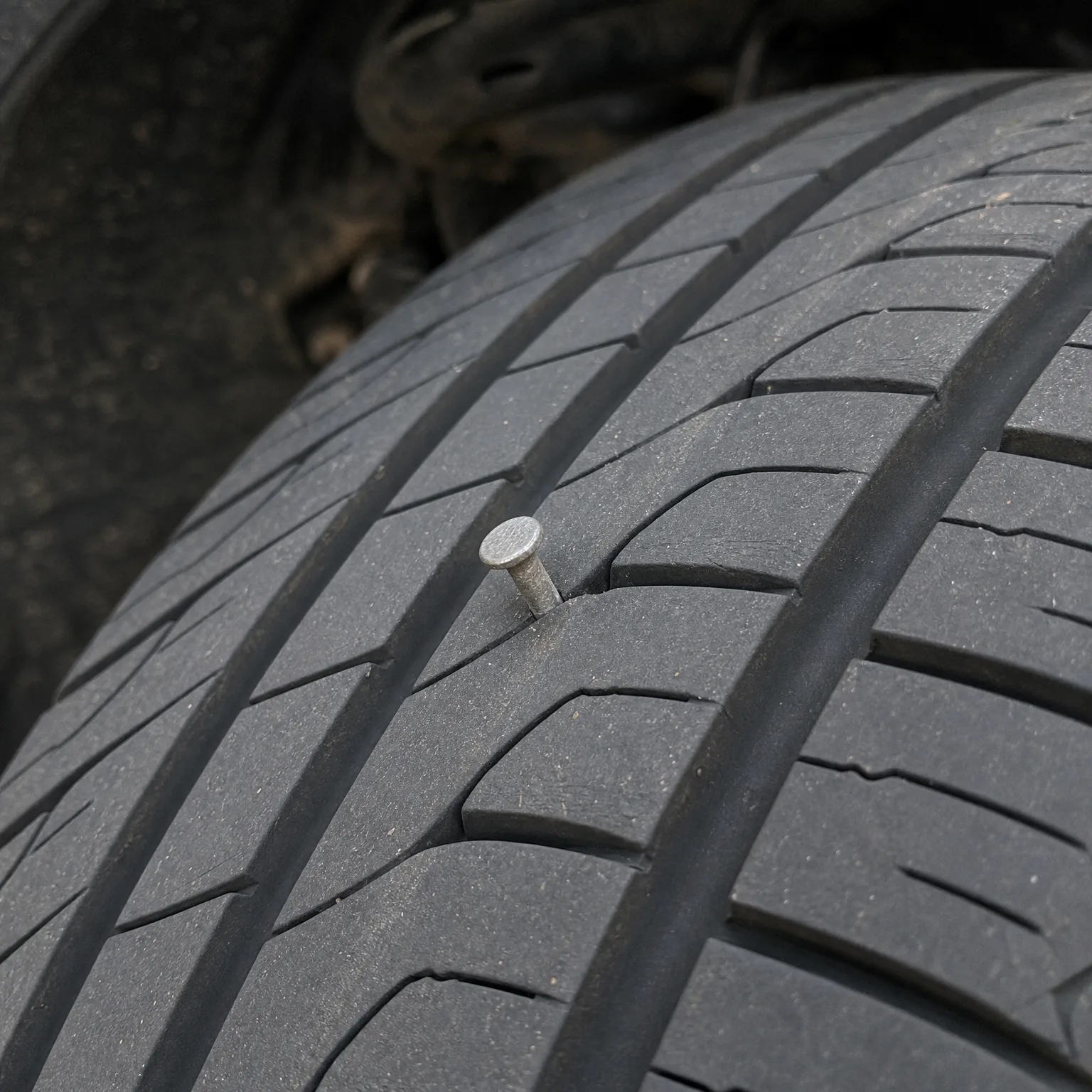
Is It Better to File a Claim or Pay Out of Pocket
Pay out of pocket when the repair costs less than what a claim would cost you in future premiums, and file when it doesn't.
A claim costs more than the repair, it changes how you're priced
A new driving record is thin, so every claim on it carries more weight than it would for someone with a long clean history behind them. Insurers price you largely on the little information they have, and a claim is one of the few data points they get. That makes the real cost of filing much bigger than the repair bill itself, because you're not just paying for the damage, you're also changing how the insurer sees you going forward.
The comparison that matters is the repair cost against the total rate increase over the time it stays on your record, not against your deductible alone. A small claim can end up costing more over the years it stays on your record than simply paying for the damage yourself would have. This is especially true early on, since you don't yet have enough history to dilute the impact of one claim.
There are cases where filing is clearly right regardless of this math. If another driver was at fault, if the damage involves injury, or if the repair cost is close to or above what you'd pay in a stretch of premiums, filing protects you more than it costs you. Liability questions and injury claims aren't really optional in the same way, because someone else's costs may be involved too.
What varies is how long a claim affects your rate and by how much, and that depends on your insurer and sometimes your state. Some insurers forgive a first claim, some weigh at-fault and not-at-fault claims very differently, and some states limit how much a claim can be held against you. Ask your insurer directly how a claim like yours would be treated before you decide.
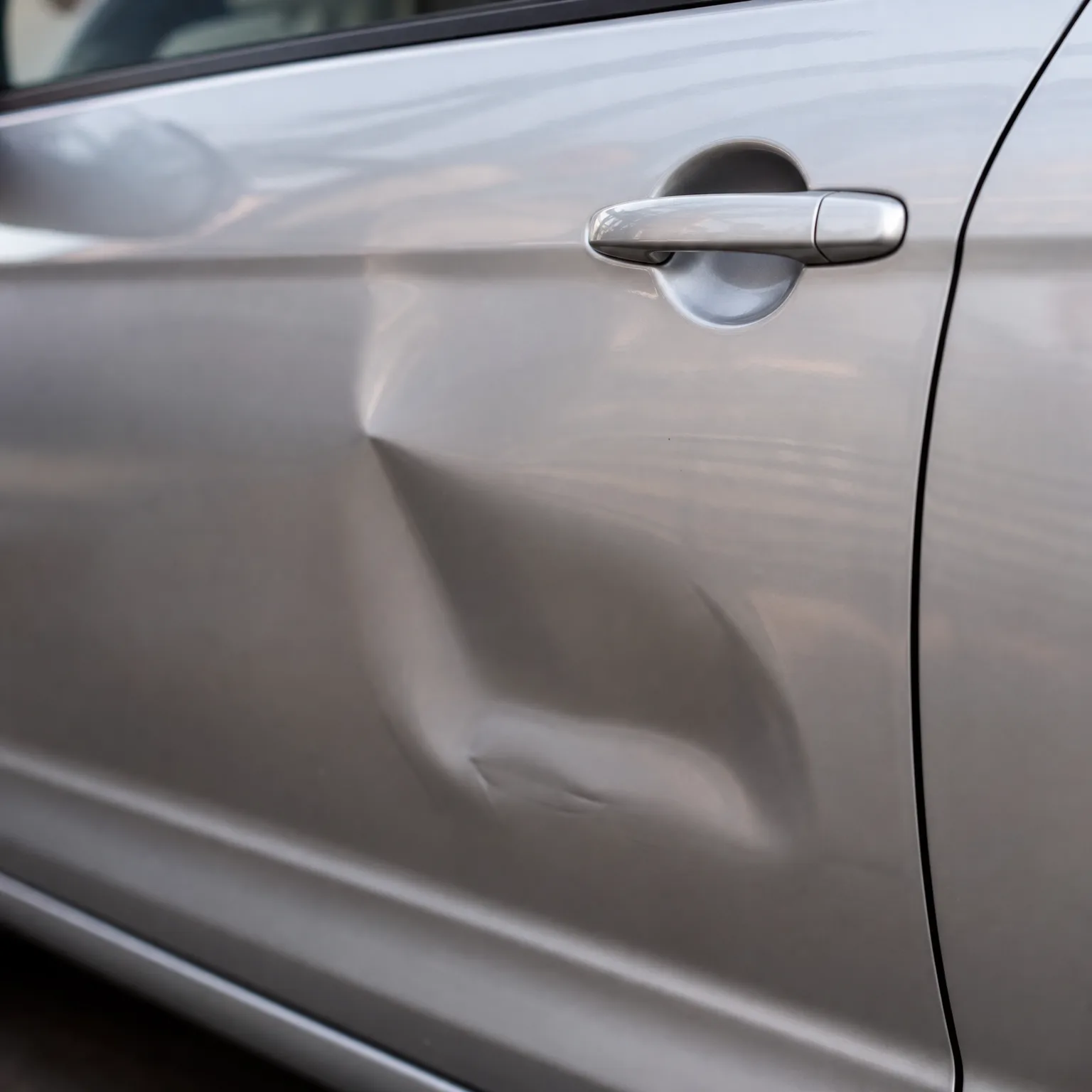
A new driver backs into a post in a parking lot
You've had your license for under a year and you back into a concrete post pulling out of a spot, denting a rear panel. The repair estimate comes in at a few hundred dollars. You call your insurer to ask how filing would affect your rate before you decide anything, since you don't have a long record yet and don't know how much weight one claim would carry.
The insurer tells you a claim like this would likely raise your premium for a stretch of years, and when you add up that increase across those years, it comes out higher than just paying the repair yourself. You decide to pay out of pocket, get the dent fixed, and keep your record clean. Later on, when you do have a minor at-fault claim from a real accident, it doesn't hit nearly as hard, because by then you have a longer clean history sitting behind it.
Will asking my insurer about a claim without filing one count against me?
No, asking doesn't count as filing, and insurers expect new drivers to ask these questions. A phone call where you describe the situation and ask how it would be handled is just information gathering, and it shouldn't appear anywhere on your record or affect your rate.
What does count is actually opening a claim file, even if you later decide not to pursue payment on it. So be clear with the representative that you're asking hypothetically and haven't decided to file. If they start the claims process before you're ready, ask them to pause so you can think it through first.
Once you know how a claim would actually affect your rate, compare quotes to see what your decision is really worth.

Call before you pay for damage yourself
If you do
You get a clear answer about how a claim would affect your specific rate before committing to anything. You can compare that number against the repair cost and make the call with real information instead of guessing. You also build a habit of checking before filing, which protects you as your record grows over time.
If you don't
You either file without knowing the full cost, which can mean years of higher payments for a small repair, or you pay out of pocket without checking, which can mean overpaying when filing would have actually been the better move. Either way you're deciding blind on something that's easy to find out first.
Does a not-at-fault claim affect my rate the same way as an at-fault one?
No, most insurers treat them differently, but how differently depends on the insurer and sometimes the state. A not-at-fault claim usually carries less weight since it wasn't your driving that caused it, and some insurers don't hold it against you at all. Ask specifically how your insurer handles not-at-fault claims, since this can change the math significantly if someone else hit you.
How long does a claim stay on my record and affect my rate?
It varies by insurer, and sometimes by state, but a stretch of years is typical before the impact fades. The exact length isn't universal, so ask your insurer directly how long a claim like yours would factor into your premium. This matters because the total cost of a claim is the rate increase multiplied by how long it lasts, not just a one-time bump.
Can I remove a claim from my record once it's filed?
Generally no, once a claim is filed and processed it stays on your record for whatever period your insurer applies, even if you withdraw your request for payment partway through. Some insurers have a short window to cancel a claim before it's finalized, so ask immediately if you change your mind. This is why it's worth getting the cost estimate before filing rather than after.

A claim is priced against years of payments, not your deductible, so compare it that way before you file.