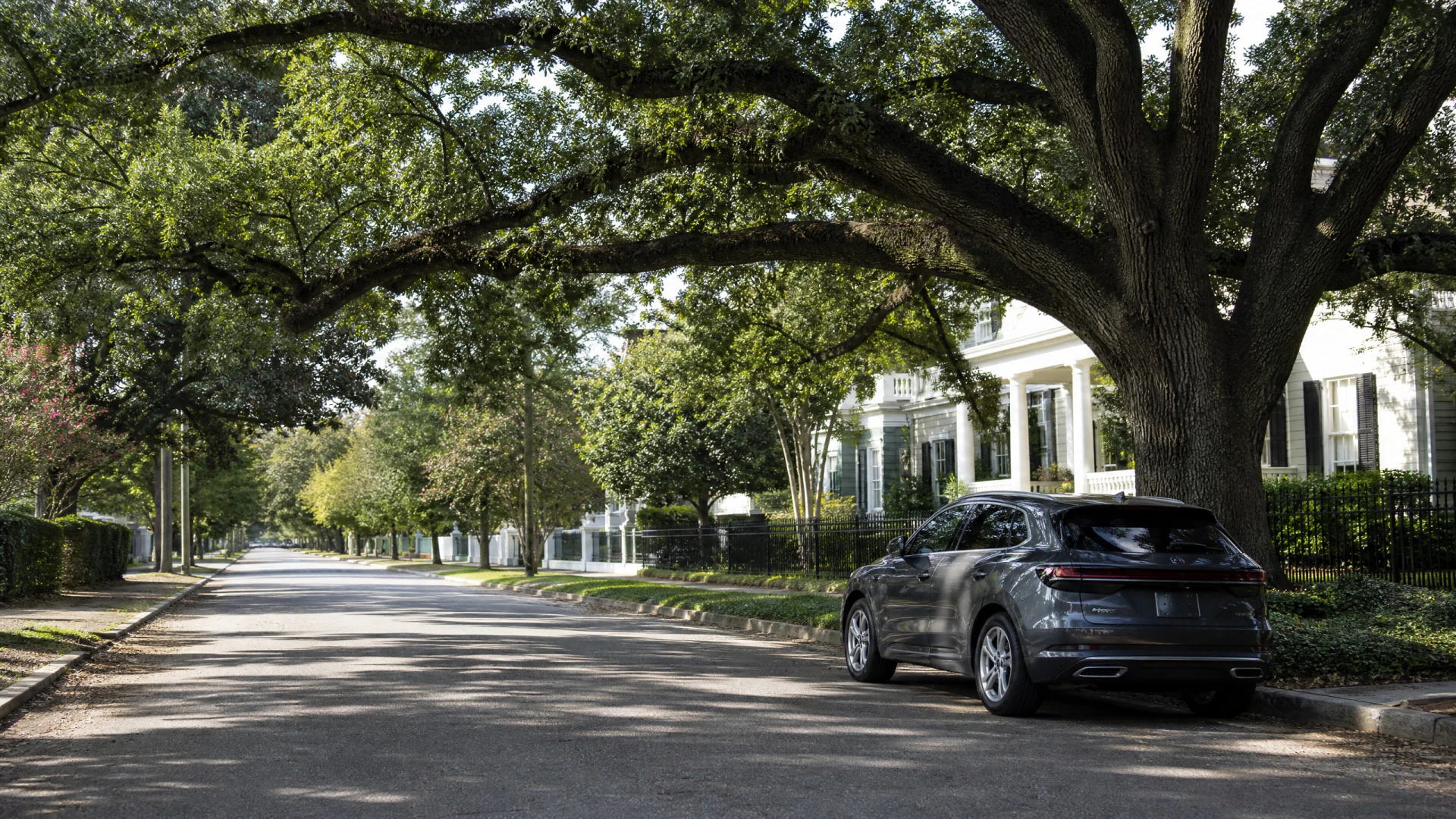
Is It Smarter to Buy a Car with Cash or Finance
Paying cash keeps your insurance choices open, while financing locks you into coverage you can't easily lower until your record improves.
The loan, not the car, decides your required coverage
When you finance a car, the lender has a stake in it until the loan is paid off. They require you to carry coverage that protects their investment, usually a higher level than the state minimum. That requirement doesn't bend because you're a new driver with no history. You pay the new-driver rate on top of the lender's required coverage, and the two combine into a bigger number than either alone.
When you pay cash, you own the car outright from day one. Nobody but you decides what coverage to carry beyond whatever your state requires. You can start with less, and raise it later as your record gets longer and your rates drop. That flexibility matters most in the first few years, which is exactly when your rates are highest and most uncertain.
This doesn't mean cash is always the right call. If paying cash means buying an older or cheaper car, you might end up paying more in repairs or driving something less reliable while you're still learning. If financing gets you a newer, safer car with better crash protection, that can lower your insurance cost even with the lender's required coverage, especially since a new driver's biggest risk is the accident itself.
The honest comparison isn't cash versus financing in the abstract. It's the total cost of owning a specific car under each path, insurance included, against how much flexibility you want while you're still new behind the wheel.
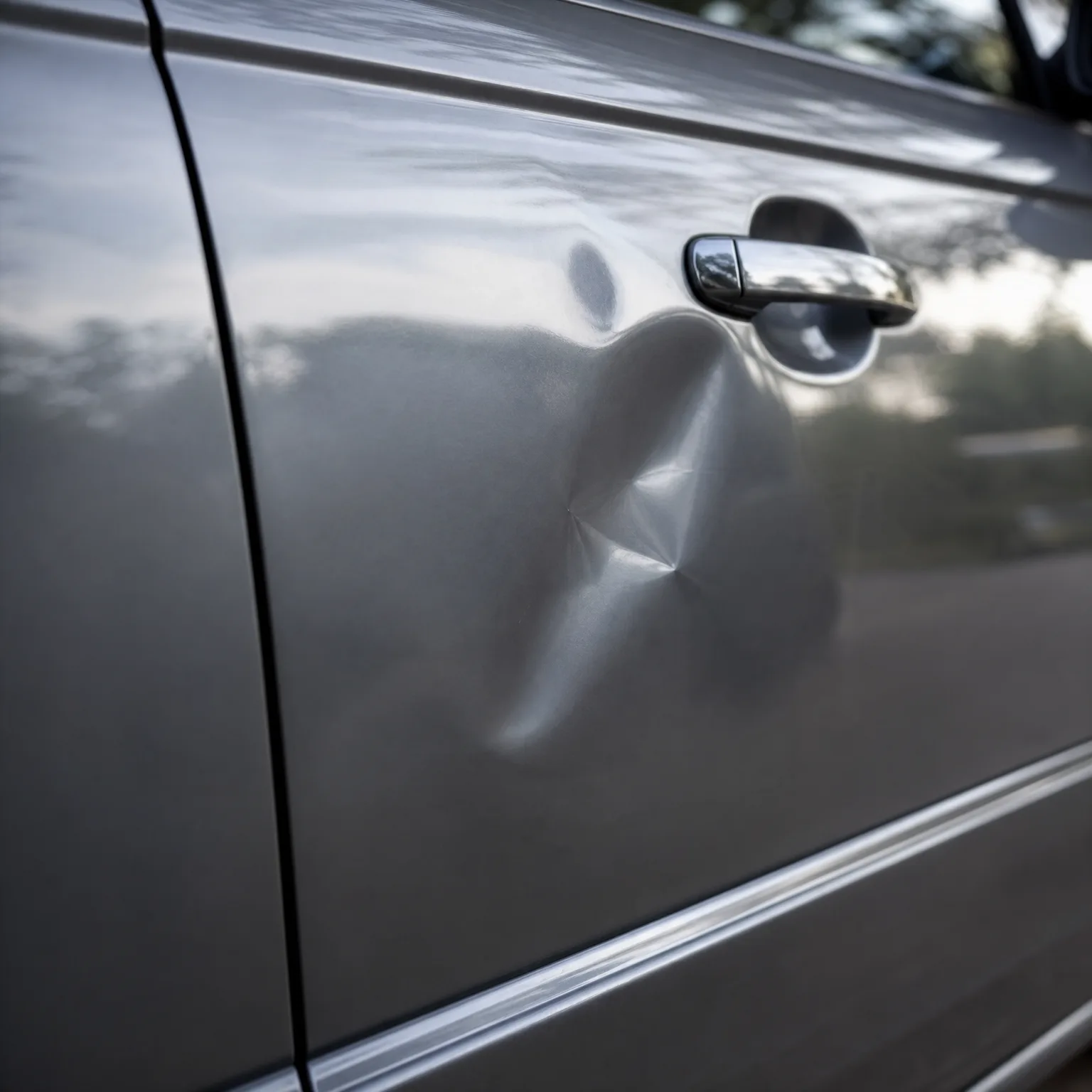
A new driver choosing between a used car and a newer financed one
Someone getting their first license at thirty was deciding between a used car bought outright and a newer model financed over several years. They had no driving record yet, so every insurance quote they got was high, and the newer car's quote was higher still because the lender required full coverage. They sat down and added up both paths for the first year, the loan payment, the required coverage, and the likely cost of repairs on the older car if something went wrong.
They chose the used car paid in cash, carrying only what the state required plus a bit more for their own protection. It meant driving something older, but it meant their insurance decision was entirely theirs. A year later, with a clean record behind them, they shopped their coverage again and found their options had opened up considerably. They kept the plan to upgrade the car once their driving history, not just their budget, could carry more weight.
Your driving record, not your bank account, is what lowers your insurance rate over time.
Once you know whether you're buying with cash or financing, compare quotes built around that exact decision.

Carrying only state-minimum coverage while you build your record
If you do
You'll pay less now while your rates are highest, and you can raise coverage once your record brings your rates down. But if you're at fault in an accident, you could owe money beyond what your policy pays, since minimum coverage often doesn't cover the full cost of serious damage or injury.
If you don't
You'll pay more every month while you're a new driver, sometimes significantly more. But you'll have a bigger cushion if something goes wrong, which matters most in these early years when your experience, and your record, are both still thin.
What actually changes your insurance cost as a new driver
- Lender requirements Financing means carrying coverage the lender sets, not just what your state requires. Check your loan agreement before you shop insurance, so you're comparing quotes that actually qualify.
- The car itself A newer or safer car can lower your insurance cost even with required coverage. Compare insurance quotes for different cars before you commit to one, not after.
- Your growing record Every month of clean driving works in your favor, regardless of how you paid for the car. Re-shop your coverage once you've built even a short history.
- Who else is on the policy Being added to an experienced driver's policy can lower your cost more than the car or payment method does. Ask whether that's an option before deciding how to buy.
- State minimums vary What counts as legal coverage differs by state, and financing may require more than that minimum anyway. Check both your state's rules and your lender's before choosing a coverage level.