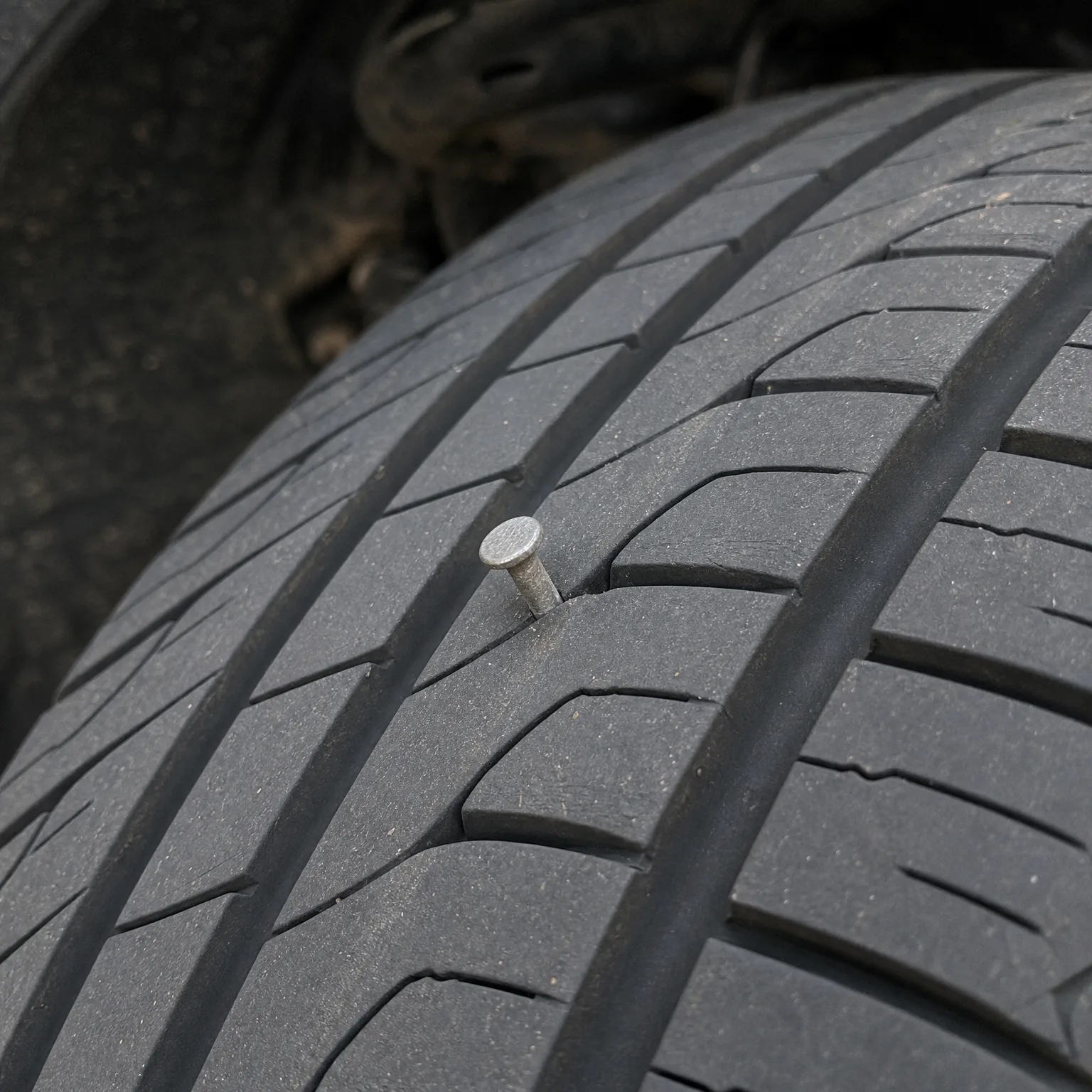
Is It Worth Reporting a Scratch to Car Insurance
A scratch is worth reporting only when the repair costs more than your deductible plus the rate increase a claim could cause.
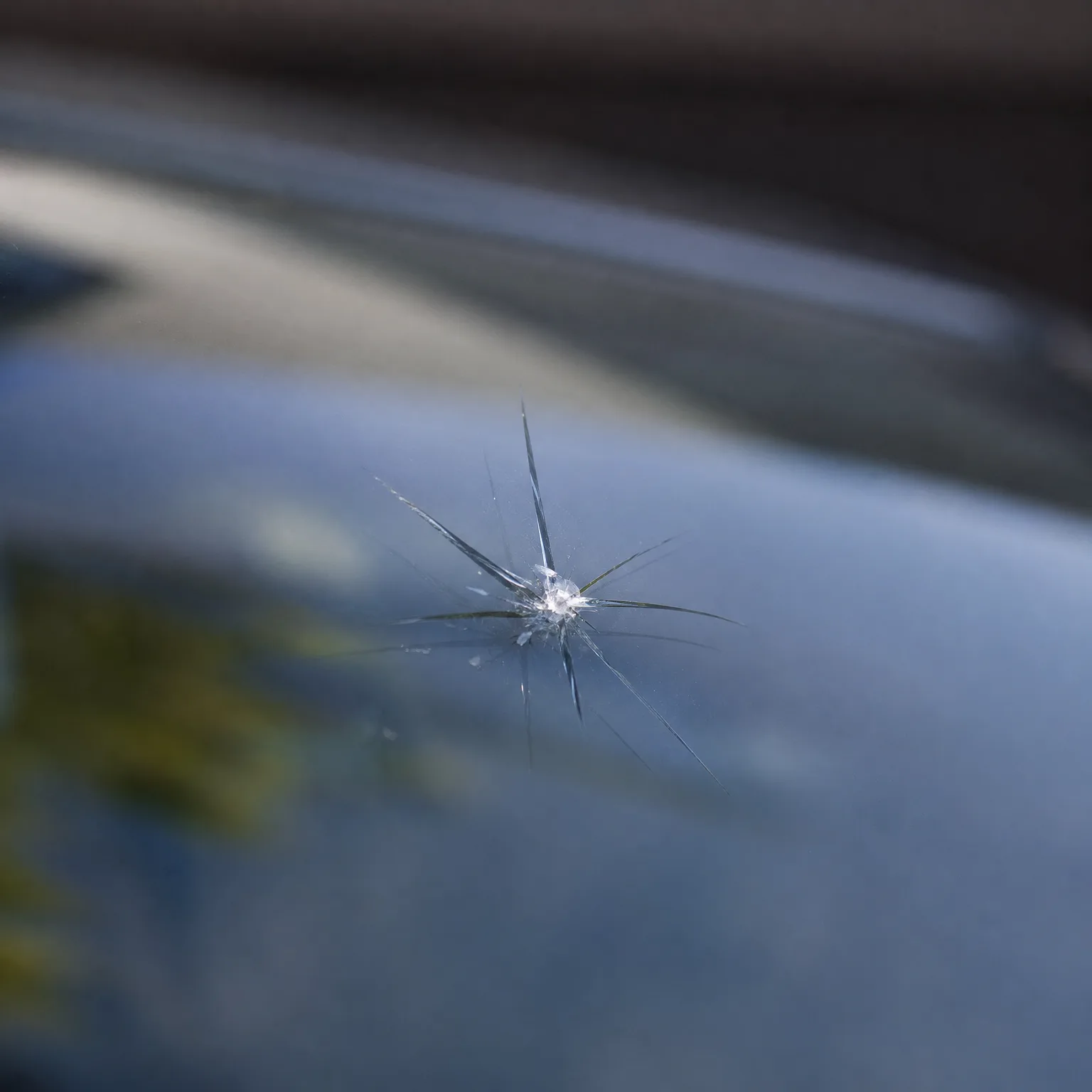
What to weigh before you file a claim
- Get a repair estimate first You can't compare costs without a number. Call a body shop or use an estimate app before deciding anything.
- Check your deductible amount If the repair costs less than your deductible, filing gets you nothing. You'd pay the whole thing yourself either way.
- Ask about your insurer's rules Some insurers forgive a first small claim, others raise rates for any claim at all. Call and ask before you file, not after.
- Think about your thin record A short driving history means insurers are already watching you closely. One claim right now carries more weight than it will later.
- Consider paying out of pocket If the cost is close to your deductible, paying yourself often protects your rate more than it costs you now.

A new driver finds a scratch after a parking lot
You come back to your car and find a long scratch along the rear door. No note, no witness, just a mark that wasn't there before. You're only a year or two into driving and you don't have a claims history yet, so you're not sure if this is the kind of thing that's supposed to go through insurance or the kind of thing you just live with.
You call a body shop and get an estimate that comes in a little above your deductible. You call your insurer and ask, without filing anything yet, how a claim like this would affect your rate given how new your policy is. They tell you a single small claim could still raise your premium for a few years, since you don't have enough history for one claim to get lost in a longer record. You decide the repair isn't urgent and pay for it yourself over the next month. Your policy stays untouched, and the next time you shop for insurance, your record shows no claims at all, which matters more right now than it will once you've been driving for a decade.

Once you know whether this scratch is worth claiming, compare quotes to see how that decision affects what you'd pay.
Will reporting this scratch raise my rate even if I don't file a claim?
Simply asking your insurer about a scratch, without filing a claim, usually does not affect your rate. Insurers track filed claims, not phone calls or questions. You can call and ask what a claim would cost you, get a number, and decide not to move forward with no consequence.
What does affect your rate is opening a claim file, even if you later withdraw it before any payment is made. Some insurers note this differently than others, so if you're worried about any record of contact showing up later, ask directly whether an inquiry alone creates a claim record. The answer varies by insurer, and it's worth confirming before you call if you're already on the fence.

A thin driving record makes every claim count for more, so the real cost of filing is years away, not today.
Does a small claim affect insurance for new drivers more than experienced ones?
Yes, because insurers lean harder on recent claims when there isn't a longer history to balance them against. An experienced driver with ten clean years absorbs one claim easily. Someone early in their driving history doesn't have that cushion yet, so the same claim can carry more weight for longer. This evens out over time as your record grows, but right now it's worth factoring in.
How long does a claim stay on my record and affect my rate?
It depends on your insurer and your state, and there's no universal number to point to. Some insurers look back further than others when pricing a renewal, and some states regulate how long certain claims can be used. Ask your insurer directly how long a claim affects pricing, and ask again if you switch insurers later, since the new one may look back differently.
Can I pay for the repair myself and still tell my insurer it happened?
Yes, you can report an incident without filing a claim for payment, and some drivers do this for their own records. This doesn't trigger a payout or typically affect your rate, since no money moves. Confirm with your insurer that a report without a payout request is treated differently from a claim, since this distinction isn't handled the same way everywhere.