
Is Leasing a Good Idea for a First Car
Leasing usually costs more on insurance than buying used, since the leasing company requires higher coverage than your state does.
Leasing forces a coverage floor you might not choose yourself
When you lease a car, you don't own it. The leasing company does, and they carry the financial risk if it's totaled or damaged badly. To protect that asset, they require you to carry coverage well above what your state requires, usually including collision and comprehensive coverage with a low deductible, and often gap coverage too. You don't get to opt for a bare-bones policy to save money while you're new to driving and still building a record.
This matters more for you than it would for an experienced driver, because insurers already treat you as higher risk with no driving history to point to. Stack that on top of the lease's required coverage, and the monthly cost can be real money, not a minor add-on. It's not that leasing is reckless. It's that the cost structure is fixed by the lease contract, not by your judgment about what risk you're comfortable taking on.
There are cases where this works out fine. If you're going to be a careful, low-mileage driver, a newer leased car might actually have better safety features that help with the risk side of things, even if the premium stays high. And if your plan is to lease a car for a while as you build a driving record, then move to something you own, the higher cost during the lease can be treated as a short-term, known expense rather than something you're stuck with.
Where this changes is based on the specific lease terms and your state's rules on minimum coverage. Some states or leasing companies require different gap coverage setups, and some let you negotiate deductibles within a range. Check your lease agreement's insurance requirements section and ask the leasing company directly what the floor is, before you assume what you'll be paying.
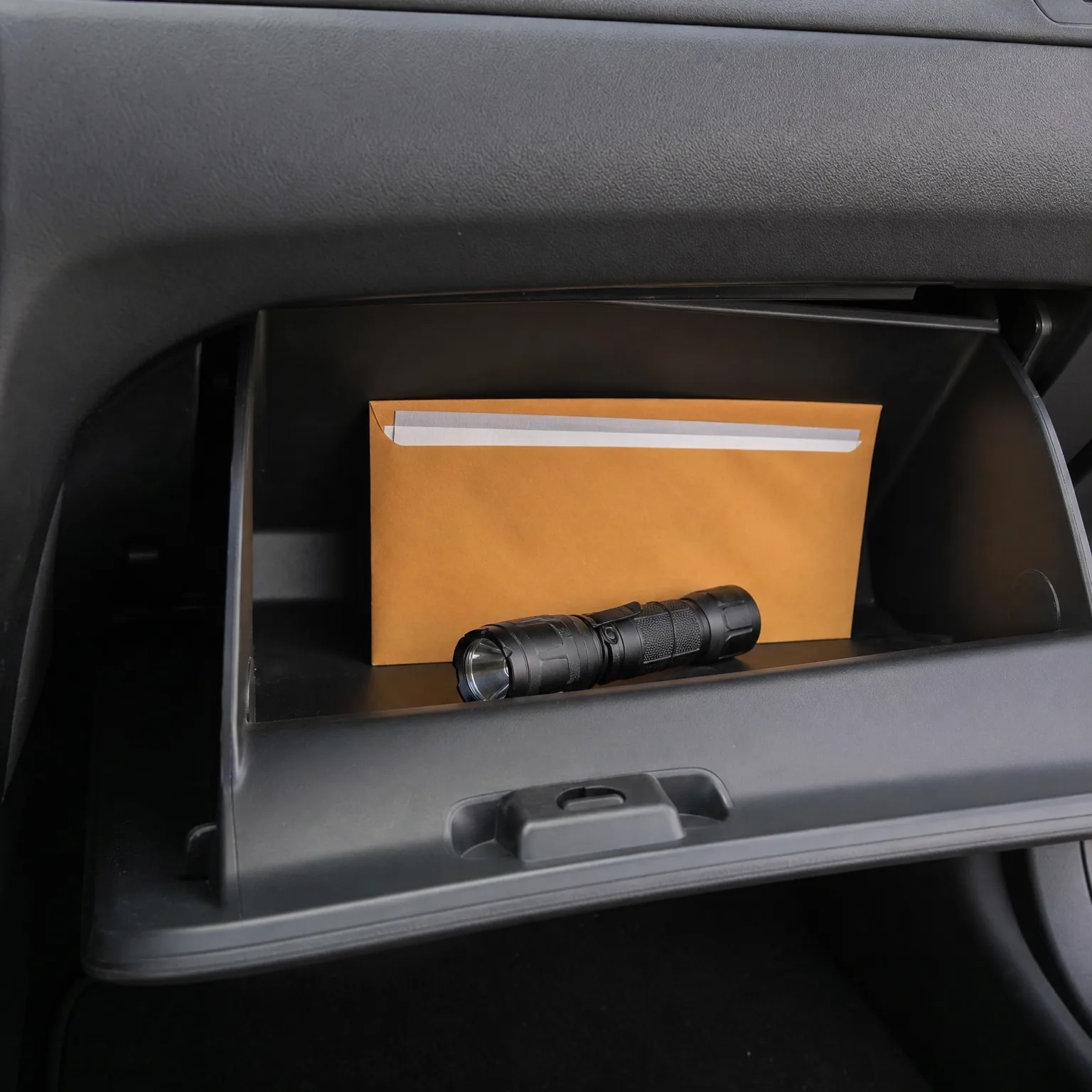
What to check before you sign a lease as a new driver
- Required coverage limits Your lease will specify minimum liability, collision, and comprehensive coverage, usually higher than your state requires. Ask for this in writing before signing.
- Gap coverage terms Gap coverage pays the difference if the car is totaled and you owe more than it's worth. Check whether it's already included in the lease or something you must buy separately.
- New driver surcharge Insurers price you higher with no driving record, regardless of what car you drive. Get an actual quote for the specific leased model before assuming the cost.
- Mileage and driving habits Leases cap your mileage, which can work in your favor since low mileage sometimes lowers your insurance cost too. Track your expected driving before choosing a lease term.
- Exit cost if you stop leasing Ending a lease early can carry its own fees separate from insurance. Compare the total cost of leasing against buying something modest and insuring it on your own terms.
Once you know what coverage a lease actually requires, compare quotes for that specific car before you sign anything.

Leasing with required coverage versus buying and choosing your own
If you do
You lease, and the dealership requires full coverage with a low deductible plus gap coverage. Your monthly insurance cost is higher than a state-minimum policy, but the car is newer, under warranty, and has modern safety features that may support lower long-term rates as you build a record.
If you don't
You buy an older used car instead and carry only your state's required coverage. Your monthly insurance cost is lower now, but you take on repair costs yourself, have no gap protection if it's totaled, and your rates still reflect your lack of driving history either way.

Comparing a leased SUV against a used sedan for a new driver
A driver who just got their first license later in life needed a car for a new commuting job. A dealership offered a lease on a small SUV with a low monthly payment advertised, but the lease agreement required full coverage with a low deductible and gap insurance. When they got an actual insurance quote for that specific vehicle, the monthly premium nearly matched the lease payment itself, because they had no driving history and the required coverage was high.
They then priced out buying an older sedan instead, with a small loan and no leasing company dictating coverage minimums. They chose to carry liability coverage above their state minimum but skipped comprehensive and collision, given the car's age and value. The total monthly cost, loan plus insurance, came in lower than the lease option. They decided to buy instead, planning to reassess their coverage and car choice once they had more driving history behind them and could get better rates on a future vehicle, leased or owned.
Does leasing a car make my insurance go up as a new driver?
Yes, leasing typically raises your insurance cost because the leasing company requires higher coverage than your state's minimum, including collision, comprehensive, and often gap coverage. This is separate from the new-driver surcharge insurers already apply due to your lack of driving history. The two costs stack together. Check your specific lease's required coverage limits and get a quote for the exact car before comparing it to buying, since the gap between lease-required and state-minimum coverage varies by leasing company and by state.
Can I remove gap coverage from a leased car to save money?
Usually not, if your lease requires it, since it protects the leasing company's financial interest in the car, not just you. Some leases build gap coverage into the payment already, while others require you to buy it separately. Check your lease agreement's insurance section for the exact wording. If gap coverage is listed as optional in your state or lease, you can compare the cost of adding it yourself against what the dealership charges, since dealership gap coverage is sometimes priced higher than buying it through your insurer.
Is it cheaper to buy a used car than lease one when I have no driving record?
Often yes, because buying lets you choose your own coverage level instead of meeting a lease's required minimums, and an older used car typically needs less coverage to protect its lower value. Your new-driver insurance surcharge applies either way, since that's based on your lack of history, not the car. Compare total monthly cost, loan or lease payment plus insurance, for the specific vehicles you're considering, since a newer leased car's safety features or incentives can sometimes offset its higher insurance requirement.