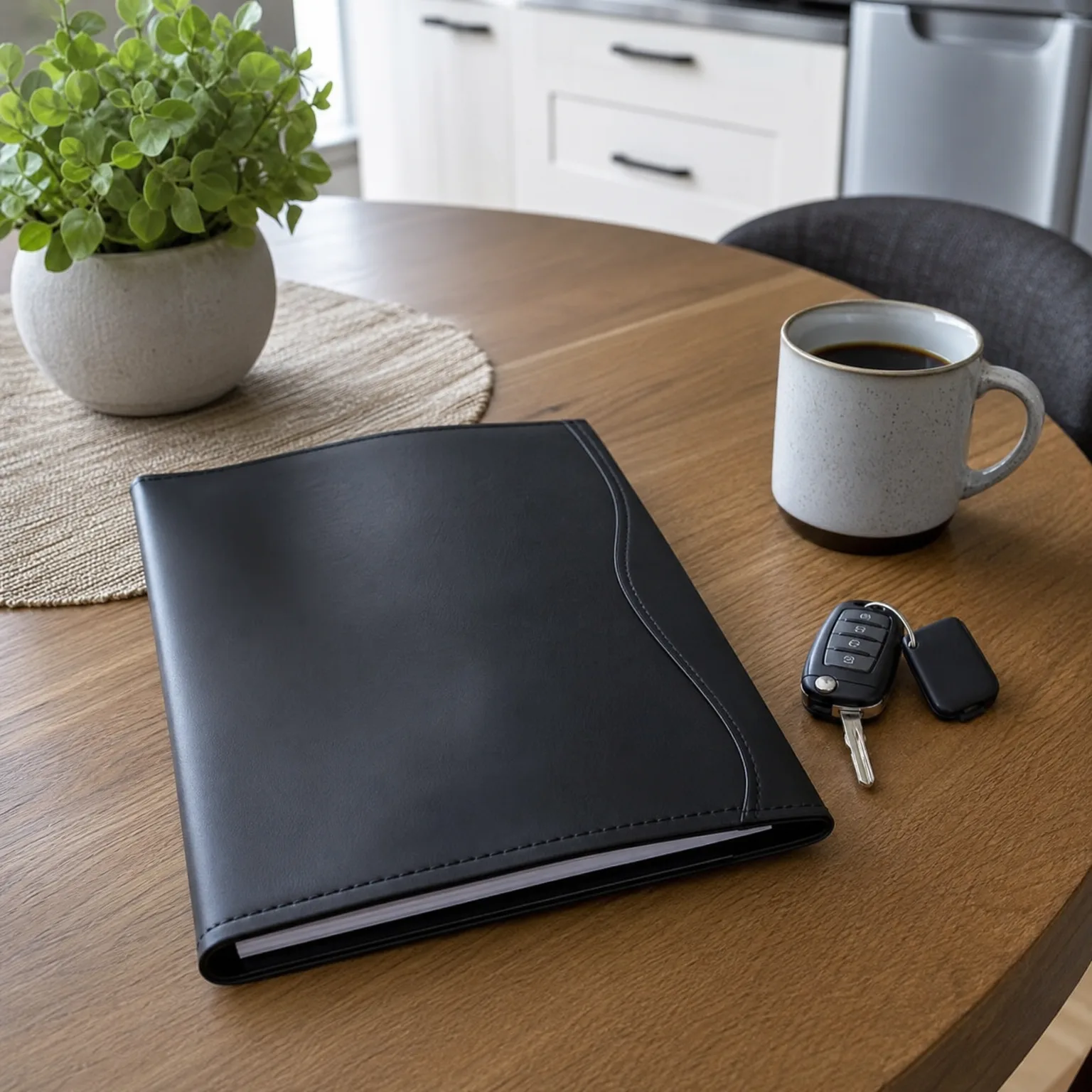
Should Your First Car Be New or Used
For most new drivers, a used car makes more sense, because insurance already costs more while you have no driving record behind you.
Insurance has to guess at your risk, so it charges for the unknown
When you have no driving record, an insurer has nothing to measure you against. They don't know if you brake hard, how you handle highway merges, or whether you'll file a claim in the first year. So they price for the range of outcomes a new driver could have, and that range skews expensive. A new car makes that guesswork more costly, because a more valuable car means more money at stake if something goes wrong.
A used car lowers what's at stake on the vehicle side while you're still an unknown quantity on the driver side. If it's worth less, the insurer's maximum payout is smaller, so the coverage tied to the car's value costs less too. That doesn't change how insurers see your lack of history, but it removes one of the two things working against you at once.
There are cases where a new car still makes sense. Some newer models come with safety features that genuinely lower the chance of a serious accident, and a few insurers factor that in. If you're financing the car, the lender may also require coverage levels that erase some of the savings you'd expect from going used. Check with any insurer you're considering before assuming either direction saves you money.
The bigger factor, in either case, is still you. A year of clean driving will move your rate more than the choice of car will. The car affects one part of the bill. Your record affects all of it, for years afterward.
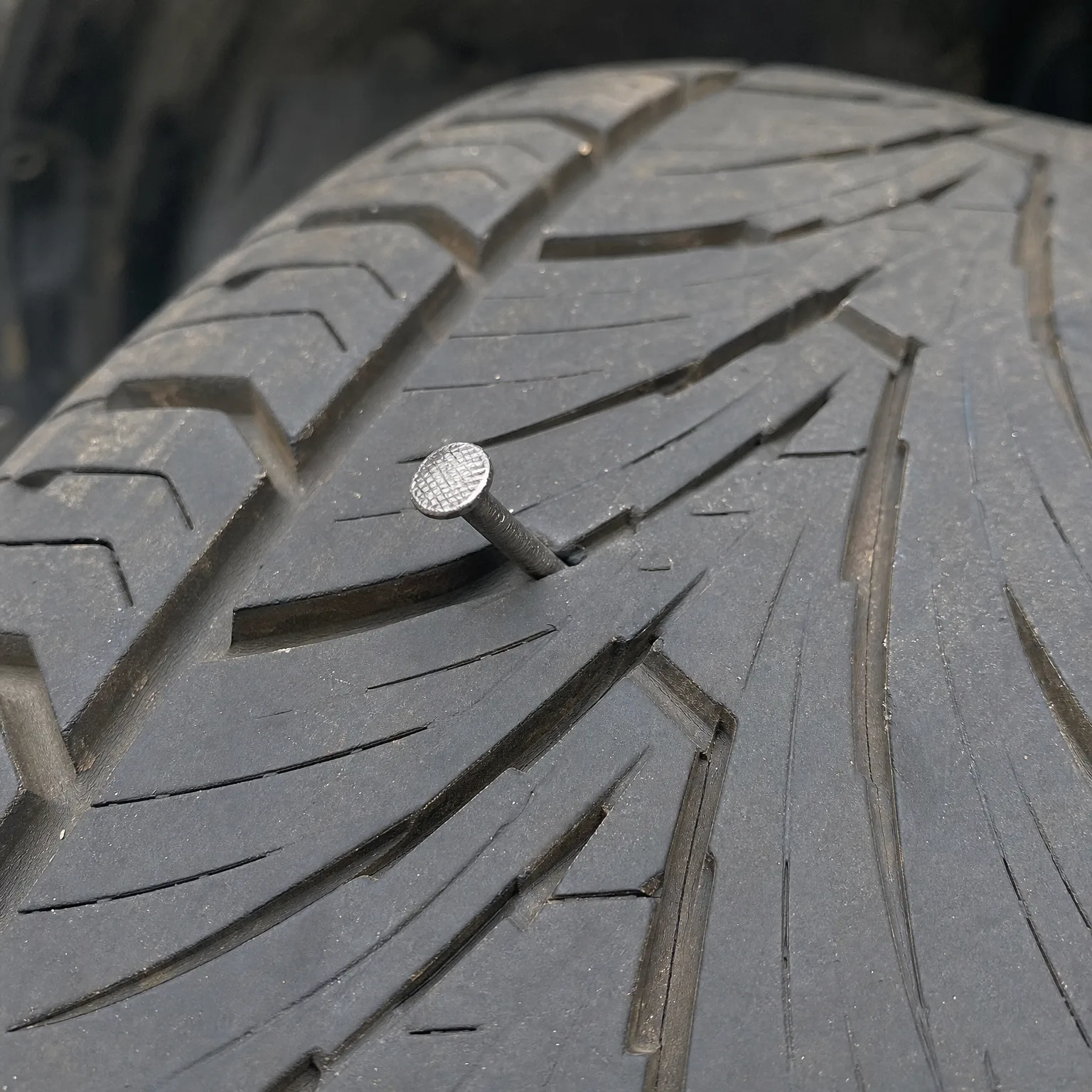
What actually decides the cost of your first car
- The car's value A cheaper, used car costs less to insure because there's less money at stake if it's totaled or stolen. Look at used models before deciding what you can afford to buy.
- Required coverage if financed A lender will likely require more coverage than state minimums, on a new or used car. Ask the lender exactly what's required before you shop for insurance.
- Safety and repair ratings Some cars cost less to insure because they're cheaper to repair or statistically safer. Check a model's safety and repair history before buying, not after.
- Who's listed on the policy Being added to a parent's or partner's existing policy is often cheaper than starting your own. Ask if this is possible before assuming you need a separate policy.
- Your record going forward Every clean month on the road lowers what you'll pay later, regardless of the car. Treat the first year of driving as the thing that saves you the most money.
Will a new car really cost that much more to insure than a used one?
Usually yes, but the gap depends more on the specific car than on new versus used as categories. A new car that's modest and common to repair can cost less to insure than an older car that's rare, fast, or expensive to fix.
What drives the cost is the car's value, how expensive it is to repair, how often that model is stolen, and how it tends to perform in crash data. Two cars from the same year can have very different insurance costs for these reasons.
If you're deciding between a new and used version of the same model, the used one will almost always cost less to insure, because its value is lower. But if you're comparing two completely different cars, run quotes on the actual models before assuming new costs more. The label matters less than the car underneath it.
Once you know which car fits your situation, compare quotes on that exact model to see what you'd actually pay.

Buy new or buy used for your first car
If you do
If you buy used, your monthly payment and insurance bill both start lower, giving you room to build a driving record without financial pressure. If something goes wrong, like a fender bender while you're still learning, the cost to fix or replace the car is smaller, and so is the hit to your budget.
If you don't
If you buy new, you pay more for the car and usually more to insure it, while your lack of driving history is still priced in on top. A first accident becomes costlier to resolve, and the combined loan and insurance payment can stretch a new driver's budget further than expected.
A driver choosing between a new compact and a used sedan
Say you just got your first license because a new job requires a commute, and you're looking at two options. One is a new compact car with a loan payment. The other is a used sedan from a private seller, paid for outright. You get quotes on both before deciding anything.
The new car's insurance comes back higher, partly because of its value and partly because the lender requires fuller coverage than you'd choose on your own. The used sedan's quote is lower on both fronts, since there's no lender requirement and less value at risk. You buy the used sedan, carry it while you build a clean record, and revisit the new car later once your rate reflects real driving experience instead of none. By then the price gap between new and used insurance has narrowed, because your record is doing more of the work that the car used to.
Should I just get added to my parent's or spouse's car insurance policy instead?
It's often cheaper to be added to an existing policy than to start your own, especially with no driving history yet. Being on a policy with an established record can let you borrow some of that history's benefit, even though you're new to driving.
Check whether the policyholder is open to this and whether the insurer allows it for your relationship and living situation. Some insurers limit this to people living in the same household. If you'll eventually need your own policy, ask how the transition is handled when that day comes.
Does the color or style of my first car affect my insurance rate?
No, the color itself doesn't affect your rate at all, that's a long-standing myth. What matters is the car's make, model, trim, value, repair cost, and safety record, not its paint.
Style can matter indirectly, since sportier trims or performance versions of a model often cost more to insure than the standard version of the same car. If two trims look similar but one has a more powerful engine, check both before buying, because the quote can differ more than you'd expect.
How much does having no driving record actually raise my insurance cost?
It raises your cost noticeably, though the exact amount depends on your insurer and state, so you'll need a quote to see the real number for you. What matters is that this cost isn't permanent, it reflects the insurer's uncertainty about you specifically, not a fixed penalty.
As you build a clean record, typically checked at renewal, that cost comes down on its own. Some insurers also offer a monitored driving program that can shorten the time it takes to prove you're a safe driver. Ask if that's available before committing to a policy.