What Accident Types Raise Car Insurance Premiums Most
At-fault accidents with injury or major damage raise premiums most, especially when you have little driving history to balance them.
The less history you have, the more one accident counts
Insurers price you on predicted risk, and with no years of driving behind you, there's little data to prove you're careful. A single accident becomes a much bigger share of what they know about you than it would for someone with a decade of clean records. That's why new drivers often see sharper increases than experienced drivers after the same type of crash.
Fault matters most. An accident ruled your fault signals that your driving caused the loss, so insurers weigh it heavily. An accident that wasn't your fault, where another driver is clearly responsible, usually affects you far less or not at all, though some insurers still note it happened.
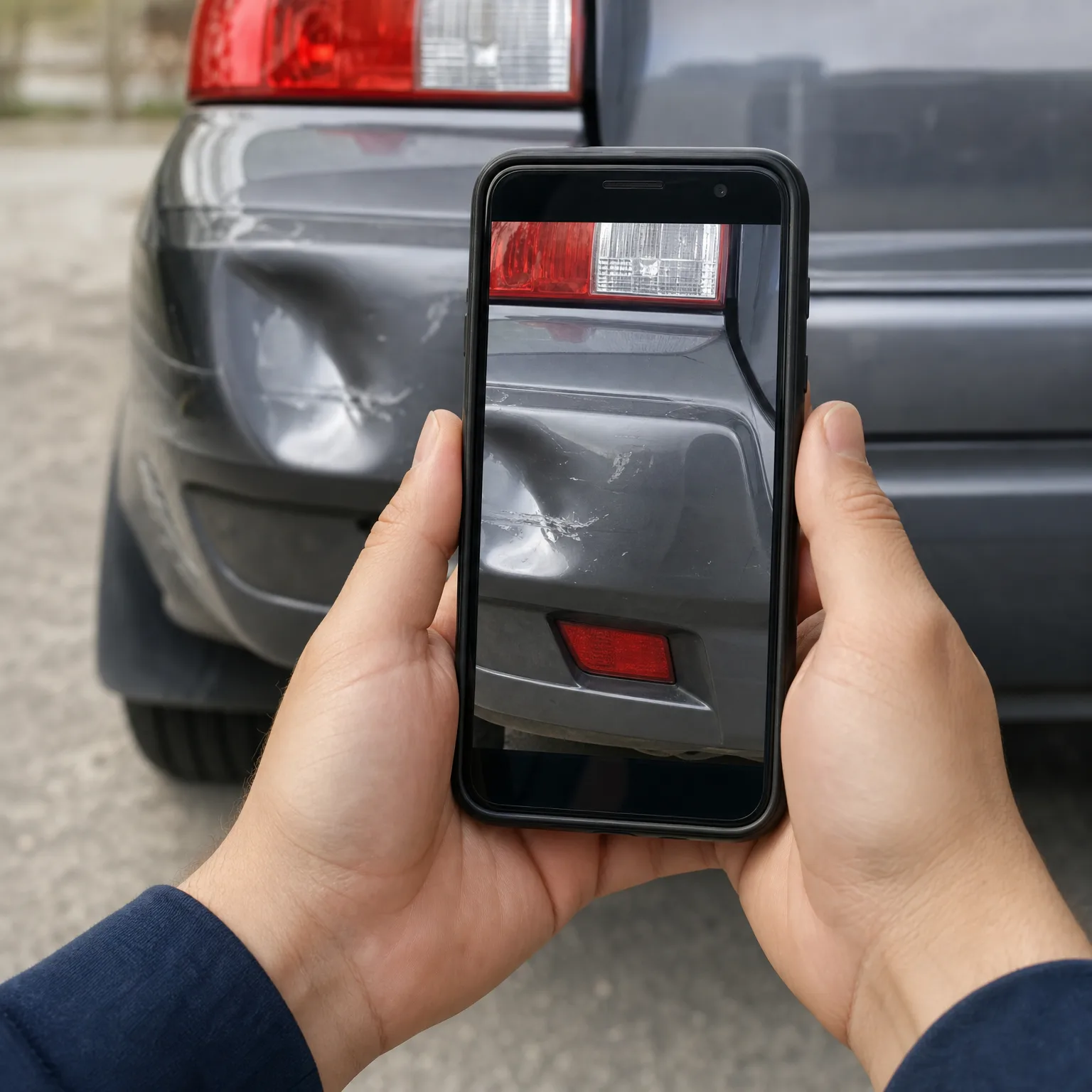
Cost and injury drive the size of the increase. A fender bender with minor damage costs the insurer little, so the premium impact is smaller. A crash involving injury, a totaled vehicle, or significant property damage costs much more to settle, and insurers raise your rate to offset the higher payout they expect from someone who's shown that kind of risk once already.
This varies by state and insurer. Some states limit how much a single accident can raise your rate, or forgive the first one entirely under certain conditions. Some insurers weigh fault and severity differently than others. Check how your specific state regulates rate increases after accidents, and ask any insurer you're considering how they classify at-fault versus not-at-fault claims before you commit.
Will a minor fender bender follow me for years?
Usually yes, but the effect fades and isn't permanent. Most insurers look back a set number of years when pricing your policy, often three to five, and an accident outside that window typically stops counting. The exact lookback period depends on the insurer and sometimes the state, so it's worth asking directly rather than assuming.
What also fades is the weight of the accident as you build more clean driving history around it. A single minor accident surrounded by several years of no further claims matters less over time, because it becomes a smaller fraction of your overall record. The best way to shorten its effect is simply to keep driving without another incident, since that's what rebuilds the trust a thin record couldn't yet provide.

Whether you report a minor accident to your insurer
If you do
Your insurer logs the claim and may raise your premium at renewal, especially with little history to offset it. But you're covered for repairs or injury costs now, and you avoid risk of denial or cancellation later if the damage turns out worse than it first seemed.
If you don't
You avoid an immediate increase, but you're paying out of pocket for repairs or injury costs, and if problems surface later, your insurer could deny a related claim for not being told. You also lose the option to get help if the other driver disputes fault.
Now that you know which accidents raise rates most, compare quotes to see how insurers price your driving history.
What actually determines how much an accident costs you
- Who was at fault Fault is the single biggest factor. Get a copy of the police report or insurer's fault determination so you know exactly how the accident was classified before you talk rates.
- How much it cost to settle Bigger payouts mean bigger increases. Ask your insurer directly how the dollar amount of a claim translates into your specific rate change.
- Whether anyone was injured Injury claims cost far more than property damage alone, and insurers price that risk heavily. If no one was hurt, make sure your insurer's records reflect that accurately.
- How thin your driving record is With few years on record, one accident carries more weight proportionally. Keep driving cleanly afterward, since that rebuilds the balance faster than anything else.
- Your state's rules on rate hikes Some states cap or delay how much a single accident can raise your premium. Check your state's insurance department site for any such protections before assuming the worst.

The accident itself matters less than how little driving history you have to balance it.