What Does It Mean if My Deductible Is $2000
It's the line where your money stops and insurance starts
A deductible is not a fee or a penalty. It is the amount of a covered loss you agree to absorb before your policy begins paying.
Insurers set it up this way because small claims cost almost as much to process as large ones, and covering every minor scrape would push everyone's rates up. A higher deductible shifts the small, predictable costs onto you, so you only lean on insurance for the losses that would actually hurt.
This applies to collision and comprehensive coverage, the parts that pay for damage to your own car. It generally doesn't apply to liability coverage, which pays for damage you cause to someone else, that has no deductible at all.
For you specifically, since you're still building a driving record, this number matters more than it might for someone with years of claim-free history. A high deductible keeps your premium manageable while you establish that record, but it also means a minor accident early on could cost you more out of pocket than you'd expect.
A parking lot scrape that only reached the deductible
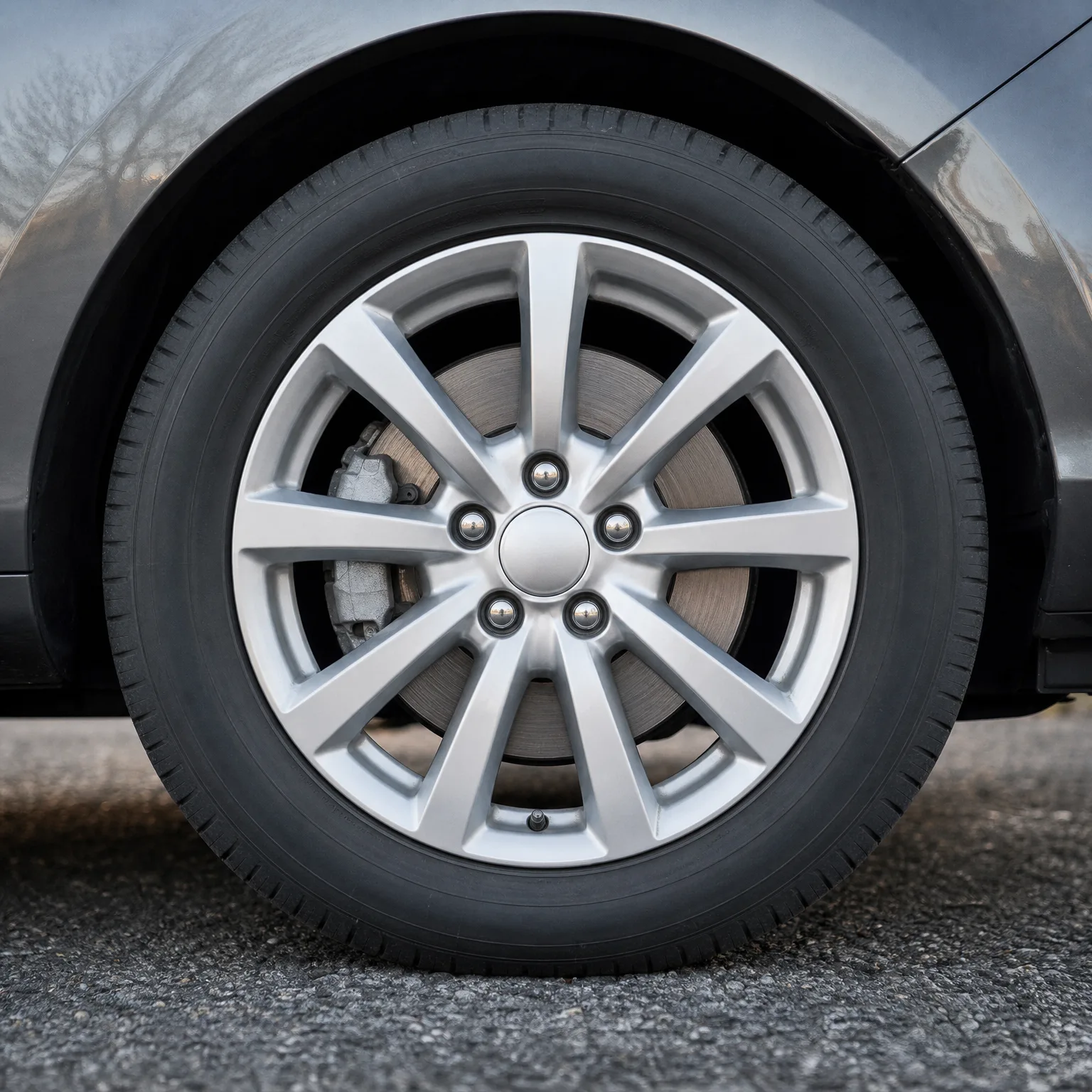
Say you back into a post and the repair estimate comes in a bit below your deductible. You call your insurer, they confirm the estimate, and because the repair cost is below your deductible, you simply pay the shop directly. No claim gets filed, nothing shows up on your record, and your premium isn't affected.
Now say the same accident happens but the estimate comes in well above your deductible because it damaged the frame. In both cases the deductible worked the same way, it set the threshold for whether insurance got involved at all, and understanding that threshold ahead of time helps you decide whether to even report smaller incidents.
Now you know what your deductible covers, so compare quotes to see how deductible levels change your premium.
Should I lower my deductible now that I understand what it means?
A lower deductible raises your premium every month in exchange for lowering what you'd owe at claim time, so you're trading a certain, ongoing cost for a smaller uncertain one. If you have that amount set aside and could absorb it without trouble, keeping the higher deductible and the lower premium usually makes more financial sense over time. Since you're still new to driving, also weigh that your odds of a claim may be higher right now than they'll be once you've built a longer record.
Can I change my deductible after I buy the policy?
Yes, most insurers let you raise or lower your deductible at any time, though the change usually takes effect at your next billing cycle rather than instantly. Call your insurer or check your online account to see the exact options and how quickly a change applies. If you're mid-claim, changing it won't affect that claim, only future ones.
What happens if I can't afford to pay my deductible after an accident?
The repair shop generally won't release your car until the deductible portion is paid, since insurers only send their share of the payout. Some shops will work out a payment plan directly with you, so it's worth asking before assuming you're stuck. This is exactly why it's worth choosing a deductible you could realistically cover on short notice.
Does a higher deductible affect how insurers see me as a new driver?
Not directly, insurers price your risk mainly from your driving record, age, and the car you drive, not the deductible you choose. Choosing a higher deductible lowers your premium but doesn't change how risky you appear to the insurer. Your record builds the same way regardless of which deductible you pick.