What Goes Against Your Car Insurance Deductible
Your deductible comes off the top of a covered claim, and only the repair or replacement cost counts against it, nothing else.
The deductible only applies to the damage estimate, nothing more
A deductible is a fixed number attached to your policy, usually tied to collision and comprehensive coverage. When you file a claim, the insurer figures out what the covered damage costs to fix or replace, then subtracts your deductible from that number before paying you. Nothing else enters that math. Your driving record, how many claims you've filed, or how new you are to driving doesn't change the deductible itself on a given claim, though it can affect what deductible you're offered or what you pay for the policy overall.
The part people get wrong is thinking the deductible is a running total, like it goes down as you pay into it over time. It doesn't work that way. Each claim is separate, and your full deductible applies every time, every year, for as long as the policy is active. If you have two accidents in the same year, you pay the deductible twice, once per claim, not once total.
What counts toward satisfying the deductible is the actual cost of repairing or replacing the covered property, meaning your car. Towing tied to that same incident, a rental car if your policy includes that coverage, or a diagnostic fee a shop charges just to look at the car can sometimes be bundled into the claim, but check your policy or ask your insurer directly, because this varies. Medical costs, costs to the other driver's car, and anything covered under liability instead of collision or comprehensive don't touch your deductible at all, since liability coverage doesn't have one.
If you're new to driving and still building a record, this matters because you're likely choosing between a higher or lower deductible right now. A lower deductible means less out of pocket when something happens, which can matter while you're still learning, but it usually costs more upfront. That tradeoff is worth thinking through before you're in a situation where you need to use it.

The short version
Only the cost to repair or replace your car counts against your deductible, not your driving history. Each claim resets it, it isn't a balance that shrinks over time. If you're picking a deductible now, think about what you could pay out of pocket on short notice, and check your policy for what else bundles into a claim.

A new driver's first fender bender
Say you've had your license eight months and you back into a pole in a parking lot, denting your rear bumper. You call your insurer, they send you to a shop, and the estimate comes back at a certain cost to fix it. Your policy has a deductible, and the insurer subtracts that deductible from the repair estimate, then cuts you a check or pays the shop directly for the remainder. You pay the deductible amount yourself, either upfront to the shop or it gets deducted from what the insurer sends you.
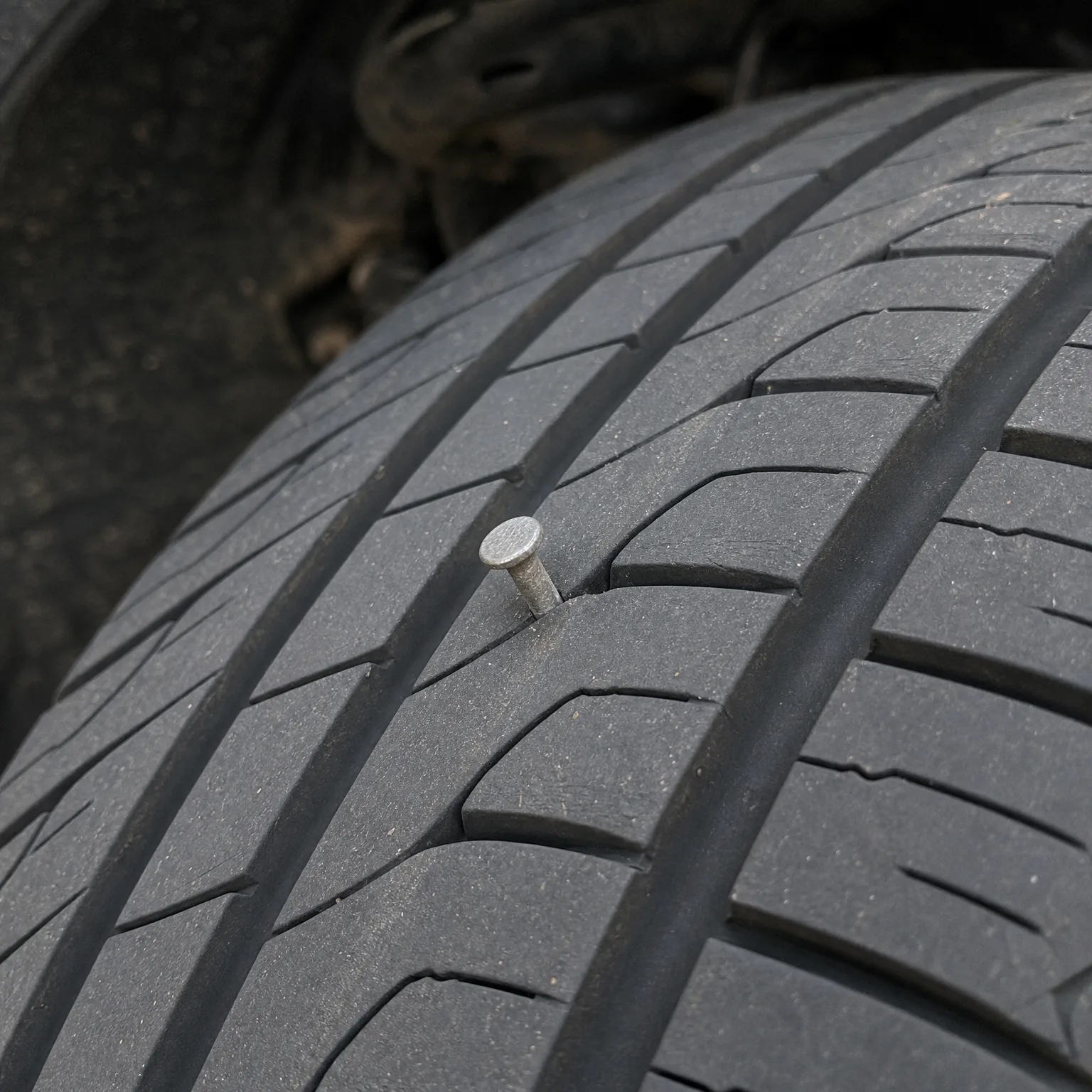
A few weeks later you get a flat from hitting debris on the highway, and the tire shop also notices a cracked rim. You file a separate claim for that, and your full deductible applies again, because it's a new, unrelated incident. Nothing about the bumper claim carries over or reduces what you owe this time. If you'd had a lower deductible, you'd have paid less out of pocket both times, but you likely would have paid more for the policy itself to get that lower number. Knowing that tradeoff ahead of time, rather than discovering it mid-claim, is usually the difference between feeling prepared and feeling caught off guard.
Now you know what counts, compare quotes to find a deductible that fits what you can afford.

Choosing a lower deductible versus a higher one
If you do
With a lower deductible, you pay less out of pocket when you file a claim, which helps if you're still building savings or driving experience. Your premium is usually higher to offset that. Over a year with no claims, you pay more overall for coverage you may not use.
If you don't
With a higher deductible, your premium is usually lower, so you save month to month. But if you do file a claim, you owe more out of pocket before the insurer pays anything. For a new driver still learning, that can mean an unexpected, larger expense right when you're least prepared for it financially.
Can you change your deductible after you've already picked one?
Yes, you can usually change your deductible at any point, not just when you first buy the policy or at renewal. Call your insurer or log into your account and ask to adjust it, and the change typically takes effect quickly, sometimes immediately or at your next billing cycle. Your premium adjusts accordingly, going up if you lower the deductible or down if you raise it.
The one thing to watch for is timing. If you lower your deductible right before filing a claim, insurers generally look at what your deductible was at the time of the incident, not what you changed it to afterward, so changing it after an accident won't help with that claim. Also check whether your insurer charges a fee or has restrictions on how often you can change it, since that varies by insurer and is worth asking about directly before you request the change.