What Happens if I Give Someone My Car and They Crash It
In most cases your insurance follows the car, so your policy pays first even if you weren't driving.
What decides how the claim gets handled
- Your policy is primary Insurance generally attaches to the vehicle, not the driver. If a friend crashes your car with your permission, your policy pays first, and theirs only steps in after yours runs out.
- Permission matters If you clearly let them borrow the car, that counts as permissive use. If they took it without asking, your insurer may fight the claim, so be honest about how it happened.
- Your rates can rise The claim lands on your record even though you weren't driving. Ask your insurer directly whether a claim like this counts against you before you hand over the keys.
- Their driving history can matter Some insurers ask who regularly drives your car and may adjust pricing if someone with a poor record uses it often. If this becomes a regular arrangement, tell your insurer so coverage stays valid.
- State rules on this vary How permissive use and excluded drivers are treated differs by state and by insurer. Check your policy's language or call your agent before lending the car to someone new.
Lending your car to a friend for the weekend
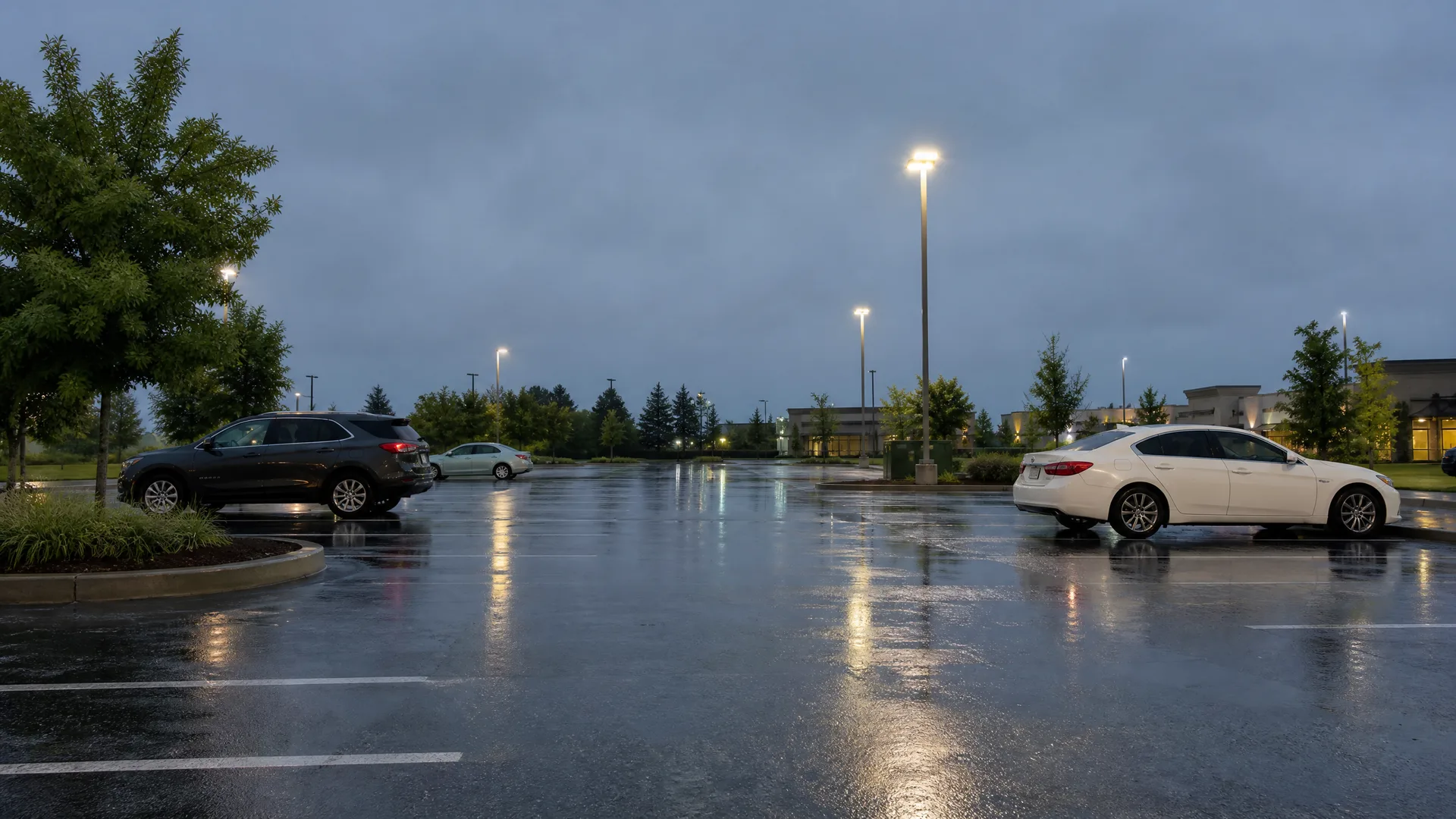
Say you let a friend borrow your car while their own is in the shop. They take a turn too fast on a wet road and hit a parked car. Nobody is hurt, but both vehicles need repairs. Because you gave them permission to drive, your insurance is the first to respond. The claim goes through your policy, your deductible applies, and the damage gets paid out from your coverage rather than theirs.
Afterward, you call your insurer to ask how the claim affects you going forward. They confirm it will show on your record even though another person was driving, because the vehicle was yours. Your friend's own insurance might help cover anything beyond your limits, but only after yours is used up. You decide that next time, you'll ask upfront whether someone's a safe enough driver to trust with your car, and you'll check with your insurer first if it becomes a regular thing.
Now that you know whose policy answers first, compare quotes that reflect how you actually use your car.

Should you let someone else drive your car
If you do
Your policy covers the crash first, since coverage follows the vehicle. You'll likely pay your deductible, and the claim can affect your record and future rates, even though you weren't behind the wheel. Confirm you gave clear permission so the claim isn't disputed.
If you don't
If you never hand over the keys, you avoid this entirely. But sometimes you can't avoid it, a family member borrows the car once, or an emergency comes up. In those moments, knowing your policy follows the car protects you from surprise gaps in coverage.
Does my insurance cover a friend driving my car?
Yes, as long as you gave them permission. Insurance generally follows the vehicle, so your policy responds first regardless of who's driving, unless that person is specifically excluded on your policy. Check your declarations page for any excluded drivers, since lending your car to someone you've excluded can leave you without coverage. If you regularly let the same person drive, mention it to your insurer so there's no question about permission later.
What if the person driving my car doesn't have their own insurance?
It usually doesn't matter, because your policy is primary either way. Your insurance pays for the damage up to your limits, regardless of whether the driver carries their own coverage. Their insurance, if they have any, would only apply after yours is exhausted. The bigger concern is whether they have a valid license, since letting an unlicensed driver use your car can complicate or void a claim.
Can I remove a claim from my record if I wasn't driving?
No, the claim stays tied to your policy even if someone else was driving. Insurers track claims by vehicle and policyholder, not just by who caused the crash. Some insurers offer forgiveness for a first claim, but that depends on your specific policy and history. Ask directly whether this situation qualifies before assuming it will or won't affect your rate.

Your insurance protects the car, not just you, so think about who you hand the keys to.