What Happens if I Write Off My Financed Car
Your insurer pays the car's value, not your loan balance, so if you owe more than it's worth, you cover the difference yourself.
What actually happens when a financed car is totaled
- Insurer pays market value Your claim is settled based on what the car was worth right before the loss, not what you paid or what you still owe. Check your policy now to see how that value gets calculated.
- Lender gets paid first The insurance payout goes to your lender before anything comes to you, since they hold the title until the loan is paid off. Ask your lender for your exact payoff amount so you know where you stand.
- Gap coverage fills the shortfall If you owe more than the car's value, gap coverage pays that difference so you're not stuck paying for a car you no longer have. Check whether your policy includes it or if your lender required it separately.
- No gap means you still owe Without gap coverage, you're responsible for any balance left after the insurance payout and your deductible are applied. Call your lender right away to set up a payment plan if this happens to you.
- You can add gap coverage early If you don't have gap coverage yet, you can often add it before a loss happens, but not after a crash has occurred. Ask your insurer today if it's available and what it costs to add.
A newer car, a big loan, and a short payout
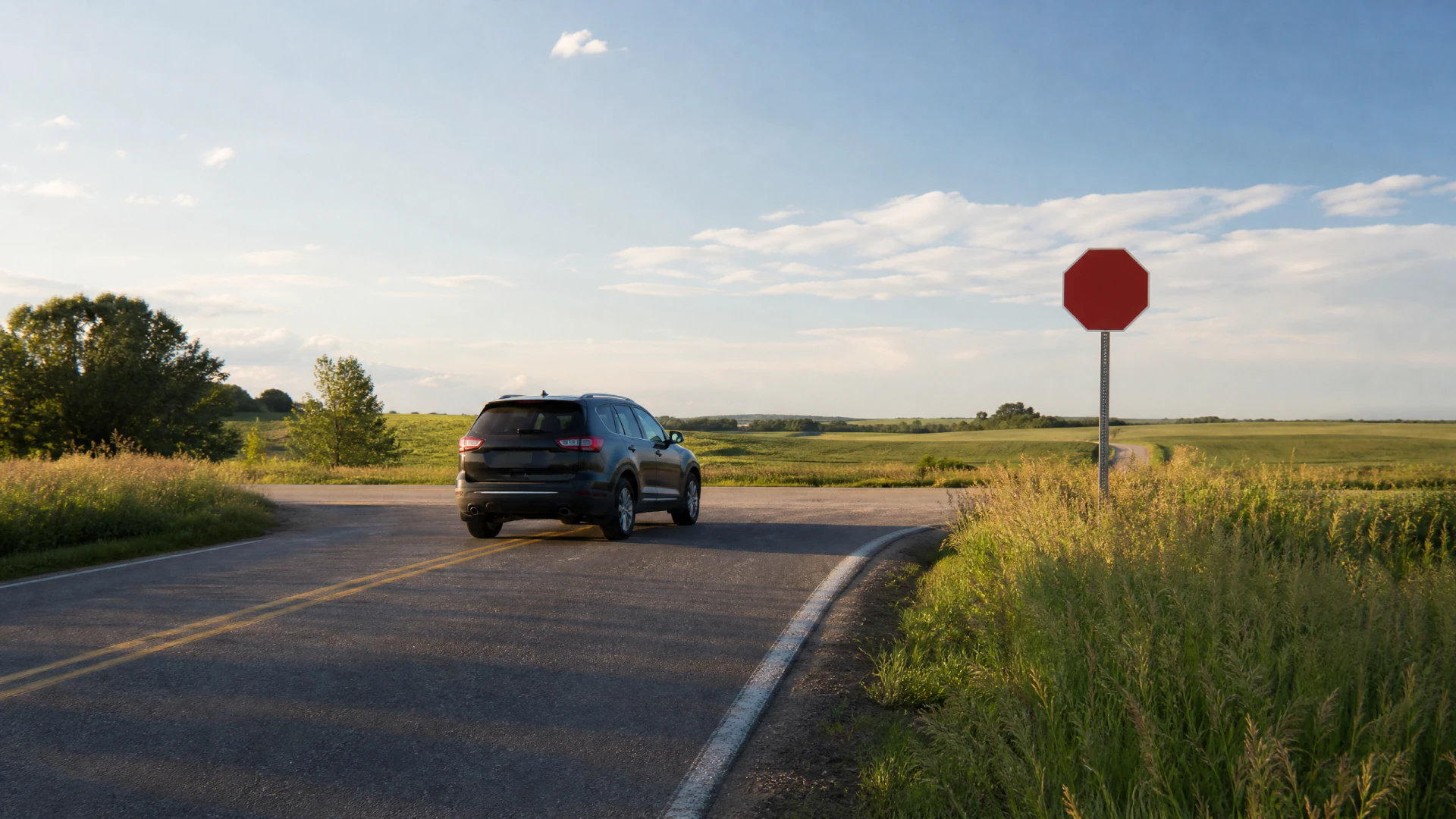
Say you financed a car two years ago with a small down payment. You're driving to work and another driver runs a light, totaling your car. Your insurer inspects the damage and declares it a total loss, then sends an adjuster's estimate of the car's current value. That number is lower than what you expected, because the car has already lost value faster than you've paid down the loan.
You call your lender for the exact payoff amount and compare it to the insurance settlement. There's a gap of a few thousand dollars. Because you added gap coverage when you financed the car, you file a second claim with that coverage, and it pays the remaining balance directly to your lender. Within a few weeks, the loan is closed out and you owe nothing more. If you hadn't had that coverage, you would have kept making payments on a car you could no longer drive.

Whether you had gap coverage before the crash
If you do
Your insurer pays the car's value, then gap coverage pays what's left on your loan. You file both claims, send your lender the payoff statement, and the loan is closed. You walk away owing nothing more on a car you no longer have.
If you don't
Your insurer pays the car's value, but your loan balance may be higher. You still owe your lender the difference, in full or through a payment plan. That debt continues even though you no longer have the car to show for it.
Now that you know how a total loss settles against your loan, compare quotes that include the gap coverage to match.
Why the payout and your loan balance don't match
Insurance is built to replace what you lost, not to repay what you borrowed. The moment you drive a new car off the lot, it starts losing value, often faster than your loan balance drops, especially in the early years of a loan or with a small down payment. That gap between value and balance is just math, not a flaw in your policy.
Lenders require full coverage on financed cars because they have a financial stake in the vehicle until it's paid off. But standard insurance was never designed to protect the loan itself, only the car. That's the reason gap coverage exists as a separate, optional product rather than something bundled automatically into every policy.
The size of the gap depends on how you financed the car. A long loan term, a small down payment, or rolling over debt from a previous car all widen the space between what you owe and what the car is worth. If you put more money down or chose a shorter loan, you might never face a meaningful gap at all, which is why gap coverage isn't something everyone needs.
State rules and insurer practices affect some of the details, like how total loss value is calculated or whether gap coverage is sold through the lender or the insurer. Check your loan agreement and your policy directly to see which applies to you, since these specifics shift depending on where you live and who you financed through.
The loan and the car are two separate things, and only one of them is guaranteed to lose value fast.