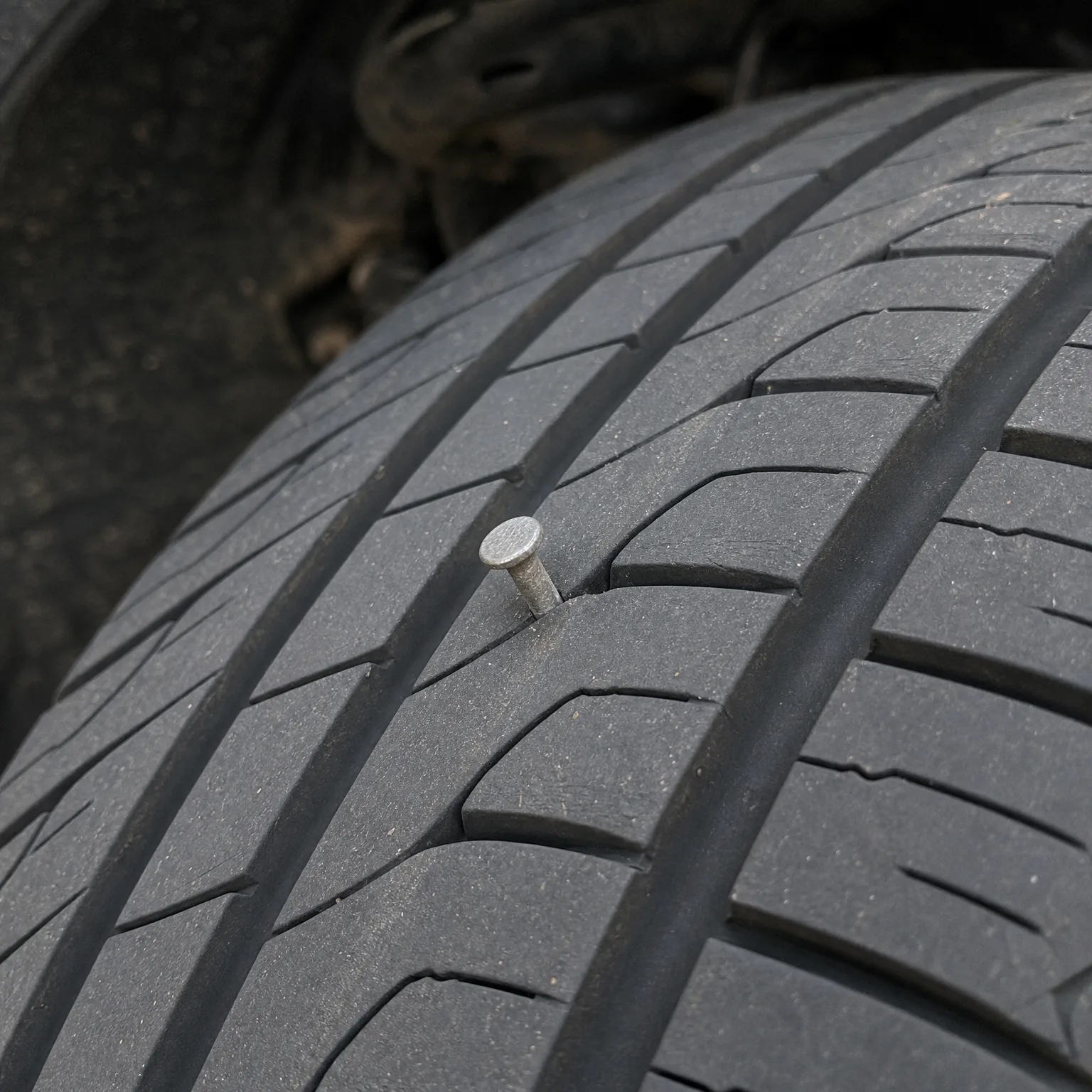
What Is a Comprehensive Deductible
A comprehensive deductible is what you pay before insurance covers damage from theft, fire, hail or hitting an animal.

What a comprehensive deductible actually covers and controls
- Non-collision damage only Comprehensive covers things that aren't a crash with another car, like weather, animals, vandalism or theft. Check your policy to see which events fall under comprehensive versus collision.
- You pay it per claim The deductible applies each time you file a comprehensive claim, not once a year. If you expect more than one claim, factor that in when you pick an amount.
- Higher deductible, lower premium Choosing a higher deductible usually lowers what you pay for coverage, since you're taking on more of the risk yourself. Pick a number you could actually pay in cash if something happened tomorrow.
- It's separate from collision Your comprehensive and collision deductibles can be different amounts on the same policy. Ask your insurer if you want them to match or if you want one higher than the other.
- Some claims skip it entirely Many insurers waive the deductible for a cracked windshield if you choose repair instead of replacement. Ask your insurer directly, since this varies by company and by state.
Should you pick a high or low comprehensive deductible?
It depends on how much cash you could pay quickly if your car was stolen, hit by a falling branch, or damaged in a flood. A higher deductible means a lower premium, but it also means a bigger bill the day you actually need to use the coverage.
If you have enough savings to cover a higher deductible without strain, choosing one usually saves you money over time, since comprehensive claims aren't constant for most drivers. If a sudden expense would be hard to absorb, a lower deductible costs more but protects you from being caught short.
There's no single right answer here. It's a tradeoff between what you pay now and what you might pay later, and the right choice depends on your own finances, not on what's typical for other drivers.

Choosing a higher comprehensive deductible to lower your premium
If you do
Your premium drops, sometimes noticeably. If your car is stolen or damaged by weather, you pay more upfront before coverage kicks in. This works well if you have savings set aside and don't expect frequent claims.
If you don't
You keep a lower deductible and pay more for coverage over time. If something happens, you pay less out of pocket at the moment you file a claim. This suits you if a sudden expense would be hard to cover right now.
Once you know what deductible fits your budget, compare quotes to see how it changes your price across insurers.
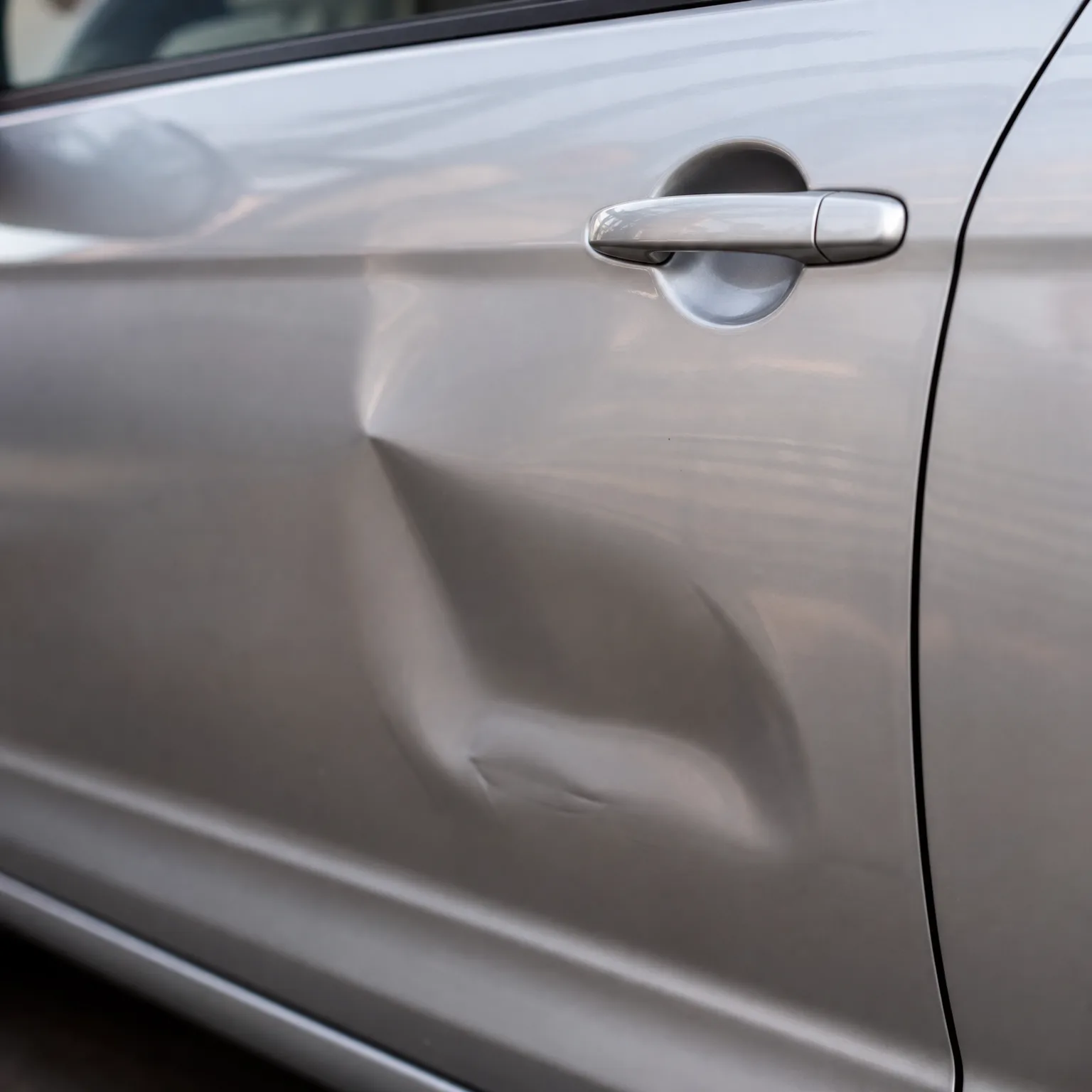
A hailstorm damages your parked car overnight
You wake up to dents across the hood and roof after a hailstorm came through overnight. You check your policy and see you have comprehensive coverage with a deductible you chose when you signed up. You call your insurer, they send an adjuster, and the repair estimate comes back higher than your deductible.
You pay your deductible amount, and the insurer covers the rest of the repair cost. Because you'd set your deductible at a level you could handle without stress, covering your share didn't disrupt your budget. The claim also reminds you to check your deductible again next renewal, since your savings and situation might look different a year from now.

Does a comprehensive claim raise my insurance rate?
It can, but less often than a collision claim does, since comprehensive events usually aren't considered your fault. Some insurers treat weather or theft claims as neutral, while others still factor them into your rate at renewal. Check your policy terms or ask your insurer directly, since this varies by company and sometimes by state.
Is comprehensive coverage required or optional?
It's optional under state law but often required by a lender if you're financing or leasing your car. Once the loan is paid off, you can choose to drop it, though doing so means you'd cover any non-collision damage yourself. Check your loan agreement and your state's minimum coverage rules to see what applies to you.
Can I change my deductible after buying the policy?
Yes, you can usually change it anytime by contacting your insurer, not just at renewal. Raising it right before filing a claim won't help, since changes typically apply going forward. Ask your insurer when a change takes effect and whether adjusting it affects your premium immediately or at your next billing cycle.