
What Is a Red Flag When Buying a Car
A red flag is anything about a car's history or condition that quietly raises your risk and your insurance cost before you drive it.
The car's past shows up in what you pay to insure it
Insurers price a car based on what it's likely to cost them, not just what it costs you to buy. A car with a rebuilt title, a history of major accidents, or a salvage record carries a different risk profile than a clean one, even if it drives perfectly fine today. That history follows the vehicle, not the owner, so it affects anyone who insures it later, including you.
Some red flags matter because they signal hidden damage that wasn't fixed properly. A car that's been in a flood or a serious collision can have problems that don't show up until months later, electrical issues, frame weakness, rust in places you can't see. Insurers know this pattern well, which is why certain histories raise rates or limit the coverage available, regardless of how the car looks now.
Other red flags are about the car itself rather than its past. Models with high theft rates, expensive parts, or a reputation for costly repairs tend to cost more to insure because claims on them run higher. This isn't about judgment, it's about math. The insurer is estimating what they'll likely pay out, and a car that's expensive or complicated to fix pushes that estimate up.
What counts as a dealbreaker varies by insurer and by state. Some states require sellers to disclose specific history, like flood damage or odometer rollbacks, while others leave more to the buyer to uncover. Check your state's disclosure rules and ask your insurer directly how a specific title history or model would affect your quote before you commit to buying.
Should a clean title but high mileage worry me?
Not on its own. High mileage tells you the car has been used a lot, but it doesn't tell you how well it was maintained or whether it was in any accidents. A clean title means the car hasn't been declared a total loss, which matters more for insurance purposes than mileage alone.
What matters more is the maintenance record and an independent inspection. A high-mileage car with full service history and a clean inspection is often a safer bet than a low-mileage car with gaps in its records. Ask the seller for maintenance receipts, and consider paying for a pre-purchase inspection. That inspection will tell you more about the car's real condition than the odometer number ever could.

Whether you check the car's history before you buy
If you do
You pay a small fee for a vehicle history report and maybe an independent inspection. You find out about any accidents, title issues, or odometer problems before you sign anything. If something looks bad, you walk away or negotiate the price down. You buy with confidence, knowing what you're insuring.
If you don't
You buy based on how the car looks and drives that day. Weeks or months later, hidden damage surfaces, or you discover during a claim that the title was branded. Your insurer may deny part of a claim, or you learn you're paying more than expected because of a history you never knew about.
Once you know what to check before buying, compare quotes for that specific car to see the real cost of owning it.

What actually counts as a red flag
- Branded or salvage title This means the car was declared a total loss at some point. It can limit your coverage options and lower resale value, so ask for the full title history before buying.
- Flood or fire damage Hidden damage from water or fire often surfaces later as electrical or mechanical failure. Request a vehicle history report and have a mechanic inspect for signs of this specifically.
- Odometer inconsistency A mismatch between mileage and the car's condition or records can mean rollback or fraud. Compare the odometer reading against service records and past inspection stickers.
- High theft rate for the model Some models cost more to insure simply because they're stolen or damaged more often. Ask your insurer for a quote on the exact model before you commit to buying it.
- No maintenance history A seller who can't produce any service records makes it hard to know how the car was treated. Ask directly, and if none exists, budget for a thorough inspection first.
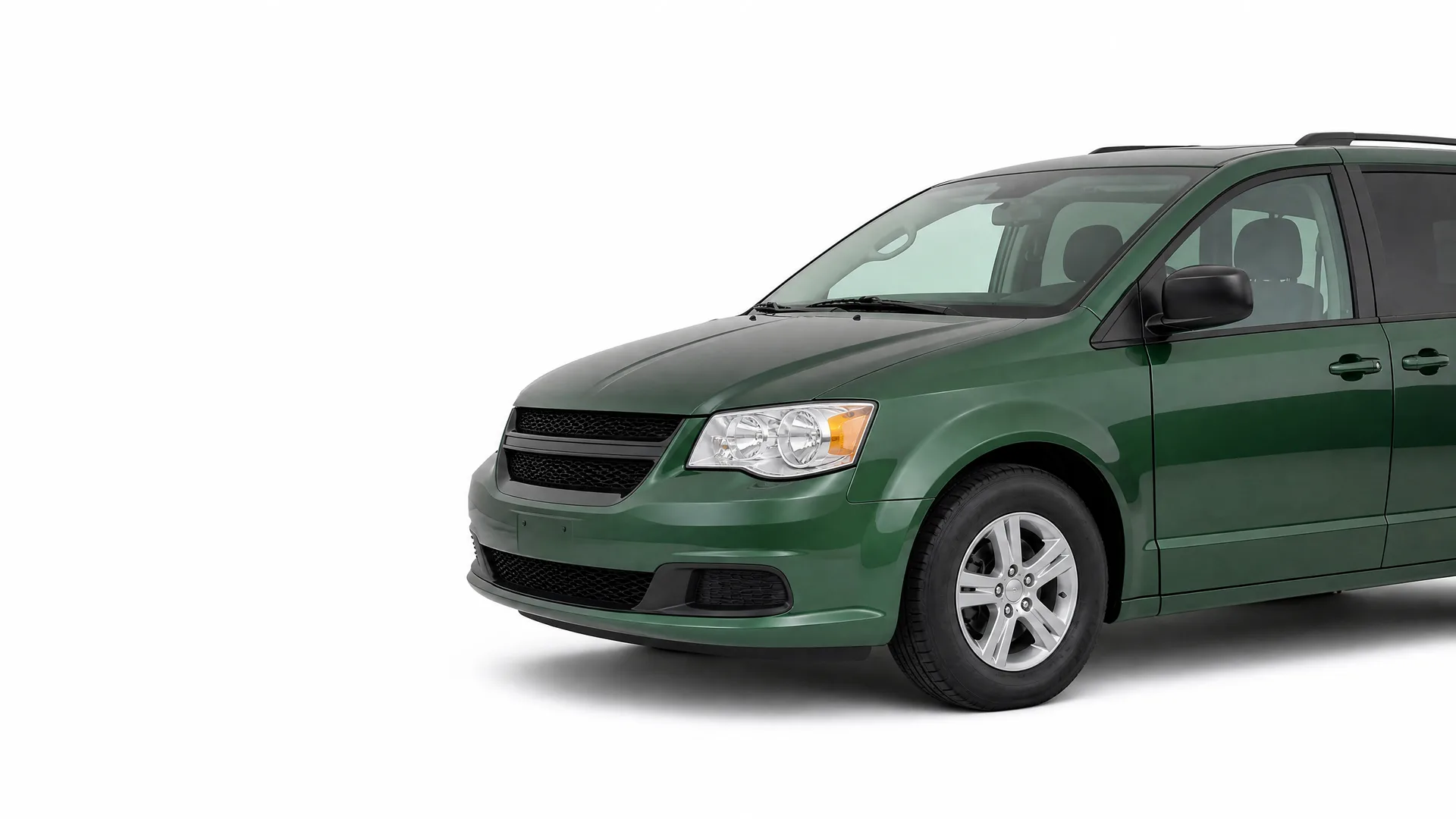
The car's history determines your insurance cost as much as your own driving record does.
Does a car's accident history always show up in a vehicle history report?
Not always. Reports rely on reported accidents, insurance claims, and official records, so minor accidents or repairs paid out of pocket often go unrecorded. This means a clean report doesn't guarantee a clean past. A thorough independent inspection catches things a report might miss, like frame damage or mismatched paint. If the seller seems evasive about past repairs, treat that as its own red flag worth investigating further before you buy or insure the car.
Will buying a car with a salvage title make it hard to insure at all?
It depends on the insurer and the state. Some insurers offer coverage for salvage or rebuilt titles but limit it to liability only, excluding comprehensive or collision coverage. Others decline these cars entirely. Before buying, call insurers directly and ask specifically about that title status, since this varies a lot and isn't something you want to discover after you've already paid for the car. Get the answer in writing if you can.
Should I get a car inspected before buying even if the history report looks clean?
Yes, because a clean report only reflects what's been officially recorded, not the car's actual mechanical condition. An independent inspection, done by a mechanic you trust rather than the seller's, can catch problems a report can't, like worn brakes, hidden rust, or signs of unreported repair work. This usually costs a modest fee but can save you from a costly surprise or from insuring a car that has undisclosed issues.