What Is Considered Minor Damage to a Car
Minor damage is anything cosmetic or small enough to fix without touching the car's frame, wheels, airbags or safety systems.
Insurers draw the line at safety and structure, not appearance
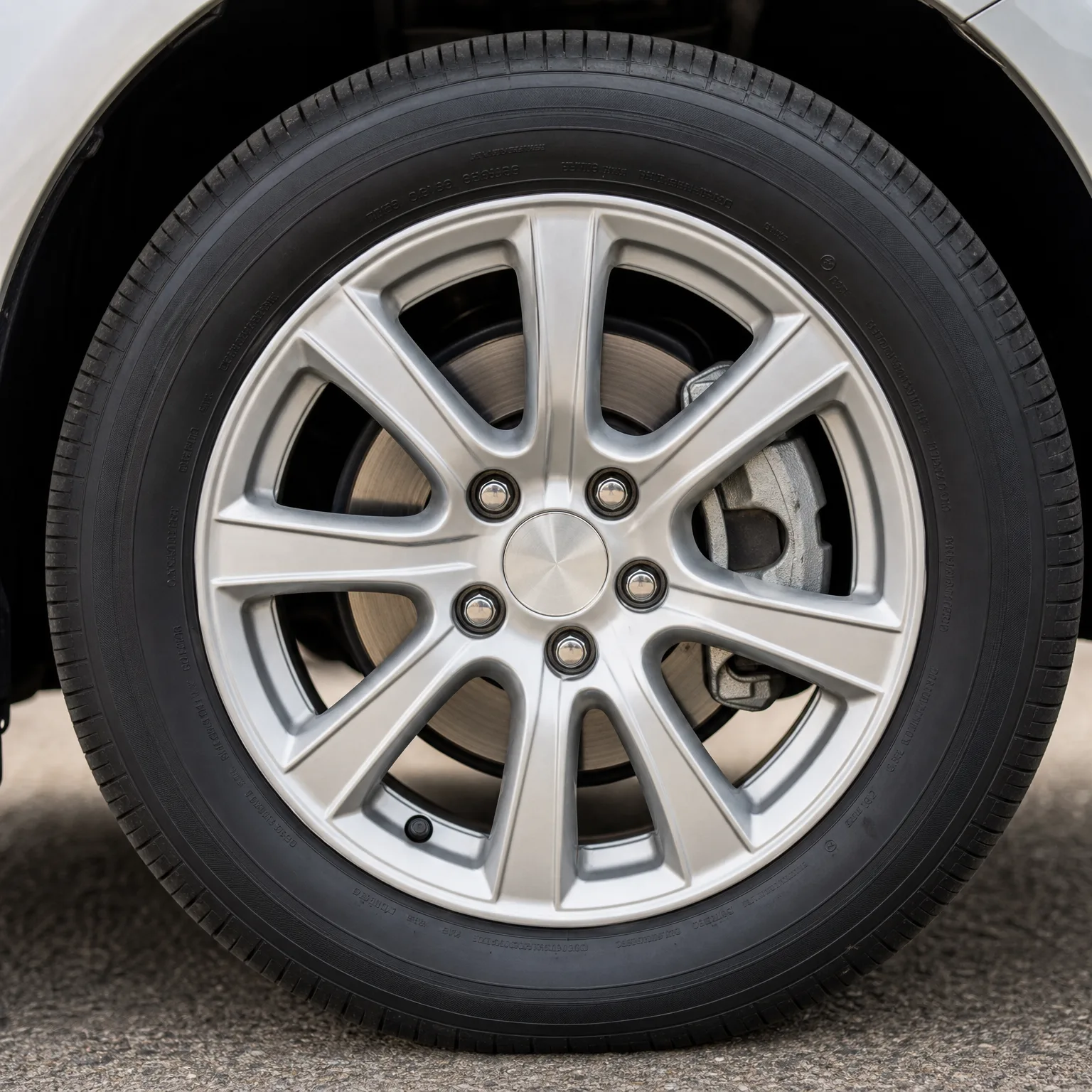
Minor damage is defined by what it doesn't touch. A scraped bumper, a small dent, a cracked taillight or a scratched door panel are minor because the car still drives the same and nothing underneath was affected. The moment damage reaches the frame, suspension, wheels, airbags or anything connected to how the car runs or protects you in a crash, it stops being minor no matter how small it looks from outside.
This matters more for you right now because you're still building a driving record, and every claim becomes part of that record. A minor claim for a small dent can sometimes raise your rate more, proportionally, than it would for someone with a long and established clean history behind it. Insurers are still trying to figure out what kind of risk you are, and a new driver's first claim carries more weight in that picture than the same claim would for someone with a well-established record on file.
What counts as minor can also depend on the car itself. A scratch on an older car with a low value might cost more to fix than the car is worth, which pushes it toward being treated as totaled even though the damage looks small. A newer car with sensors built into the bumper or cameras near the windshield can turn what looks like minor damage into an expensive repair, because recalibrating that equipment isn't optional once it's disturbed.
The exact threshold for what your insurer calls minor, and how it affects your rate, varies by insurer and sometimes by state rules on claims reporting. Check your policy or ask directly what dollar range or repair type they treat as minor before you decide whether to file.
Should I file a claim for minor damage or pay out of pocket?
Pay out of pocket if the repair cost is close to or below what you'd pay in higher premiums over the next few years, which for a new driver is often more than people expect. Filing protects you from a large bill now but can follow your record for years.
The way to decide is to get a repair estimate first, then call your insurer and ask how a claim of that size would affect your rate, since you're early in building a history. Many insurers will give you a straight answer before you file anything. If the estimate is small and your deductible is high, paying it yourself often keeps your record clean, which matters most while insurers are still forming their impression of you.
The real question is whether filing helps or hurts the record you're building, not how bad the damage looks.
Once you know what counts as minor and how a claim would affect your record, compare quotes with that decision made.

Filing a claim for minor damage versus paying for it yourself
If you do
You report the damage, get it repaired, and the claim goes on your record. Your insurer now has a data point about you as a driver, even for something small. This can raise your rate at renewal, sometimes more than the repair cost, since you're still early in your history.
If you don't
You pay for the repair yourself and nothing goes on file. Your record stays clean, which matters while you're still establishing a history. If the damage turns out worse than it looked once a shop examines it, you may lose the option to claim it later, so get an estimate before deciding.

How to tell if damage is minor and what to do next
- Check what moved If the car drives straight, brakes evenly and makes no new sounds, the damage is likely cosmetic. Still get a shop to check alignment and sensors before assuming it's minor.
- Get an estimate first A repair quote tells you the real cost and whether it's worth filing. Call your insurer with that number and ask how a claim that size affects your rate.
- Ask about rate impact Insurers weigh claims differently for drivers with short histories. Ask directly whether a small claim now would affect your rate more than it would for an experienced driver.
- Watch for hidden sensor damage Newer cars often have equipment behind bumpers and mirrors that needs recalibration after any contact. A small dent near these spots can turn into a large bill.
- Keep records regardless Take photos and save the repair estimate even if you pay yourself. If related damage shows up later, having documentation protects you.
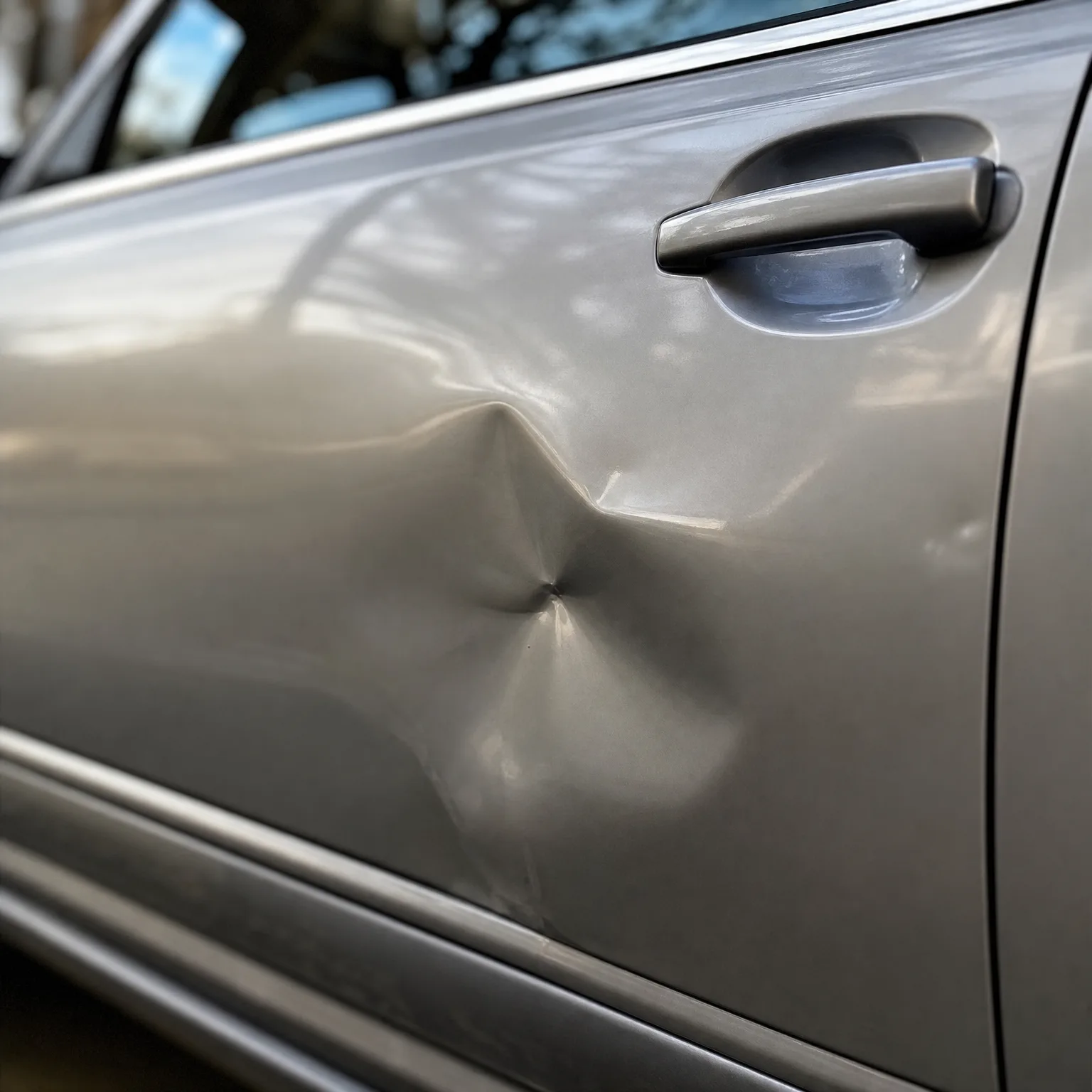
A small parking lot dent that could have gone either way
You back out of a tight spot and clip a concrete post, leaving a dent and a scrape on the rear bumper. Nothing else seems wrong, the car drives fine, and there's no warning light. Instead of filing right away, you take it to a body shop for an estimate, and they quote a modest repair cost with no structural concerns, though they mention the bumper has a sensor that would need recalibration if it were ever removed.
You call your insurer with the estimate and ask how a claim that size would affect your rate given your short driving history. They tell you a claim like this would likely raise your premium at renewal, and that the increase would cost more over the next couple of years than the repair itself. You decide to pay for it yourself, keep the photos and estimate on file, and your record stays clean going into your first renewal, which matters since you're still early in establishing your history as a driver.