
What Is the Best Time to Buy a Used Car
The best time to buy is when dealer inventory is highest and you already know what insuring that car will cost you.
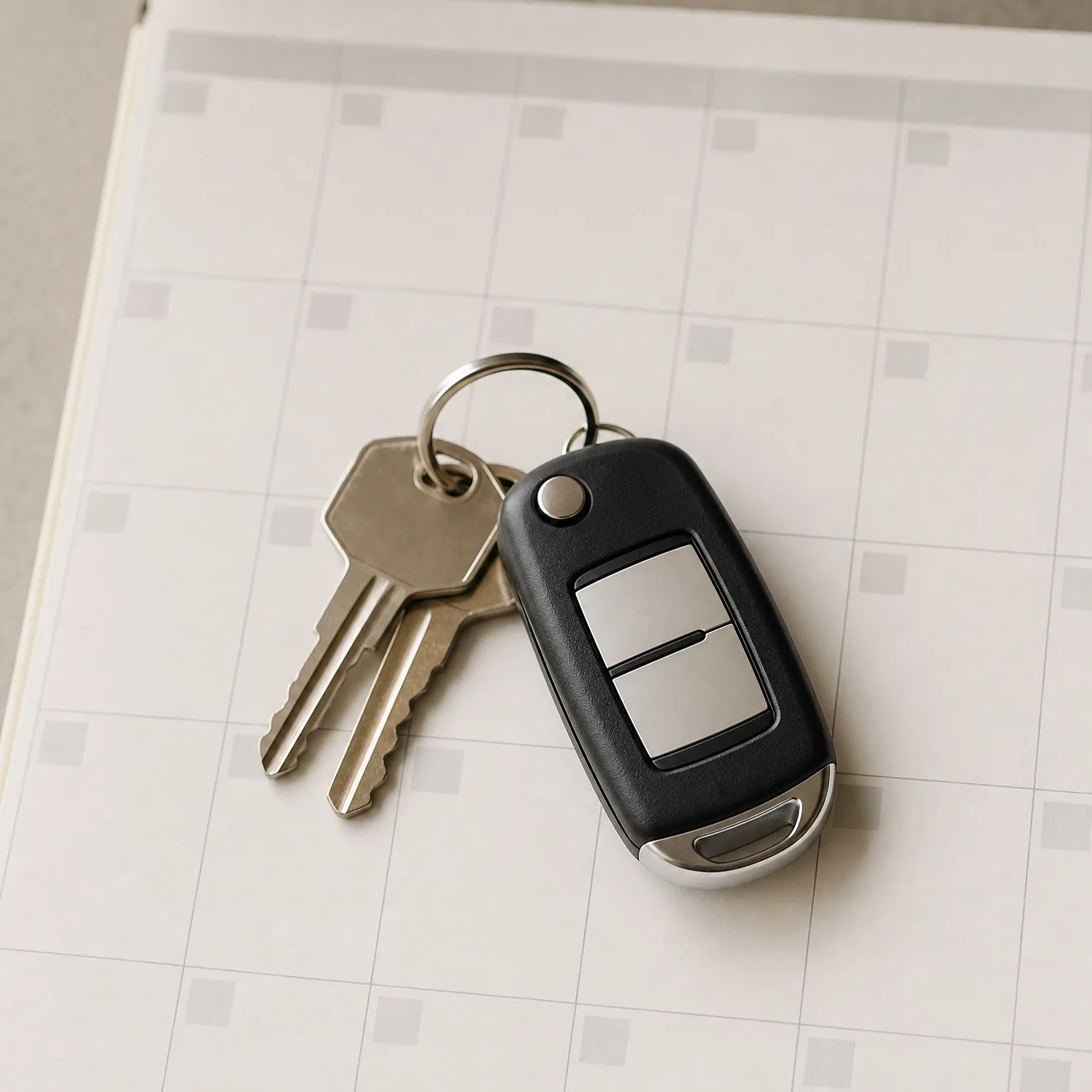
Time the purchase around these shifts, not just the calendar
- End of month Salespeople often need to hit monthly quotas, so prices soften in the last few days of the month. Walk in during that window and negotiate harder than you would mid-month.
- New model releases When new model years arrive, trade-ins flood lots and older used cars get discounted to move. Shop right after new releases land to catch that price drop.
- Insurance quote first Get an insurance quote on the exact car before you commit to buying it. Some models cost noticeably more to insure, and that number should factor into which car you actually choose.
- Season matters too Convertibles and trucks often cost less in winter, while sedans can be cheaper in slow seasons too. Check what's in demand locally before you buy, since it shifts price more than you'd expect.
- Your own readiness Buying earlier than you need to, out of pressure, costs you negotiating power. Wait until you've compared a few cars and a few insurance quotes side by side before deciding.
Waiting three weeks to buy the same car for less
You found a used sedan you liked in the middle of the month, priced a bit above what you wanted to pay. Instead of buying right away, you got an insurance quote on it so you'd know your full monthly cost, and you kept watching the listing. You noticed the dealer still had it near the end of the month, so you went back and mentioned you were ready to buy that week.
The salesperson came down on price without much pushback, since the month was closing and the car hadn't moved. You already knew your insurance cost going in, so you could see the real total before signing anything, not just the sticker price. The car itself didn't change, only the timing did. That gap between what you almost paid and what you ended up paying came from waiting a few weeks and asking at the right moment, not from finding a different car.
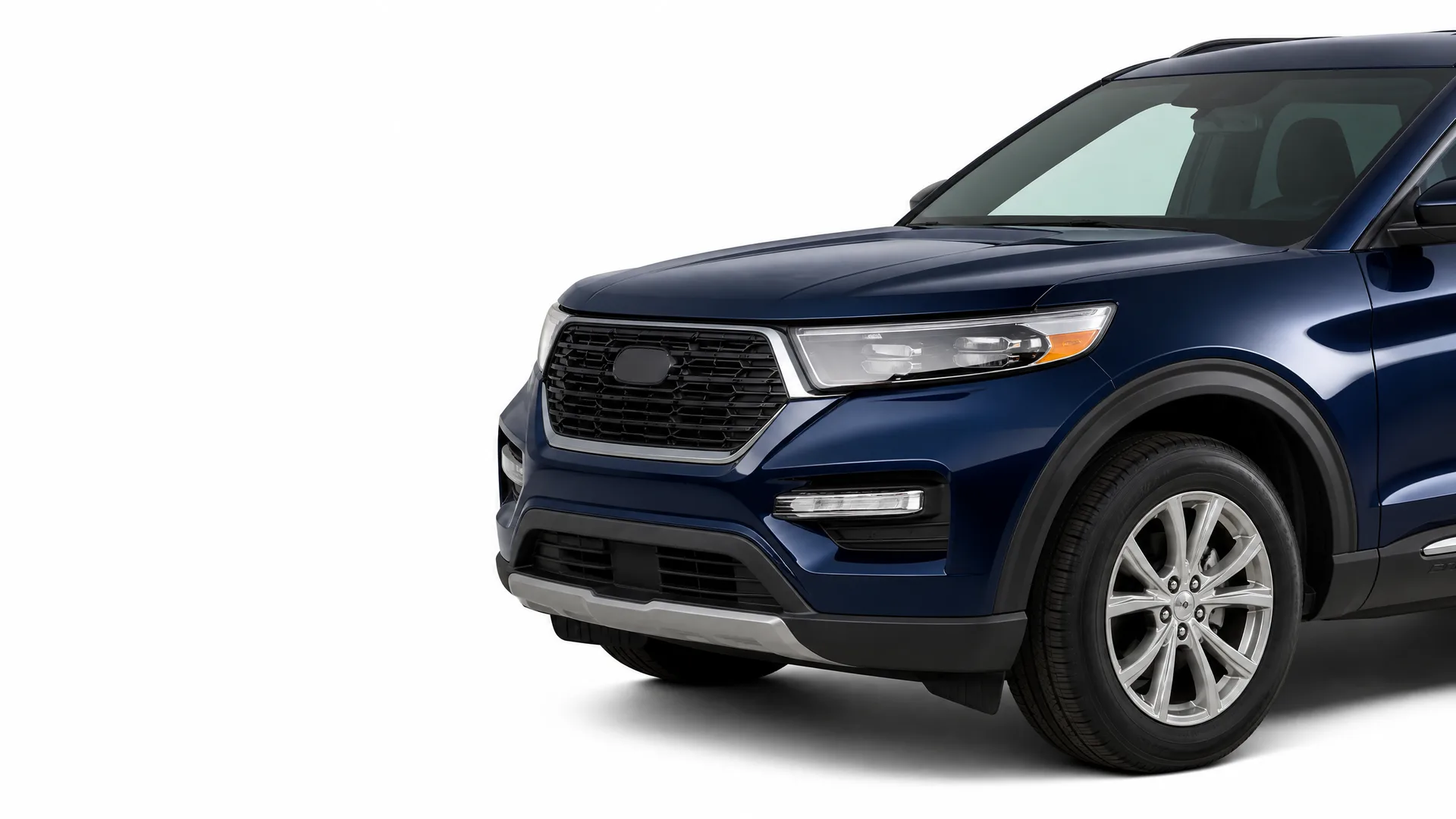
The car's price is only half the decision. What it costs to insure is the other half, and it changes by model.
Once you've picked a timing window and a car, compare insurance quotes on it before you sign anything.

Should you wait for a better buying window
If you do
You get more negotiating leverage because the dealer has a reason to move the car. You can compare a few insurance quotes across different cars first, so the total monthly cost, not just the price tag, drives your decision. You walk in ready instead of reacting to pressure.
If you don't
You might pay closer to full price if you buy mid-month or right when new inventory arrives, since the dealer has less reason to negotiate. You could also commit to a car before realizing it costs more to insure than a similar one, a bigger bill later.
Why timing moves the price more than haggling does
Dealers work on monthly and sometimes quarterly targets set by the people above them, not just by what feels fair to negotiate in the moment. When they're short of a target near the end of a period, they have real pressure to move inventory, and that pressure becomes your leverage. Earlier in the cycle, that pressure doesn't exist yet, so the same car at the same lot can cost more simply because of which week you walked in.
New model year releases work the same way from a different angle. When new versions arrive, older used inventory becomes less attractive to display, so lots want it gone to make room and to avoid holding depreciating stock. That timing has nothing to do with the car's condition or value to you, it's purely about what the dealer wants off the lot.
Insurance timing works differently because it's not cyclical, it's tied to the specific car. Rates depend on things like repair cost, safety record and theft rates for that model, which don't shift with the season or the calendar. That's why getting a quote before you buy matters regardless of when you buy, since two similar-looking cars can carry very different insurance costs for reasons that have nothing to do with price tag or timing.
Where this plays out differently is in markets with low inventory or high demand for a specific type of car. In those cases, even end-of-month or post-release timing won't create much flexibility, because the dealer doesn't need to move that particular car. Check how long a specific listing has sat before assuming timing alone will get you a better deal.
Does the day of the week matter when buying a used car?
Not as much as the time of month does, but weekdays can help because showrooms are quieter and salespeople have more time to negotiate seriously. Weekends bring more foot traffic and less flexibility per customer. If you want focused attention and more room to talk numbers, a weekday visit works better than a weekend one.
Should I buy a used car before or after getting insurance quotes?
Get the quote before you commit to buying. Insurance cost varies by model for reasons unrelated to the car's price, so two cars that cost the same to buy can cost very differently to insure. Getting the quote first lets you compare total cost, not just the sticker price, and avoid a surprise once you're already locked into the purchase.
Is it cheaper to buy a used car from a private seller or a dealer?
It depends on the car and the seller, not a fixed rule either way. Private sellers sometimes price lower because they skip dealer overhead, but dealers may offer more room to negotiate near the end of a sales period. Check the car's condition and history carefully either way, since private sales usually come with fewer protections if something's wrong.