What Is the Easiest Car to Learn to Drive
The easiest car to learn on is a smaller, older automatic with good visibility, forgiving to drive and cheap to insure.

What makes a car forgiving for a new adult driver
- Automatic transmission You only have to think about steering, mirrors and speed, not a clutch. Choose automatic for your first car unless you already have a reason not to.
- Smaller size A compact car is easier to judge in tight spaces like parking lots and narrow streets. Avoid large trucks or SUVs until you've built some confidence.
- Good all-round visibility Low hoods and big windows make it easier to see what's around you and judge distance. Look for this when test-driving, not just the badge or style.
- Lower-value, older model A modest car costs less to insure and less to repair if you make a mistake. Save the newer or flashier car for after you've built a driving record.
- Fewer gadgets and screens A simple dashboard means fewer things pulling your attention while you're still learning the basics. Pick the plainer trim, not the one loaded with extras.
Will the car I pick affect my insurance price as a new adult driver?
Yes, and often more than people expect. Insurers price the car and the driver together, so a smaller, lower-value, commonly driven car tends to cost less to insure than something powerful, expensive or rare, especially while you have no driving history yet to offset that.
This matters more for you than for an experienced driver, because without a record the insurer leans harder on the vehicle itself to judge risk. A modest, easy to repair car signals lower risk and lower cost if something goes wrong.
Once you've built a few years of driving history, the car matters less relative to your own record. But right now, while that record doesn't exist yet, choosing a simple, practical car is one of the few levers you can actually pull.

Once you know the kind of car that fits your learning stage, compare quotes to see what it actually costs to insure.
Why the car you learn in changes what insurance sees
Insurance pricing works by estimating risk, and risk comes from two things combined, the driver and the car. When a driver has no history, which is your situation even though you're an adult, the insurer can't lean on years of claims-free driving to judge you favorably. So they lean harder on the other half of the equation, the vehicle itself.
A car that's simple to handle lowers the chance you'll be in a situation you can't manage yet. A car that's cheap to fix lowers the cost if you do make a mistake, and new drivers of any age statistically make more small mistakes early on. This is not a judgment of your ability, it's just math based on averages across everyone who's new behind the wheel.
This is also why the car matters less over time. As you accumulate a driving record with no or few claims, that record starts to carry more weight than the vehicle does. The car you learn in is a temporary lever, not a permanent one, which is exactly why it makes sense to keep it modest now rather than later.
Where this varies is by insurer and by state. Some insurers weigh vehicle type more heavily than others, and some states regulate how much weight can be placed on certain rating factors. Check with a few insurers directly, or compare quotes across the same car, to see how much the vehicle itself is actually moving your price.
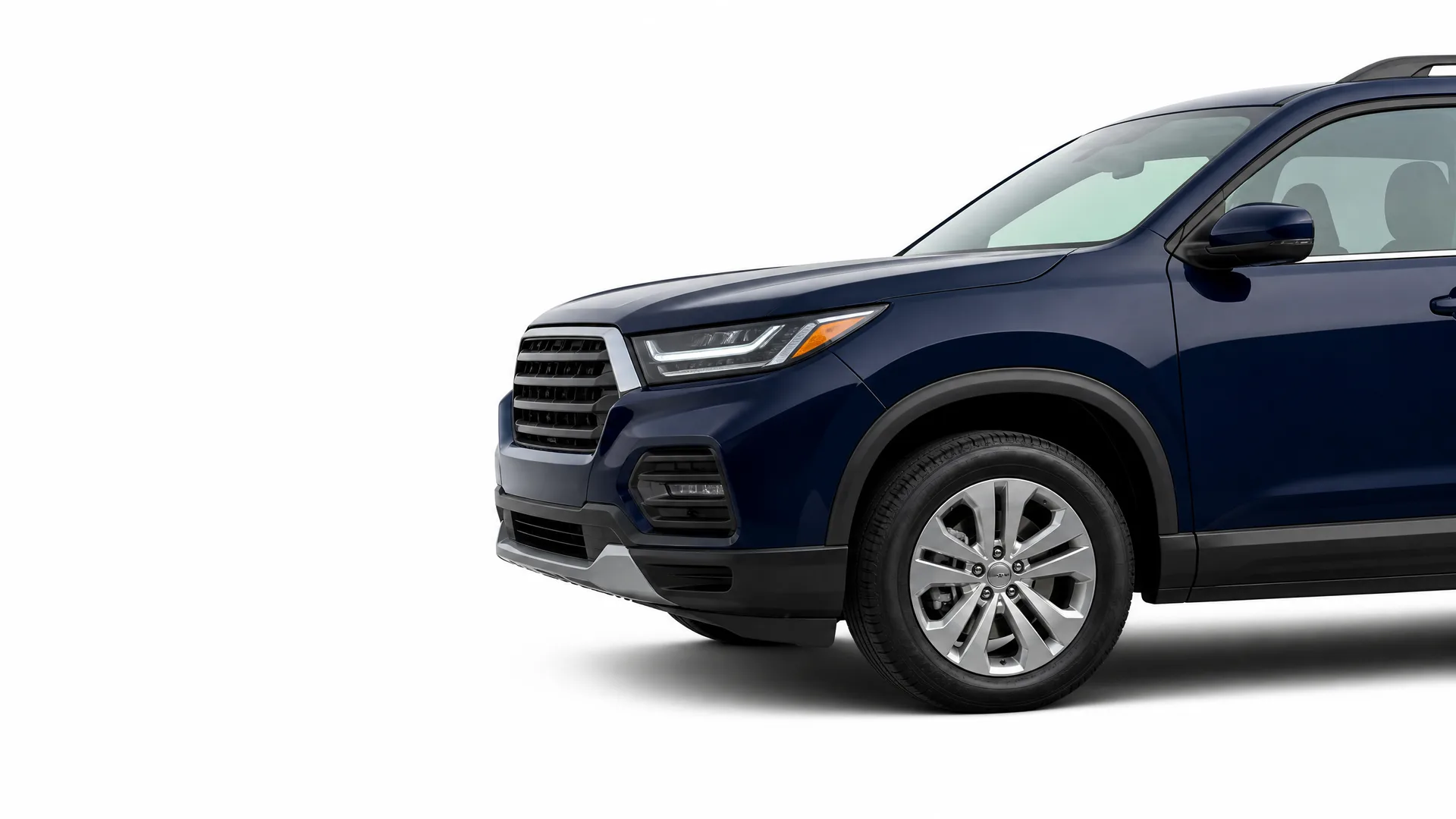
The car you learn in is one of the few things actively shaping your insurance price right now.
Should I learn to drive in my own car or borrow someone else's?
Use whichever car you'll actually be insured and licensed to drive regularly, since insurance and practice should line up with the car you'll keep driving. Borrowing a car to practice in is fine occasionally, but check that you're a listed or permitted driver on that policy first. If you're buying your own car soon anyway, it often makes sense to learn in it directly, so your practice and your future daily driving match.
Do I need my own insurance policy to practice driving as an adult beginner?
It depends on whose car you're driving and what that policy allows, so check the policy before you practice. If you're driving a family member's or friend's car, you may be covered as a permitted or occasional driver without your own policy yet. If you're driving your own car, you'll need your own policy in place before you drive it, even while learning. Rules on permitted drivers vary by insurer and state, so confirm directly rather than assuming.
How long does it take to get lower insurance rates as a new adult driver?
It depends mainly on building a clean driving record over time, not on your age. Insurers reward sustained time without claims or violations, and that clock starts once you're licensed and driving regularly. There's no fixed timeline that applies everywhere, since insurers and states weigh driving history differently. Ask any insurer you're considering how they treat new drivers over time, so you know what to expect as your record grows.