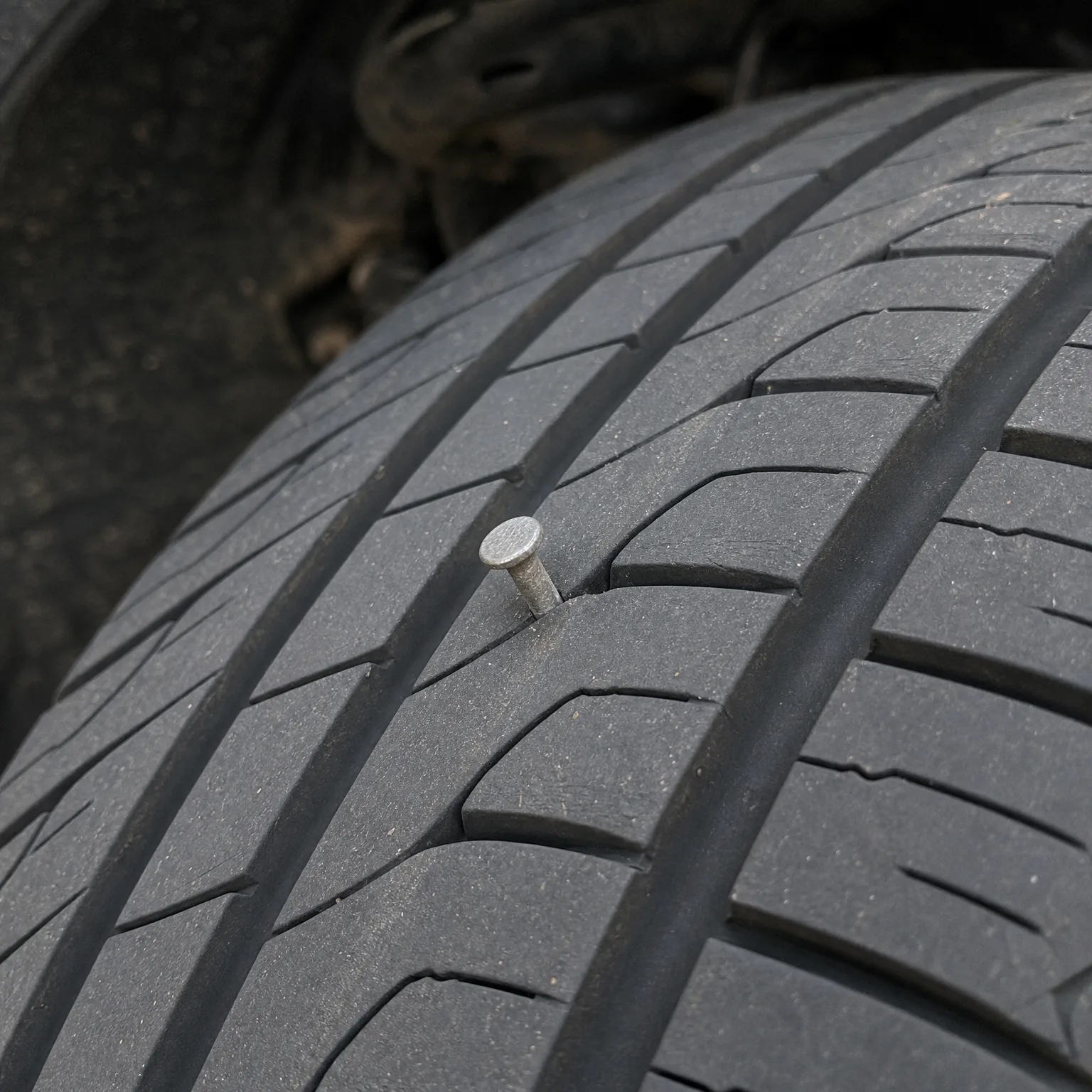
What Is the Main Disadvantage of a High Deductible
The main disadvantage is paying more out of pocket before coverage kicks in, right when you're still new and most likely to need it.
A high deductible trades a lower bill now for more risk later
A deductible is the amount you pay first when you file a claim, before your insurer pays anything. A high deductible lowers your premium because you're agreeing to absorb more of the cost yourself if something happens. That trade works out well if you don't file claims. It works out badly if you do.
For someone new to driving, this matters more than the price tag suggests. You don't have years of experience to lean on yet, so small mistakes like a parking lot scrape or a misjudged turn are more likely to happen in your first couple of years behind the wheel. Each one of those moments is a chance you'll need to pay that deductible, possibly more than once.
The other piece people miss is that the deductible applies per claim, not per year. If you have two incidents, you pay the deductible twice. So the real disadvantage isn't the number itself, it's that a high deductible assumes a steady, low-risk driving pattern you haven't had the chance to prove yet.
This changes once you've built a few years of clean driving history. At that point your odds of needing to file a claim drop, and a high deductible starts working in your favor instead of against you. Check how your insurer structures per-claim deductibles, since this detail can vary.
A new driver picks a high deductible to save money each month
A driver who just got licensed later in life bought a used car and chose a high deductible because the quote was noticeably cheaper. Not long after, backing out of a tight space, they clipped a parked car. The repair cost came in only slightly above the deductible amount, which meant paying almost the entire repair out of pocket just to avoid a claim on their new record.
Looking back, they realized the savings from the higher deductible hadn't added up to much yet, since they'd only had the policy a short while. If the same thing happened to someone with years of clean driving behind them, the math might have worked out fine. For a driver this new, the savings didn't offset the risk of an early, likely mistake. They switched to a lower deductible at renewal once they understood how the two interact with a thin driving history.

Now that you know how a high deductible interacts with a new driving record, compare quotes at a deductible that fits.
Should a new driver avoid high deductible policies entirely?
Not entirely, but you should weigh it against how likely you are to file a claim while you're still new. If money is tight and you can genuinely cover the deductible without strain, a high deductible can still make sense, especially on an older or lower-value car where a claim is less likely to be worth filing anyway.
The bigger issue is picking a deductible you can't actually afford to pay. If covering it would be a real hardship, that's the signal to choose a lower deductible even though the premium is higher, because the point of insurance is protection you can actually use when you need it.

A high deductible only pays off if you can afford to pay it, not just afford the lower premium.
What deductible amount is normal for a first time driver?
There's no single normal amount, since it depends on your state, insurer, and the value of your car. What matters more is matching the deductible to what you could pay out of pocket without strain. Ask your insurer to show you quotes at a few different deductible levels side by side, so you can see the actual price difference rather than guessing.
Does a high deductible affect my rates after a claim?
Yes, filing a claim can affect your future rates regardless of your deductible, and the deductible itself doesn't protect your record. What protects you is avoiding claims in the first place. Check whether your state or insurer offers any forgiveness for a first claim, since this varies and can soften the impact if something does happen.
Can I change my deductible after I build a driving history?
Yes, you can typically adjust your deductible at renewal or anytime you contact your insurer, and many new drivers do this once they have a clean stretch of driving behind them. Ask your insurer when changes take effect and whether adjusting it affects your premium immediately or only at the next renewal cycle.